
Hunting Apparel 101: How to Layer for North Carolina's Early-Season Heat and Late-Season Cold

The right hunting apparel does more than match the terrain. It manages sweat during a humid morning, blocks wind during a long sit, protects you from brush, and helps you stay focused when the temperature refuses to pick one setting.
That matters across North Carolina. Early-season hunts can feel hot and sticky before sunrise, while late-season mornings can bring sharp cold, damp ground, and biting wind. One heavy jacket will not handle both conditions well. A flexible layering system will.
The basic formula stays simple:
- Base layer: Moves moisture away from your skin.
- Mid layer: Adds insulation when temperatures drop.
- Outer layer: Blocks wind, rain, and brush.
Build those three layers correctly, then round out the system with proper footwear, scent-control habits, gloves, headwear, and a smart pack. You will hunt longer and make fewer uncomfortable gear compromises.
Start With the Base Layer
Your base layer sits next to your skin, so it controls comfort more than any other part of your clothing system. Choose moisture-wicking synthetic fabric or merino wool. Avoid cotton when possible. Cotton absorbs sweat, dries slowly, and can leave you cold once you stop moving.
For early-season hunts, choose a lightweight short-sleeve or long-sleeve base layer. A long-sleeve option gives you more protection from sun, insects, and light brush without adding much heat. Look for flat seams, breathable fabric, and a fit that stays close to your body without restricting movement.
A lightweight base layer also works well under a mid layer during the transition into colder weather. You do not need a completely different wardrobe for every month. You need pieces that work together.

For late-season hunts, step up to a midweight merino or synthetic base layer. Long underwear for your legs matters just as much as a warm top, especially when you sit for long periods. Keep the fit comfortable. If the base layer feels tight under your next layer, you will limit movement and compress some of its insulating ability.
Add a Mid Layer for Insulation
The mid layer traps warm air and gives you the flexibility to adjust throughout the day. Fleece, wool, insulated vests, and lightweight puffy jackets all work well.
For early-season use, choose a thin fleece or light quarter-zip. You may wear it during a cool walk in, then remove it once the sun rises. A vest can add core warmth without overheating your arms, which makes it useful for active hunts.
Late-season hunts call for more insulation. A thicker fleece, wool layer, or packable puffy jacket can make a major difference during a stationary sit. Keep your mid layer accessible in your pack if you hike in wearing less insulation. Starting slightly cool helps prevent sweat from soaking your base layer before the hunt begins.
Here is the key distinction: dress for the activity you are doing, not just the forecast. Walking and climbing generate heat. Sitting still removes it quickly. Your clothing system must handle both.
Use the Outer Layer as Your Shield
Your outer layer protects the rest of your hunting apparel from wind, rain, and vegetation. For early season, prioritize lightweight, breathable materials with ventilation zippers or mesh panels. A packable rain shell can also serve as a windbreaker when conditions change.
For late season, select an outer layer with stronger wind protection and enough room to fit over your base and mid layers. If you hunt from a stand or blind, an insulated jacket or bib system can provide welcome warmth. If you move frequently, choose a breathable softshell instead of a bulky parka.
Pay close attention to noise. A shell that sounds like a grocery bag every time you turn your shoulders will quickly become the least popular item in your hunting gear collection. Test zippers, fabric movement, and pocket access before relying on a jacket in the field.
Your outer layer should also handle the terrain. Durable ripstop fabric helps when you push through briars, rough timber, and thick cover. Lightweight does not have to mean fragile.
Manage Scent Without Creating New Problems
Scent control starts with clean habits, not a magic spray. Wash hunting clothing with unscented detergent, store it away from household odors, and avoid wearing it while fueling a vehicle or working around strong-smelling products.
During early season, breathable fabric helps control sweat, which also helps manage odor. Carrying a spare lightweight shirt can make sense on especially hot days. Change before a long sit if your first layer becomes soaked.
Keep your outer layer sealed in a pack until you reach the hunting area when practical. Also pay attention to your pack, hat, gloves, and footwear. Those items often collect odors while the main clothing stays clean.
Scent control never replaces wind awareness, careful movement, or good hunting strategy. It supports those habits.
Choose Footwear and Socks Together
Your boots should match the ground, weather, and amount of walking you expect. Early-season hunts often favor uninsulated or lightly insulated boots with good breathability. Waterproofing helps around wet grass and shallow water, but excessive insulation can make your feet sweat.
Late-season hunts may require insulated boots, especially when you expect long sits or freezing temperatures. Do not choose insulation based only on the lowest forecasted temperature. Consider your activity level. A heavily insulated boot can feel miserable during a long hike.
Socks deserve equal attention. Merino wool and synthetic blends manage moisture better than cotton and continue to provide warmth when slightly damp. Carry an extra pair in a waterproof bag. Few pieces of hunting gear weigh less or improve comfort more.
Make sure your boots fit with the socks you plan to wear. Trying on boots with thin store socks tells you very little about field comfort.

Keep Your Hands and Head Ready for Changes
Your head and hands lose comfort quickly when conditions shift. For early season, use a breathable cap or lightweight sun hat. A neck gaiter can provide sun and insect protection without the heat of a heavy hood.
For late season, pack a warm beanie or fleece-lined hat. Choose headwear that fits comfortably beneath any required blaze-orange hat or outer garment. Avoid excessive bulk that affects hearing, visibility, or the fit of your other equipment.
Glove liners help you maintain dexterity while adding light insulation. For colder hunts, carry a warmer outer glove or mitten that you can put on during a long sit. If you use a bow, firearm, or other equipment, confirm that your gloves allow safe, controlled operation before you head out.
Your hands should stay warm, but they also need to work. A glove that turns every adjustment into a wrestling match belongs in the truck, not on the hunt.
Follow Current Blaze Orange Requirements
Blaze orange requirements depend on the season, species, location, and method of take. Do not assume that last year’s clothing setup automatically meets this year’s rules.
Before each hunt, review the current North Carolina Wildlife Resources Commission hunting regulations, including season dates and blaze orange requirements for your specific hunt. Confirm the rules for the game land or property you plan to use.
Even when a particular hunt does not require blaze orange, wearing visible orange while traveling near active firearm hunting areas adds a valuable safety margin. A blaze-orange cap, vest, or outer layer can also make you easier for other hunters to identify.
Treat visibility as part of your hunting gear system, not as an afterthought.
Pack for Temperature Swings
A good hunting pack gives you options. Pack the pieces you may need but do not want to wear during the walk in.
Your temperature-swing checklist should include:
- Lightweight rain shell or windbreaker
- Spare moisture-wicking shirt
- Packable fleece, vest, or puffy layer
- Extra merino or synthetic socks
- Lightweight gloves and a warmer backup pair
- Beanie or neck gaiter
- Water and a compact way to carry it
- Energy-dense snacks
- Small towel for sweat
- Hand warmers for late-season sits
- Waterproof bag for wet clothing
- Basic first-aid supplies
- Headlamp with spare batteries
- Navigation and communication equipment
- Required blaze-orange clothing
Use pockets and compartments deliberately. Keep frequently used items accessible without unpacking everything. Your pack should support your hunt, not become a portable junk drawer.
You can browse Iron Valor Armory’s shop for hunting gear, optics, accessories, and other equipment to complement your apparel system.

A Simple Seasonal Setup
For a hot early-season hunt, start with a lightweight moisture-wicking shirt, breathable hunting pants, thin socks, uninsulated boots, and a packable shell. Add lightweight gloves or a face covering when insects and brush make them useful. Carry water and avoid overdressing for the walk in.
For a cold late-season sit, use a midweight base layer, fleece or puffy insulation, a wind-blocking outer layer, warm socks, insulated boots, gloves, and a beanie. Keep hand warmers and an extra layer in your pack. If you sweat during the walk in, remove a layer early and put it back on once you settle into position.
That simple adjustment can determine whether you spend the final hour watching the woods or thinking about how quickly you can get back to the truck.
Local Hunting Gear Support Near Rocky Mount, NC
Iron Valor Armory serves hunters and outdoor sports enthusiasts centered in Rocky Mount, NC, with service areas including Wilson, Tarboro, Greenville, Roanoke Rapids, Henderson, Goldsboro, Elm City, Sharpsburg, Bailey, Middlesex, Wake Forest, Clayton, Smithfield, Kinston, Knightdale, Rolesville, and Youngsville. Visit the Iron Valor Armory shop to review available hunting gear and technical accessories.
Build the System Before Opening Day
The best hunting apparel system gives you control. You can remove a layer when the morning warms up, add insulation when the wind rises, and protect yourself from rain without carrying an oversized coat all day.
Start with moisture management. Add insulation based on your activity level. Finish with weather protection, safe visibility, and footwear that matches the terrain. Then test everything before the season begins.
Walk in wearing the setup. Sit still in it. Adjust pockets, gloves, zippers, and pack straps. Your gear should feel familiar before the first serious hunt begins.
Check the latest North Carolina regulations, plan for changing weather, and build your system around the conditions you will actually face. Comfortable hunters stay alert. Alert hunters make better decisions.
Published by Iron Valor Armory · Rocky Mount, NC 27803
Shop hunting & outdoors →Shop hunting & outdoors in stock
NightWarden
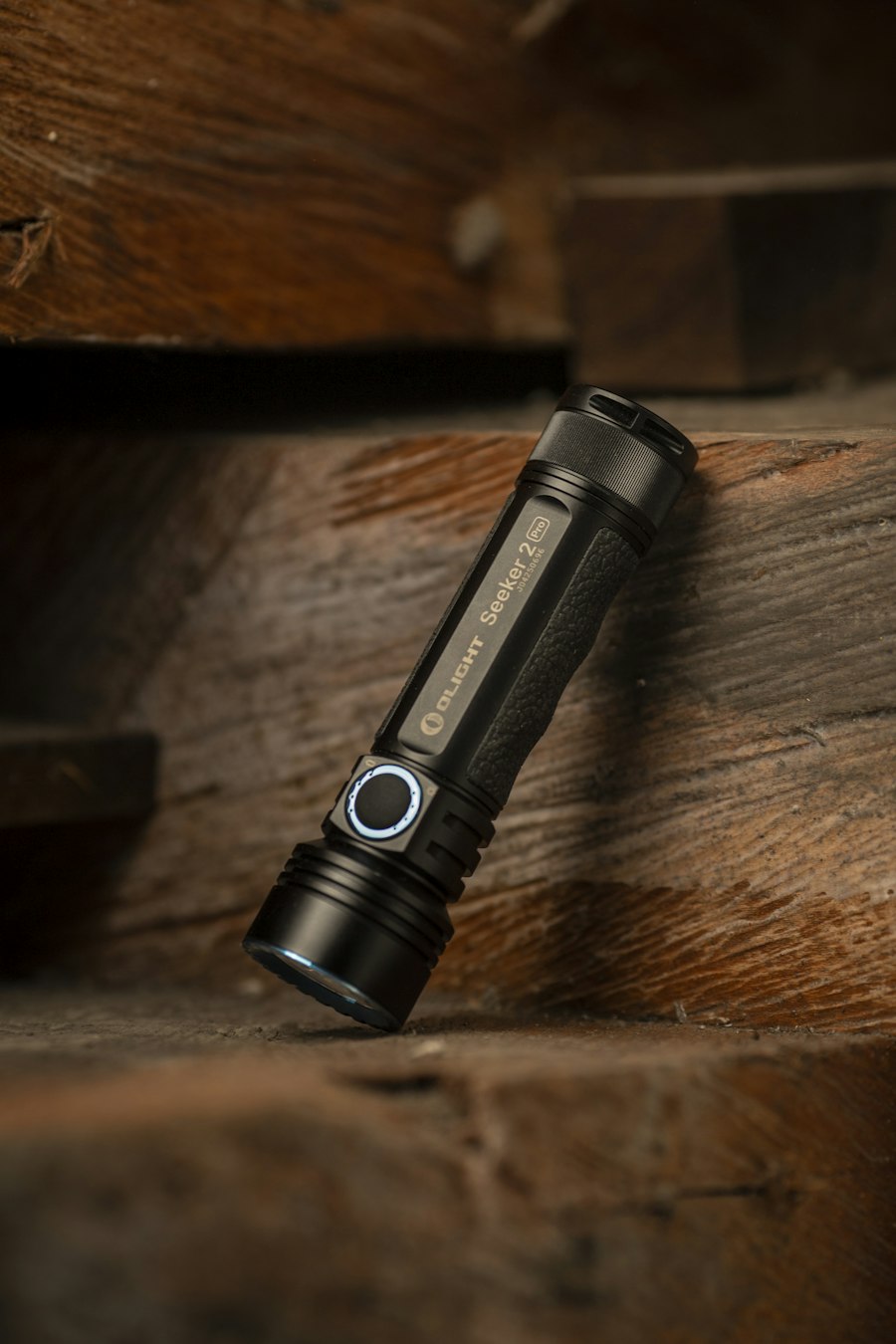
NightWarden 1200 Lumen Tactical Flashlight
$54.99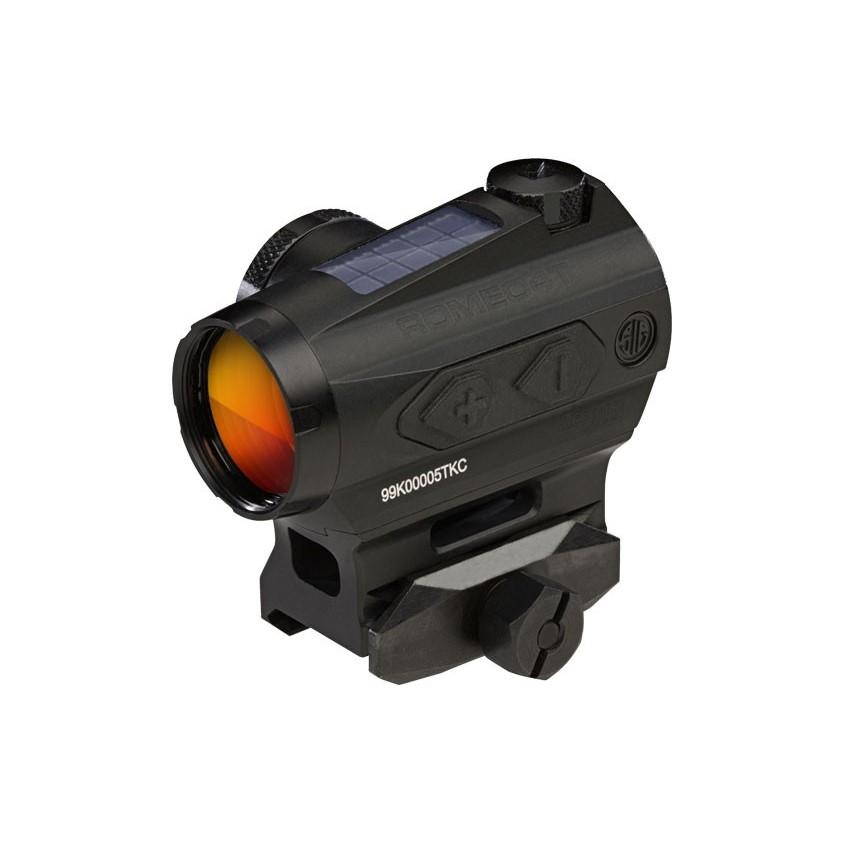
Sig Sauer
Sig Sauer ROMEO4T Tactical Solar Powered 1x20mm Red Dot Sight 2 MOA Red Dot Ballistic Circle Dot Illuminated Black
$529.99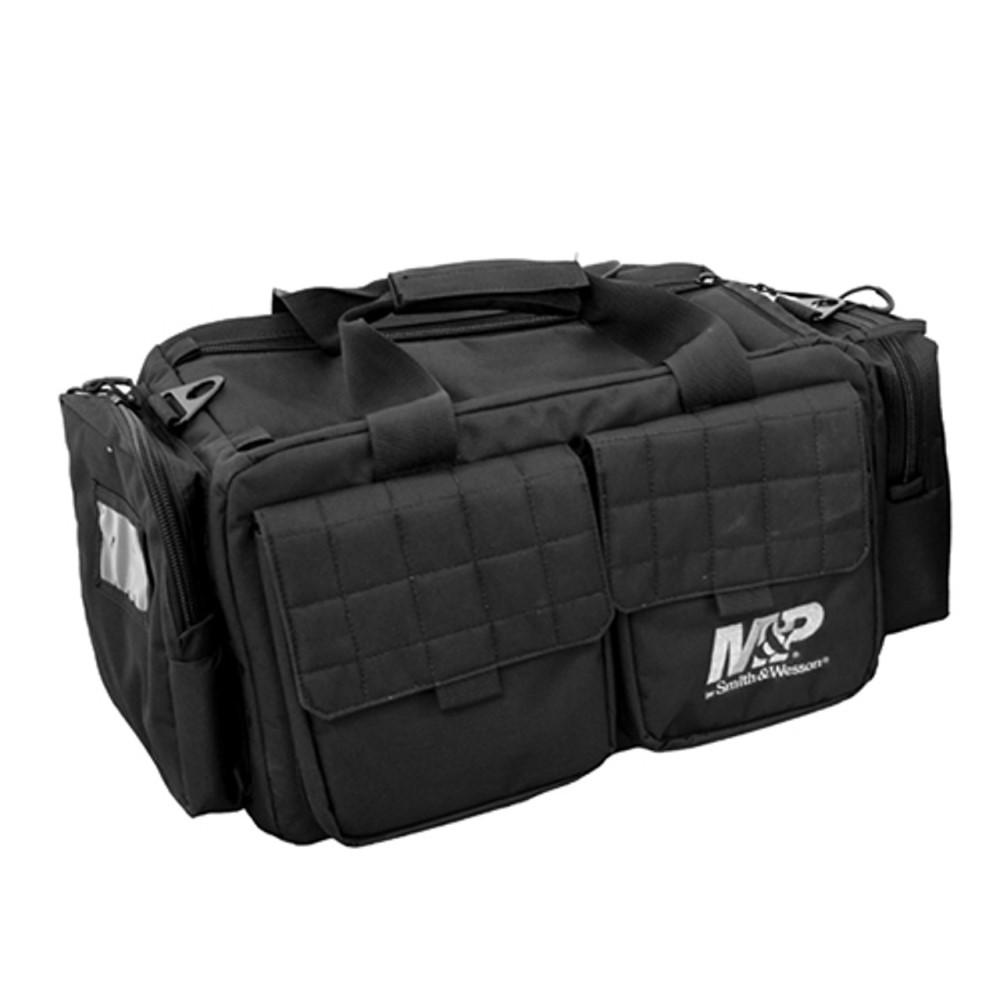
AOB
Battenfeld Technologies M&P Officer Tactical Rangebag Black
$83.94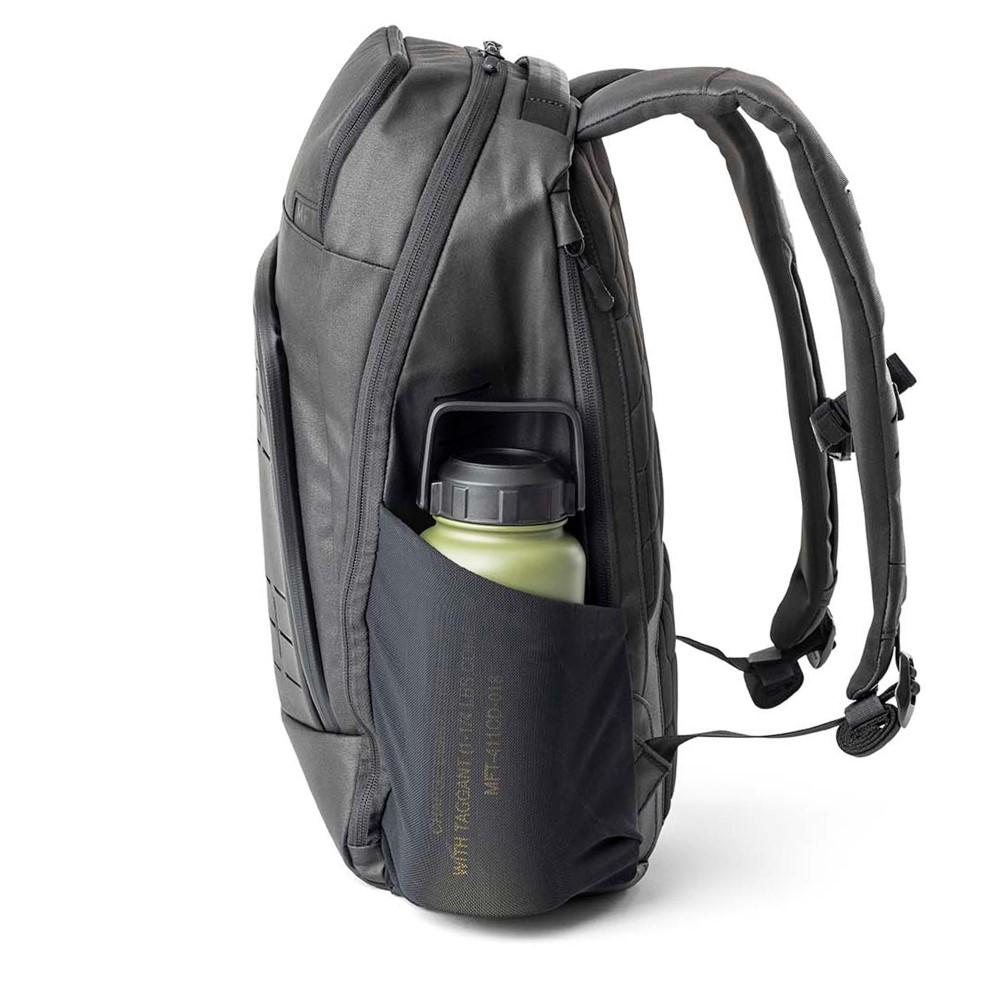
Mission First Tactical
Mission First Tactical ACHRO 22L EDC Backpack Black
$124.99
Related articles
All articles →
lightweight hunting gear
Gear Up for Less: How to Build a Lightweight Hunting Setup That Won't Weigh You Down
Reduce pack weight without sacrificing performance with practical tips for choosing and testing lightweight hunting gear.

hunting season prep
Hunting Season Prep: Your Gear Checklist Before Opening Day
Opening day has a way of exposing every item you forgot. Use this hunting season prep checklist to inspect your firearm or bow, verify optics, pack smarter, and head into the woods ready for opening day.

North Carolina archery season
Archery Season Opens September 12: 5 Things to Check on Your Setup This Week
North Carolina archery season arrives soon. Use this five-step checklist to inspect your bow, arrows, sight, release, practice routine, and field safety before opening morning.