Archery Season Opens September 12: 5 Things to Check on Your Setup This Week

North Carolina’s 2026–2027 general deer archery season is currently listed to open on September 12, 2026. That date gives you very little room for procrastination, which is probably good for all of us.
Before you head to the woods, verify the current dates, deer-zone rules, license requirements, bag limits, and game-land regulations through the North Carolina Wildlife Resources Commission’s hunting regulations and its official 2026–2027 season dates. Regulations can change, and local game lands may carry additional rules. Use the official source rather than relying on an old calendar, social media post, or a hunting buddy’s memory from three seasons ago.
Once your legal checklist is current, work through these five equipment and safety checks.
1. Inspect Your Bow and Strings Before North Carolina Archery Season

Start with the equipment that does the most work: your bow and its strings.
Look closely at the bowstring and cables under bright light. Check for fraying, broken strands, excessive fuzzing, separation around the serving, or areas that look flattened and worn. Pay special attention to contact points near the cams, cable slide, peep sight, and nocking area. Small damage can grow quickly once you start shooting every day.
Inspect the cams, axles, limbs, limb pockets, riser, and screws. You should not see cracks, dents, unusual movement, or loose hardware. Do not try to “shoot through” a questionable component. A bow that looks fine at rest can behave very differently under draw weight.
If your bow has not received professional service recently, schedule a tune-up now. A shop can check timing, cam synchronization, draw weight, draw length, brace height, and overall alignment. Give yourself enough time to shoot after the service so you can confirm that the changes feel natural.
Also check your peep sight and D-loop. A worn D-loop can affect your anchor point and release consistency, while a poorly aligned peep can turn a familiar bow into a frustrating one. Your setup should feel repeatable before you ever step into the woods.
2. Check Arrows, Nocks, Fletching, and Broadheads

Your arrows deserve more than a quick glance before you load the quiver.
Roll each arrow across a flat surface and look for bends, cracks, or wobble. Carefully flex carbon arrows according to the manufacturer’s inspection guidance, then listen and feel for damage. Never shoot an arrow with a crack, splinter, damaged insert, or questionable shaft. Carbon does not always announce a problem politely.
Inspect the vanes or feathers for lifting, tearing, or contact damage. Check each nock for cracks and make sure it fits the bowstring correctly. A loose nock can affect accuracy and safety, while a tight or damaged nock can create its own set of problems.
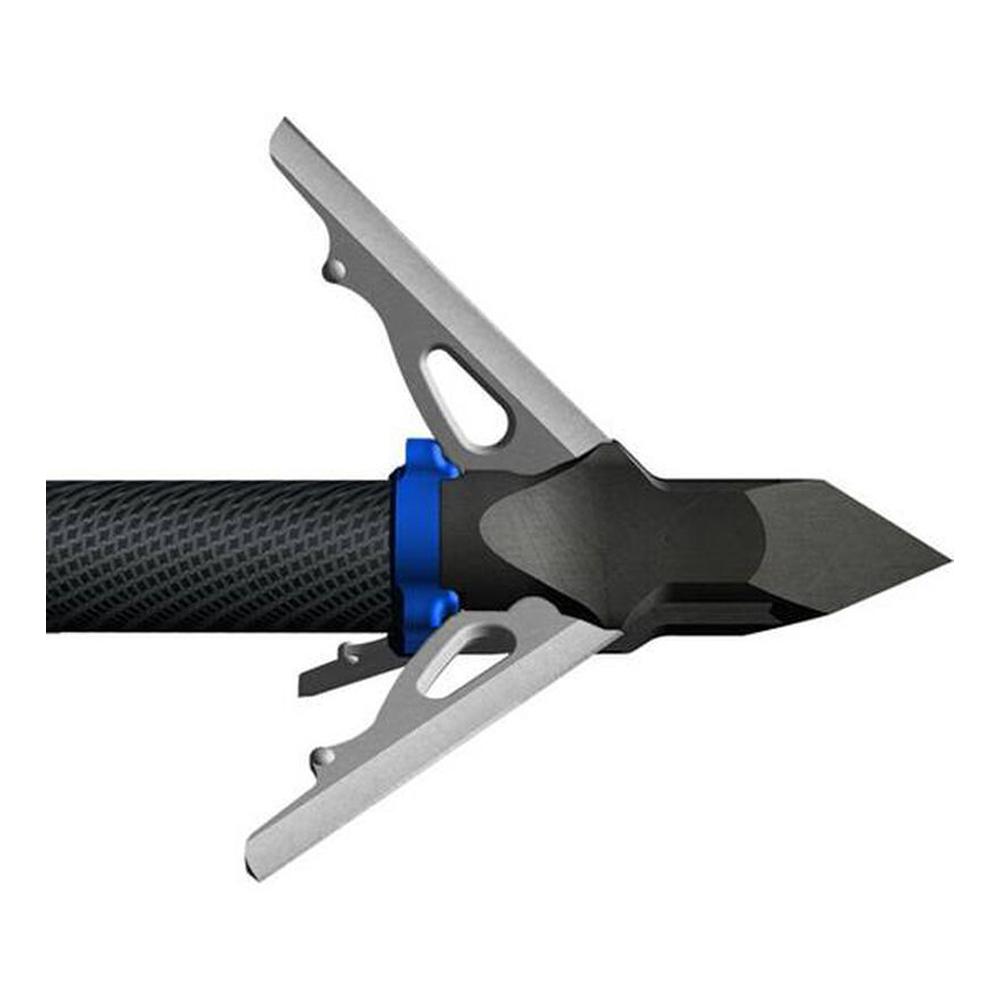
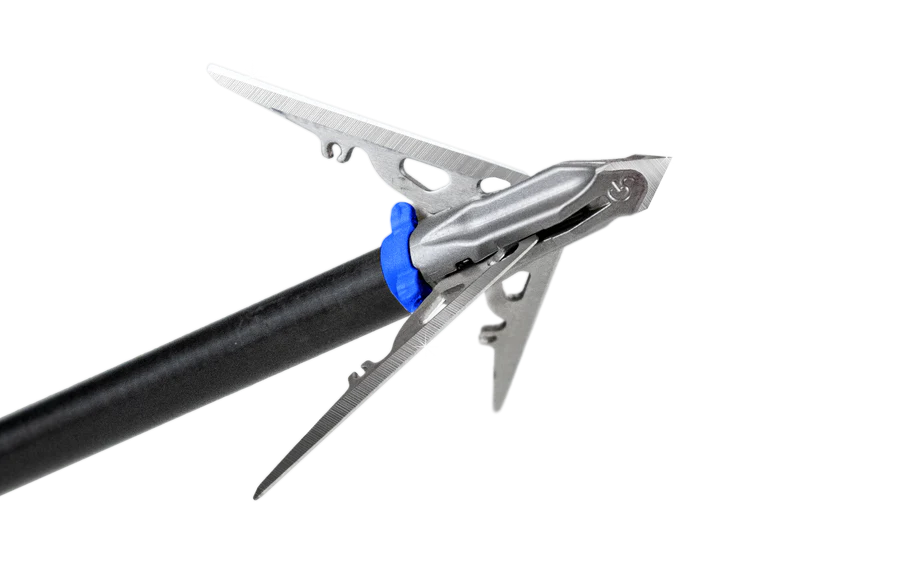
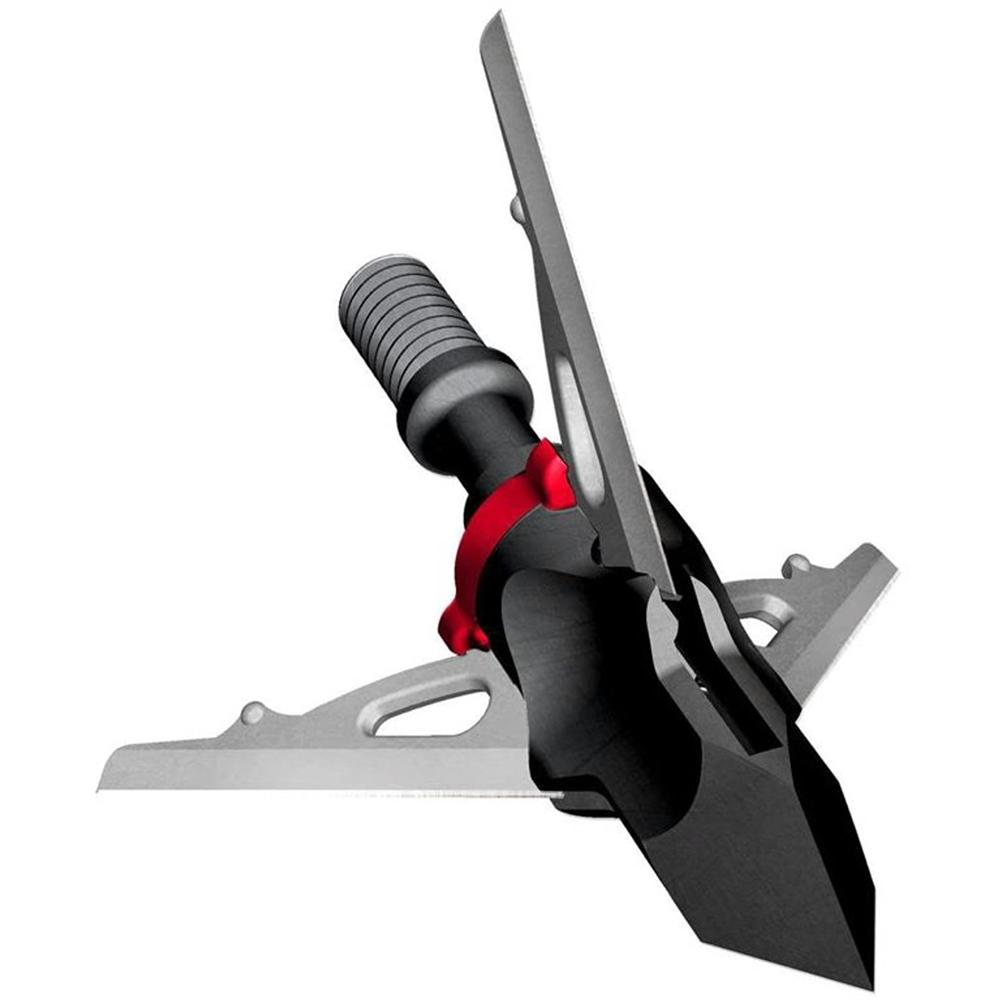
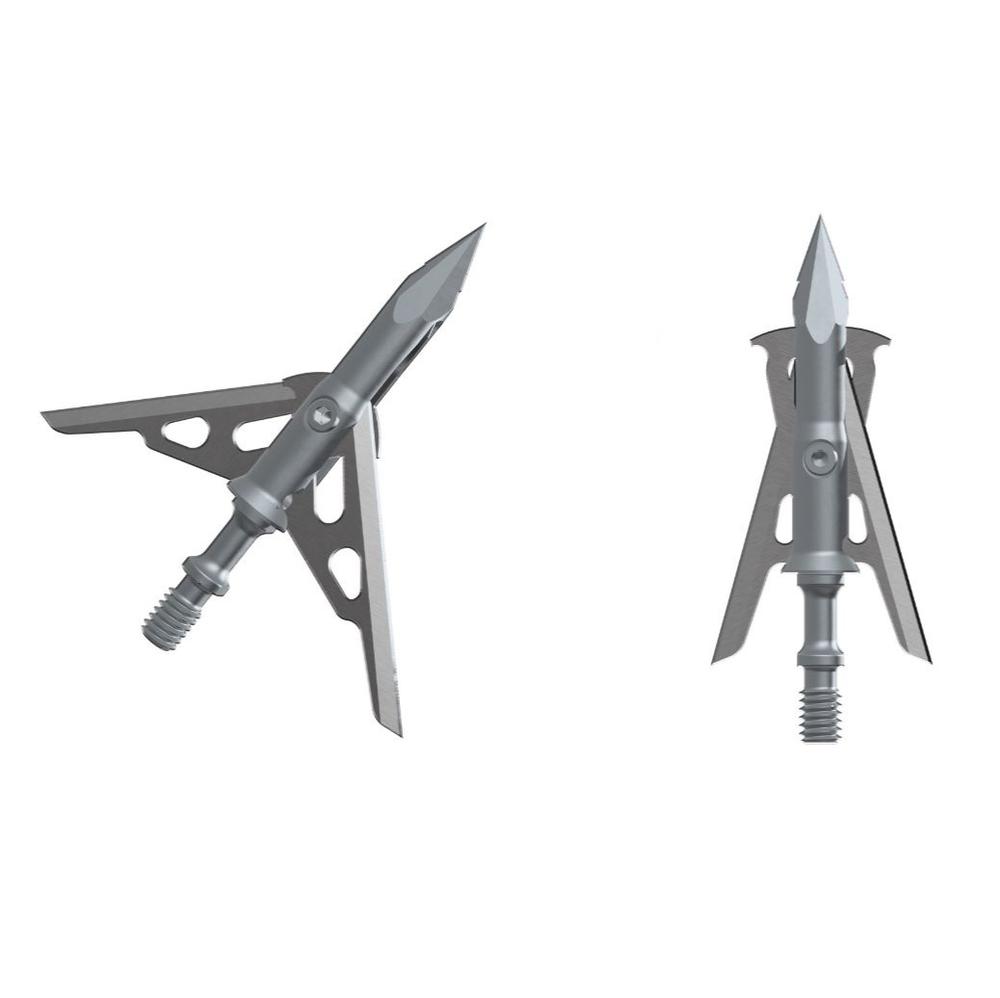
Broadheads require the same attention. Confirm that fixed or mechanical broadheads remain secure, sharp, and compatible with your arrow setup. Check ferrules, blades, retaining components, and practice-head alignment. If a broadhead has rust, a bent blade, a damaged tip, or a loose component, replace it.
Use practice points for routine shooting. Keep hunting broadheads in a protective case until you need to confirm their point of impact. Store them safely away from loose gear, curious fingers, and the bottom of your pack where they can become very expensive pocket confetti.
Finally, confirm that your arrow spine, total weight, and broadhead setup match your bow’s specifications. Consistency matters. Arrows that match each other will give you more predictable groups and make your final sight adjustments much easier.
3. Confirm Your Sight and Rest Are Still Dialed In
Your sight and arrow rest control the relationship between your aiming point and the arrow’s actual path. If either one moved during storage, travel, or last season’s final hunt, your confidence may have moved with it.
Check that the sight housing, pins, scope, mounting screws, and adjustment hardware remain tight. Do not assume “tight enough” means ready for a season. Use the manufacturer’s recommended process and avoid over-tightening small screws.
Inspect the rest for wear and alignment. Look for damaged launcher arms, loose containment components, worn brushes, or signs that the arrow contacts the rest during the shot. Pay attention to clearance around the vanes or feathers. A small contact issue can create inconsistent groups and strange arrow flight.
Shoot at a known distance and watch your arrow flight. Do your arrows leave cleanly? Do they group consistently? Do you see unusual fishtailing or contact marks? If the answer raises questions, stop adjusting randomly and have the bow checked by a qualified technician.
After you confirm the setup, mark your sight settings and record them in your phone or a small notebook. Record the conditions too. A simple note about arrow weight, broadhead type, distance, and sight position can save you from rebuilding your setup later.
4. Test Your Release, Quiver, Stabilizer, and Other Archery Accessories
Your release aid may look simple, but it directly affects your anchor point and trigger control. Inspect the strap, buckle, hook, jaws, trigger, and adjustment screws. A release that slips, binds, or feels inconsistent has no place in your opening-day setup.
Shoot several sessions with the same release you plan to hunt with. Do not practice with one release and carry another into the woods unless you have tested both thoroughly. Small differences in trigger travel or wrist position can change your groups.
Check the quiver for noise, loose hardware, and arrow security. Shake the bow gently and listen for rattles. Then move through realistic positions: standing, kneeling, sitting, and rotating from a tree stand or ground blind. Your equipment should stay secure without announcing your location to every deer in the county.
Inspect your stabilizer, sling, bow case, rangefinder, binocular harness, and pack attachment points. Your broader hunting gear should support quiet movement rather than create extra noise. The same applies to hunting apparel: choose layers that allow a full draw without snagging, excessive bulk, or loud fabric.
If you also prepare a separate rifle or range kit, keep those projects organized independently. Firearm accessories and other tactical gear have their place, but archery equipment should stay focused, quiet, and ready for the specific hunt ahead.
5. Practice Realistic Shots and Review Field Safety

Bench shooting builds confidence. Realistic practice builds usable skill.
Start with short, controlled sessions and confirm your basic form. Then add the conditions you will face during hunting season. Shoot from the distances you can ethically manage. Practice from standing and kneeling positions. Wear the hunting apparel you expect to use so you know whether sleeves, gloves, or layers interfere with your anchor point.
Practice from an elevated platform only when you can do so safely and legally. Rehearse drawing without excessive movement, rotating toward a shooting lane, and holding your position for several seconds. You should know exactly how your body and equipment behave before a deer appears.
Use a safe target with a reliable backstop. Confirm that your arrows cannot travel into roads, buildings, neighboring properties, or areas occupied by people or livestock. Keep broadheads away from targets that cannot stop them safely, and inspect the target regularly for pass-through risk.
Review tree-stand safety before the season begins. Use a full-body harness, stay connected while climbing and descending, inspect straps and platforms, and follow the stand manufacturer’s instructions. Carry a phone, tell someone where you will hunt, and know your access route before daylight makes every tree look like the next tree.
Most importantly, identify your safe shooting lanes before you sit down. Never draw or release unless you have a clear target, a safe arrow path, and a backstop. Confirm the target before every shot. The woods reward patience, not hurried decisions.
Pre-Season Archery Support in Rocky Mount, NC
Iron Valor Armory helps hunters prepare practical, dependable equipment for the season. Rocky Mount, NC serves as our primary local center for customers looking for reliable hunting gear, optics, outdoor equipment, and related shooting-sports products. You can shop Iron Valor Armory to review available gear, or contact us with questions about building a more capable setup.
We also serve hunters and outdoor sports enthusiasts in Wilson, Tarboro, Greenville, Roanoke Rapids, Henderson, Goldsboro, Elm City, Sharpsburg, Bailey, Middlesex, Wake Forest, Clayton, Smithfield, Kinston, Knightdale, Rolesville, and Youngsville.
Final Archery Season Checklist
Before opening morning, confirm that you have:
- A bow with inspected limbs, cams, hardware, strings, and cables
- Arrows with matched spine, secure nocks, clean fletching, and no damage
- Broadheads that remain sharp, secure, and compatible with your setup
- A sight and rest that hold alignment and provide clean arrow clearance
- A tested release, quiet quiver, secure stabilizer, and organized accessories
- Practice experience from realistic positions and distances
- Current licenses, season dates, zone information, and land-specific regulations
- A safe hunt plan, dependable communication method, and tree-stand safety system
The September 12 opening date will arrive quickly. Verify the rules, inspect your equipment, and shoot before you hunt. A few focused sessions this week can prevent a frustrating morning: and help you spend more time watching the woods instead of troubleshooting your bow.
Published by Iron Valor Armory · Rocky Mount, NC 27803
Shop hunting & outdoors →Shop hunting & outdoors in stock
Related articles
All articles →
hunting season prep
Hunting Season Prep: Your Gear Checklist Before Opening Day
Opening day has a way of exposing every item you forgot. Use this hunting season prep checklist to inspect your firearm or bow, verify optics, pack smarter, and head into the woods ready for opening day.

deer hunting
How to Field Dress a Deer: A Step-by-Step Guide for North Carolina Hunters
A practical, step-by-step guide to preparing your work area, handling a harvested deer carefully, making controlled cuts, and following North Carolina harvest-reporting requirements.

deer hunting
Deer Hunting With a Shotgun in North Carolina: Slugs, Buckshot, and Effective Range
Compare slugs and buckshot for North Carolina deer hunting, set a range based on your own tested pattern or group, and make safety and local rules part of every hunt.