7 Mistakes You're Making with Your AR-15 (and How to Fix Them Before Opening Day)

Opening day has a way of exposing every shortcut you took during the off-season.
That loose optic mount? It suddenly matters. The magazine you never tested? It becomes your biggest concern. The ammunition you changed at the last minute? It may print differently than your old load.
Your AR-15 can serve as dependable hunting equipment, but reliability starts before you reach the range or the woods. Use this checklist to correct seven common preparation mistakes while you still have time.
Always follow your firearm and accessory manufacturers’ instructions. Keep the firearm pointed in a safe direction, keep your finger outside the trigger guard until you have made the decision to fire, and confirm the firearm remains unloaded whenever you inspect or handle it for maintenance.
Mistake 1: Neglecting AR-15 Inspection and Cleaning
Storage does not stop dust, moisture, or corrosion from affecting your rifle. It only gives those problems more time to develop.
Before the season, perform a careful visual inspection of your unloaded AR-15. Look for corrosion, damaged parts, unusual wear, debris, and anything that appears out of place. Pay attention to the bore, chamber area, controls, bolt assembly, magazine well, stock, and handguard.
Cleaning also deserves more attention than a quick wipe with a rag. Use the cleaning products, tools, and lubrication points recommended by the firearm manufacturer. Too much lubricant can attract grit, while too little may create unnecessary friction.
Do not guess when something looks damaged. Stop using the rifle and contact a qualified gunsmith for an evaluation. A five-minute inspection can save you from a serious problem during a hunt.

Mistake 2: Ignoring Optic and Mount Security
Your optic can be perfectly capable and still fail you if the mount shifts.
Transport, recoil, rough trails, and repeated use can loosen fasteners over time. That movement changes your point of impact, sometimes gradually enough that you do not notice it until a shot matters.
Inspect the optic body, rail, mount, rings, and visible fasteners. Check for movement without forcing or twisting the optic. If the mount requires torque, use the value and method listed by the mount or optic manufacturer. Do not tighten fasteners by feel, and do not assume tighter always means better.
Also inspect the lenses for damage and confirm that the battery has enough life if you use an electronic optic. Carry a replacement battery that matches the manufacturer’s specification.
If you need an optic or related firearm accessories, browse the Iron Valor Armory shop for available options. When a mounting issue involves damaged threads, unusual fitment, or a questionable installation, use a qualified gunsmith rather than experimenting in the garage.
Mistake 3: Failing to Inspect Your Magazines
Many hunters inspect the rifle and forget the magazines. That is a mistake.
Check each magazine for cracked bodies, damaged feed lips, weak or unusual springs, debris, and floorplate problems. Make sure the magazine matches your firearm and ammunition. Compatibility matters more than appearance.
Mark the magazines you use for hunting and evaluate them at a safe range before opening day. Follow the firearm and magazine manufacturer’s instructions, use approved ammunition, and stop immediately if you experience feeding problems or other unusual behavior.
Do not take a questionable magazine into the field hoping it will behave better outdoors. It will not. Set it aside for evaluation or replacement.
Iron Valor Armory carries a range of rifle magazines and other firearm accessories. For example, the Magpul PMAG 30 AR/M4 Gen M3 is listed for AR-15/M4-compatible platforms chambered for .223 Remington and 5.56 NATO. Always confirm the product’s specifications against your specific firearm before purchasing.

Mistake 4: Skipping a Safe Function Check
A rifle that worked last season still deserves a pre-season function check.
Start with the firearm completely unloaded. Remove all ammunition from the work area. Follow the owner’s manual for the appropriate checks of the safety selector, controls, bolt catch, magazine release, and other user-operated functions.
Do not invent a test sequence from a random internet post. Different manufacturers and configurations can vary, and an unfamiliar modification can introduce a problem you do not recognize.
If any control feels abnormal, sticks, fails to operate as intended, or produces an unexpected result, stop. Do not attempt to repair or modify a critical firearm component unless you have the proper training and authorization. A qualified gunsmith can diagnose the issue safely.
You can review Iron Valor Armory’s custom AR-15 parts page for product information, but remember that adding or changing parts does not replace a professional inspection or manufacturer-approved function check.
Mistake 5: Overlooking Sling and Carry Setup
A sling should help you carry the rifle safely. It should not become a loose strap waiting to snag on a branch.
Inspect sling swivels, quick-detach points, mounting hardware, and the sling material itself. Look for loose fasteners, damaged stitching, worn attachment points, and hardware that does not lock securely.
Practice carrying the unloaded rifle with the clothing and pack you plan to use during the hunt. Confirm that the sling stays where you expect it to stay and does not interfere with safe movement, your optic, or your ability to control the firearm.
If you use a treestand, unload the rifle and follow the stand manufacturer’s safety guidance. Use a haul line to raise or lower the firearm instead of climbing with it in your hands. Keep the action open when appropriate and never treat a sling as a substitute for safe firearm handling.
Mistake 6: Changing Ammo Without Confirming Point of Impact
A new box of ammo can change more than the price on your receipt.
Different bullet weights, bullet designs, manufacturers, and lot numbers can produce different points of impact. Before hunting, confirm that the ammunition matches the chamber marking and the firearm manufacturer’s instructions. Never assume that ammunition is safe simply because it fits in a magazine.
Keep ammunition clearly separated and labeled. Do not mix cartridges from different calibers or load types. Inspect cartridges for corrosion, dents, damaged projectiles, or other abnormalities, and ask a qualified professional if you are unsure whether ammunition is suitable.
After any ammunition change, confirm your zero and group performance at the range. Record the ammunition type, distance, and results. Your hunting load should produce a group you can confidently manage from realistic field positions.
Choose a responsible maximum range based on your actual accuracy, conditions, and ethical shot placement: not on what the box or a marketing claim promises.
Mistake 7: Waiting Too Long to Practice
A benchrest session can confirm your zero, but it cannot prepare you for every hunting position.
Practice with your actual hunting gear, including your optic, sling, clothing, pack, and shooting support. Use safe, established range procedures and work from positions you may realistically use, such as prone, sitting, kneeling, or supported field positions where permitted.
Practice should also include safe handling before and after each string of fire. Build a consistent routine for carrying, setting up, checking your surroundings, and securing the firearm. Smooth handling comes from repetition, not from rushing.
Do not wait until the weekend before opening day. Short, regular practice sessions beat one exhausting range trip every year. Your confidence improves when you know exactly how your AR-15 behaves with your hunting ammo and gear.

Check Current North Carolina Hunting Regulations
Your rifle setup is only one part of legal and responsible preparation.
Before hunting, review the current North Carolina Wildlife Resources Commission hunting regulations, including season dates, legal weapons, ammunition requirements, hunting hours, license requirements, tagging rules, and hunter-orange requirements.
Regulations can change by season, species, county, and method of take. Check the current rules for the exact area and game you plan to hunt. When in doubt, contact the NCWRC or a qualified local hunting authority before going afield.
Hunting Gear and Service Areas Near Rocky Mount, NC
Iron Valor Armory serves hunters and shooting sports customers from Rocky Mount, NC, with support for customers in Wilson, Tarboro, Greenville, Roanoke Rapids, Henderson, Goldsboro, Elm City, Sharpsburg, Bailey, Middlesex, Wake Forest, Clayton, Smithfield, Kinston, Knightdale, Rolesville, and Youngsville.
Final AR-15 Opening-Day Checklist
Before you head out, confirm that you have:
- Inspected and cleaned the unloaded rifle according to the manufacturer’s instructions.
- Checked the optic, mount, rings, and batteries.
- Inspected and tested your hunting magazines.
- Completed a safe function check with no live ammunition present.
- Verified the sling and carry setup with your hunting clothing and pack.
- Confirmed your ammunition matches the firearm and your point of impact.
- Practiced with your complete hunting setup.
- Reviewed current North Carolina regulations, licenses, tags, and required safety gear.
Opening day should focus on the hunt: not troubleshooting equipment you ignored for six months. Take care of the details now, and your AR-15, firearm accessories, ammo, and hunting gear will be ready when the season begins.
Published by Iron Valor Armory · Rocky Mount, NC 27803
Shop firearms →Shop firearms in stock
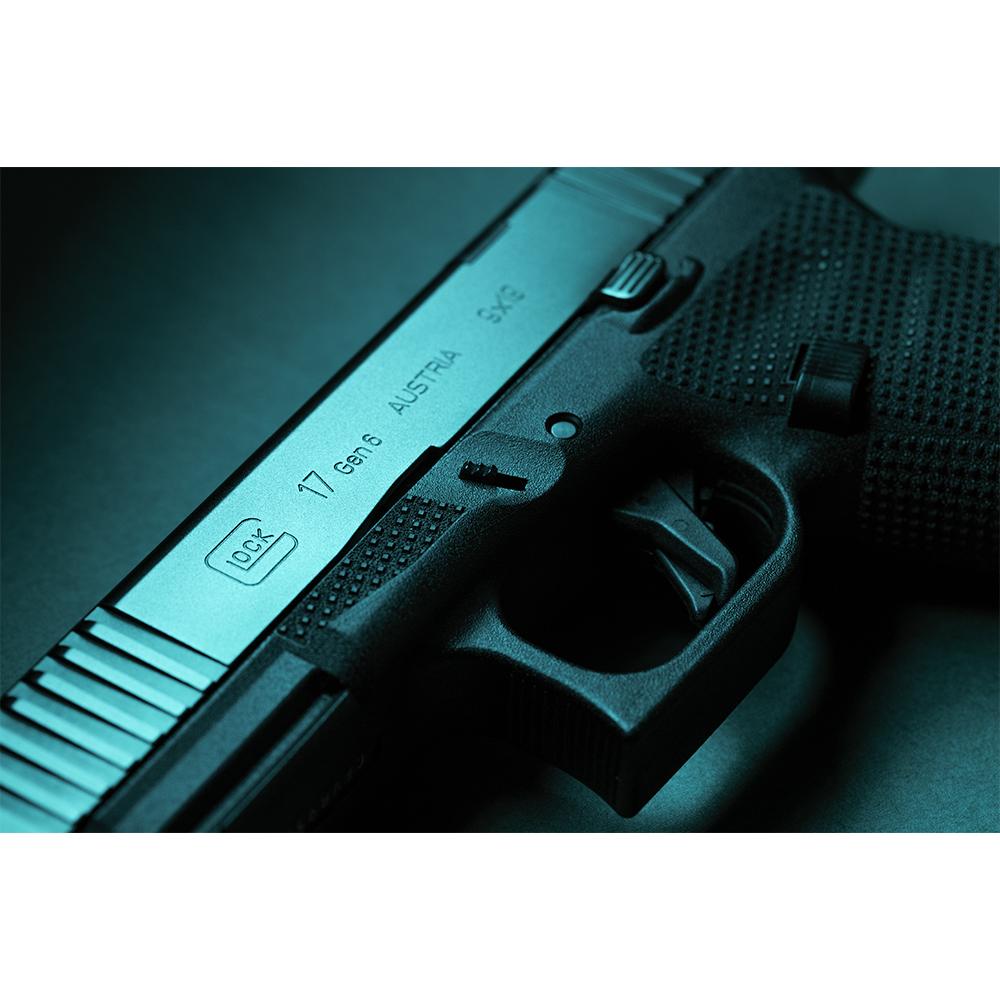
Glock Inc.
Glock 17 Gen 6 Handgun 9mm Luger 10rd Magazines(3) 4.49" Barrel Black Optic Ready Austria
$627.90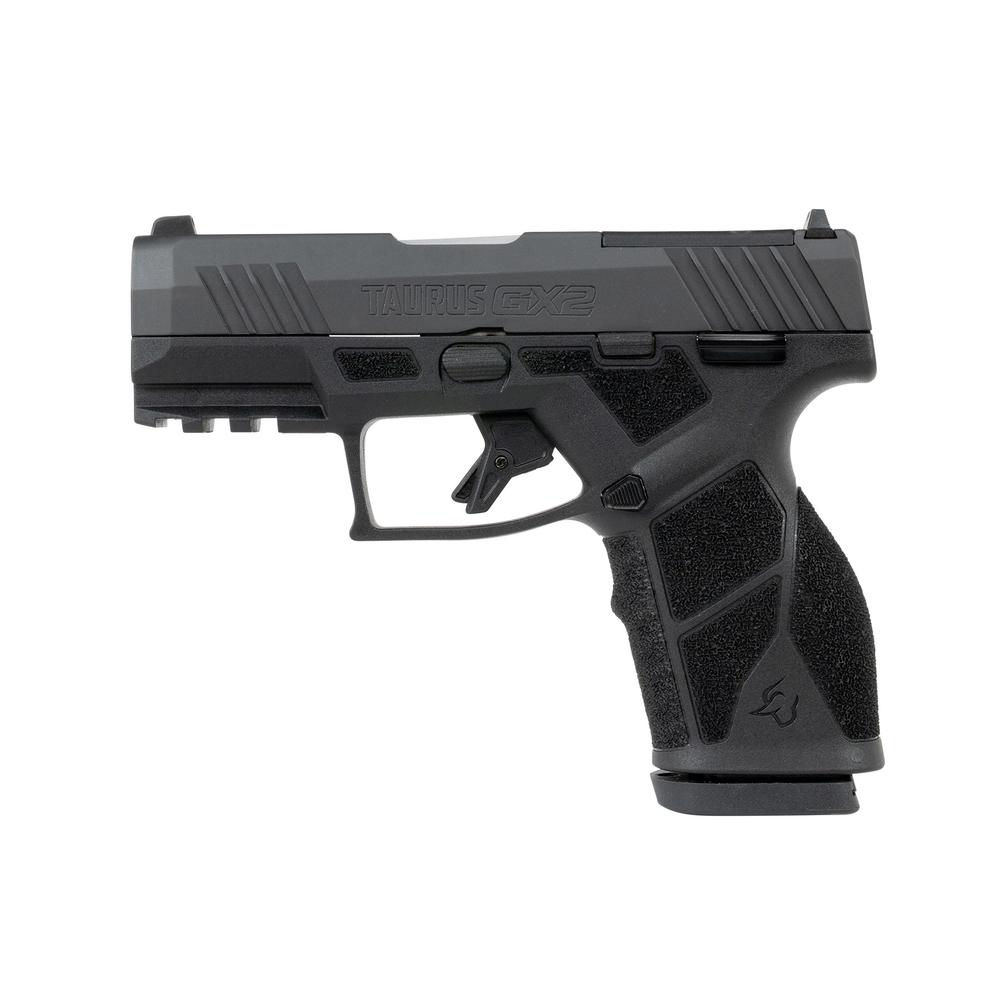
Taurus International Inc.
Taurus GX2 TORO Handgun 9mm Luger 13rd Magazine(1) 3.38?? Barrel Black Slide/Frame
$229.99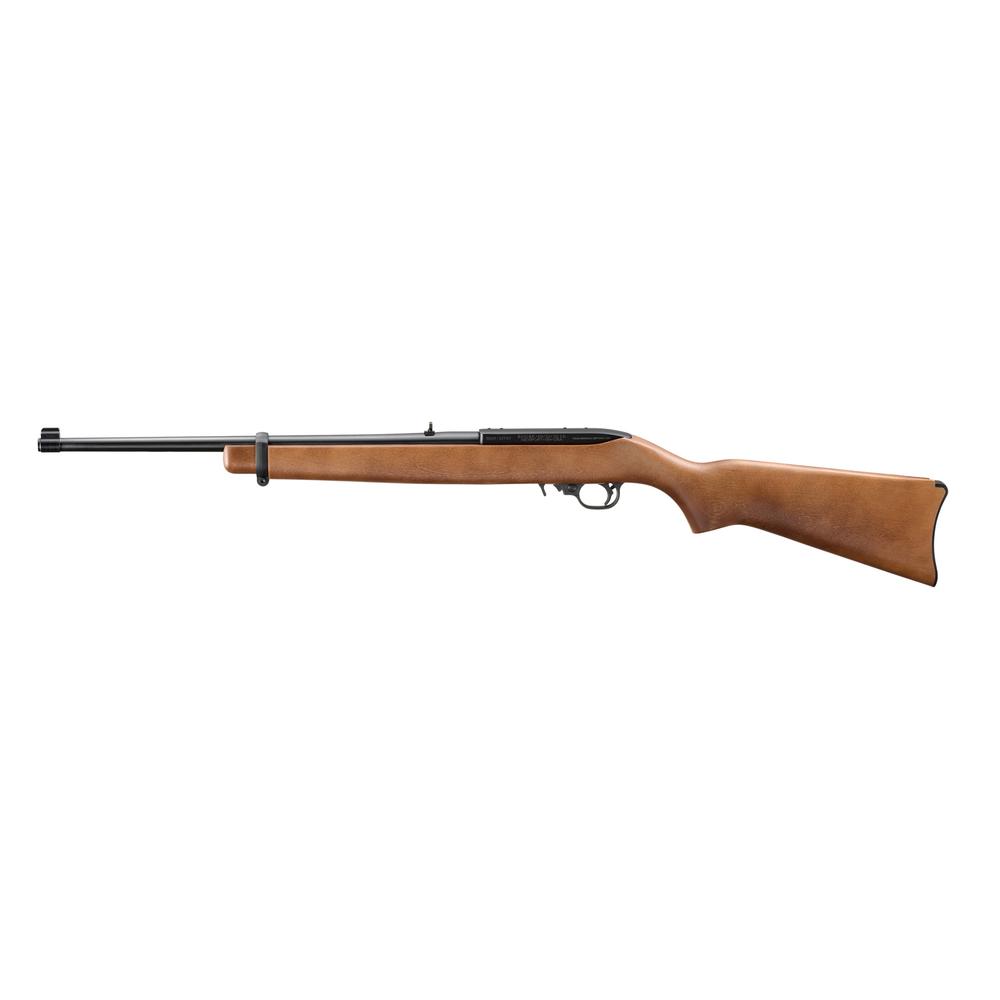
Sturm Ruger & Co
Ruger 250th Anniversary Rifle 10/22 Rifle 22 LR 10rd Magazine 18.5" Blued Barrel Wood Stock
$274.85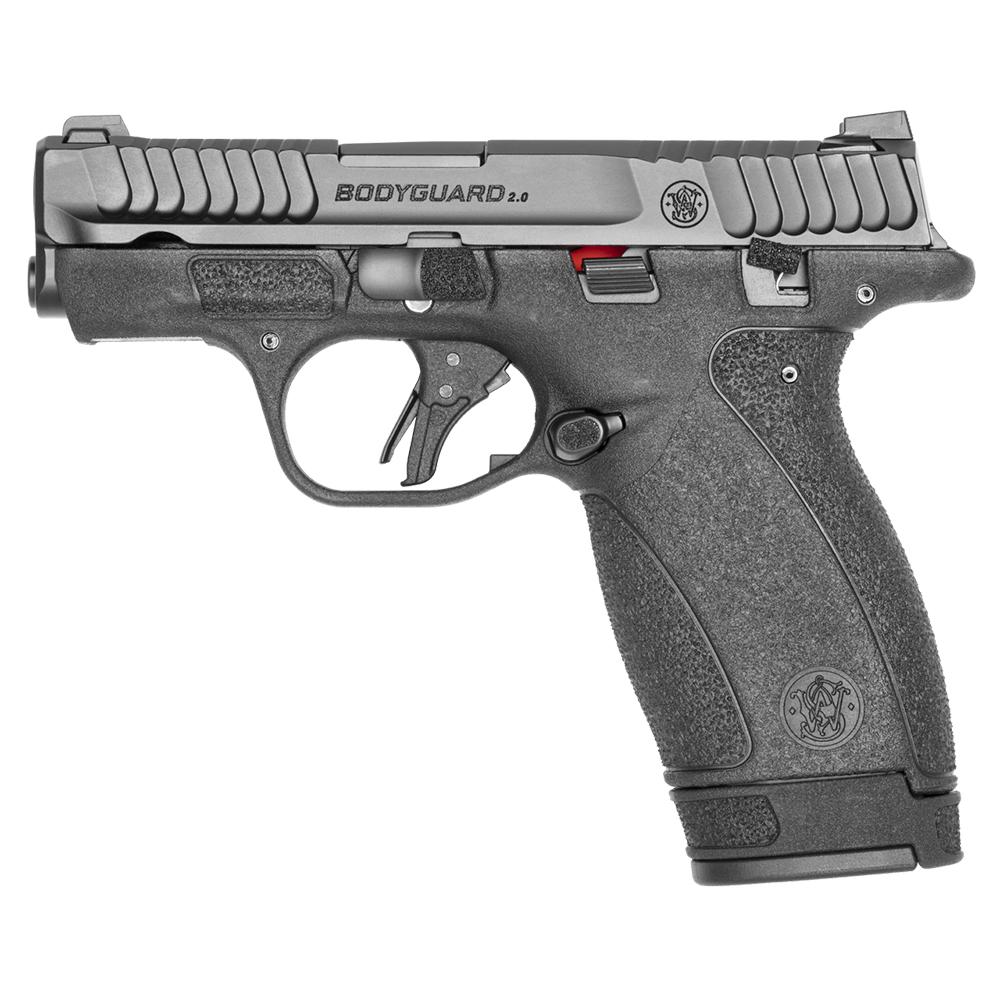
Smith & Wesson Inc.
Smith & Wesson M&P Bodyguard 2.0 Handgun .380 Auto 10rd (1) & 12rd (1) Magazines 2.75" Barrel Black Thumb Safety
$399.00
Related articles
All articles →
deer season prep
Northeastern NC Gun Season Opens October 17: 7 Rifle Checks to Do This Weekend
Northeastern North Carolina gun deer season opens October 17, 2026. Use this seven-step weekend checklist to inspect your rifle, confirm your zero, organize hunting gear, and prepare for a safe opening morning.

hunting apparel
Hunting Apparel 101: How to Layer for North Carolina's Early-Season Heat and Late-Season Cold
Learn how to build a practical hunting apparel system for North Carolina's humid early season, cold late season, changing temperatures, and long days outdoors.

hunting season prep
Hunting Season Prep: Your Gear Checklist Before Opening Day
Opening day has a way of exposing every item you forgot. Use this hunting season prep checklist to inspect your firearm or bow, verify optics, pack smarter, and head into the woods ready for opening day.