
Northeastern NC Gun Season Opens October 17: 7 Rifle Checks to Do This Weekend

If you followed our archery-season preparation guide, you already handled the basics: scouting, access routes, clothing layers, and a plan for getting into the woods quietly. Now it is time to prepare for the next phase.
For North Carolina's Northeastern Deer Zone, regular gun deer season opens October 17, 2026. That gives you a little runway, but rifle preparation always rewards an early start. A loose scope mount or unreliable sling has a bad habit of announcing itself at the worst possible moment.
Use this weekend to work through seven practical checks covering rifle maintenance, optics, firearm accessories, guns, ammo, and the rest of your hunting gear.
First, Confirm Your North Carolina Deer Season Zone
Before you touch your rifle, confirm your county's deer zone on the official North Carolina Wildlife Resources Commission zone map. Rocky Mount sits in Nash and Edgecombe counties in the Northeastern Deer Zone, and game lands can impose different antlerless dates, firearm restrictions, permit requirements, or access rules. Review the North Carolina deer season regulations and the specific game land regulations before opening day.
Also confirm your license, big-game privilege, harvest-reporting requirements, and current bag limits. Regulations can change. Your memory from last season does not count as a regulation book.
1. Unload the Rifle and Complete a Thorough Rifle Maintenance Check
Start with safety. Point the rifle in a safe direction, remove the magazine, open the action, and physically and visually confirm that the chamber is empty. Keep all ammunition in another area while you clean and inspect the firearm.
Follow the manufacturer's manual for field-stripping and cleaning. Focus on the bore, chamber, bolt, extractor, feed ramp, trigger area, and exterior metal surfaces. Remove fouling, old oil, grit, and moisture without flooding the rifle with lubricant.
Inspect the stock, recoil pad, action screws, sling studs, and muzzle. Look for cracks, stripped screws, corrosion, or anything that feels loose. If you find damage or uncertainty, stop and have a qualified gunsmith inspect it. A hunting rifle should feel boringly dependable. That is the whole idea.

2. Inspect Your Scope, Mounts, and Optic Accessories
Your rifle can function perfectly and still miss if the optic system shifts. Check the scope body, lenses, turret caps, rings, base, and mounting screws.
Clean the lenses with a proper lens cloth and lens-safe solution. Do not use your shirt unless you enjoy turning small scratches into a long-term optic problem. Check that the reticle remains clear at different magnification settings and that the eye relief works naturally from your normal shooting position.
Inspect your firearm accessories as a complete system: scope rings and bases, bubble level if you use one, lens covers, sling and sling attachments, bipod or shooting rest, rail sections and accessory screws, and rangefinder and binocular harness.
Use the correct torque specifications from the optic and mount manufacturers. Avoid guessing with “tight enough.” Too little torque allows movement, while too much can damage components.
If your scope has spent the summer in a truck, safe, or gear bin, give it a careful once-over before you head to the range.
3. Test Your Hunting Ammo and Confirm Your Rifle's Zero
Use the exact hunting ammunition you plan to carry into the woods. Different bullet weights, manufacturers, and loads can change point of impact. Your rifle does not care what the box looks like; it cares where the bullet lands.
At the range, confirm your zero from a stable rest. Start at a closer distance if you changed optics, removed the scope, or performed major rifle maintenance. Then confirm your preferred hunting distance and, if practical, check a second distance that matches the longest ethical shot available in your hunting area.
Pay attention to group size, point of impact, feeding and extraction, magazine function, trigger feel, scope clarity, and recoil and shooting position.
Do not chase every single-hole group. You need a repeatable hunting setup, not a trophy-winning benchrest performance. Confirm that your shots land consistently and that you can operate the rifle safely under realistic conditions.
Store ammunition in its original packaging or a clearly marked container. Keep it dry, protected from extreme heat, and separate from cleaning supplies.

4. Check the Rifle's Fit, Sling, and Carry Setup
A rifle that feels comfortable at the truck can feel very different after a mile through thick cover. Carry it with your hunting pack, outer layers, and normal accessories. Walk the route you expect to use and listen for rattling, rubbing, or loose hardware.
Confirm that your sling stays secure and does not interfere with the safety, bolt, magazine, or optic. Adjust the length while wearing your actual hunting clothing. You should be able to move the rifle into a stable shooting position without fighting the sling.
If you use a bipod, shooting sticks, or a pack-supported rest, test that setup now. Practice moving from carry position to shooting position without sweeping people, vehicles, or anything you do not intend to cover with the muzzle.
Keep the rifle unloaded during dry practice. Rehearse the movement, not the firing.
5. Build a Legal, Useful Opening-Day Gear Kit
Your rifle gets attention, but the rest of your hunting gear determines how smoothly the hunt unfolds. Lay everything out and remove duplicate items or bulky packaging.
Your weekend checklist should include: blaze-orange hat and required upper-body clothing, hunting license and big-game privilege, phone or GPS device, headlamp and spare batteries, first-aid kit, water and compact food, knife in a secure sheath, game bags and gloves, drag rope or compact game sled, weather layer, binoculars or rangefinder, and a small field notebook and pencil.
North Carolina requires hunter orange during firearm deer hunting, including when you hunt from a stand. Check the current regulations for the exact visibility requirements and any special rules for youth hunts or game lands.
Pack your gear the night before the range session or scouting trip. If something squeaks, snags, or disappears into the bottom of your pack, fix it now.

6. Review the Property, Access Route, and Shot Plan
A reliable rifle cannot solve a poor hunting plan. Revisit your stand locations, shooting lanes, backstops, and access routes before gun season opens.
Identify safe shooting directions and confirm that your planned bullet path ends in a reliable backstop. Never assume a hillside, field edge, or distant tree will stop a projectile. Know what sits beyond your target.
Plan for changing wind and pressure from other hunters. Choose a primary stand and at least one backup location. Mark quiet entry and exit routes, then clear small branches or noisy obstacles before the season starts.
You should also decide what happens after a shot. Mark the location, note the direction of travel, and prepare your recovery gear before you need it. A short plan beats a frantic search through the woods every time.
7. Complete a Full Weekend Shakedown
Finish the checklist with a complete rehearsal. Load your rifle case, pack, clothing, optics, ammunition, and field gear exactly as you plan to use them on opening morning.
Check that the rifle is clean, functional, and safely stored; the scope and mounts remain secure; your hunting ammo matches the load used to confirm zero; your sling and firearm accessories stay quiet and secure; your blaze orange fits over your hunting layers; your pack contains the essential hunting gear without unnecessary weight; and your license, maps, phone, light, and recovery equipment are ready.
Take the full setup on a walk. Sit in your stand or shooting position. Practice getting comfortable without shifting constantly. Make sure you can reach your rangefinder, calls, phone, and other essentials without digging through your pack.
This is also the right time to identify anything that needs replacement. If a sling is frayed, a lens cover is cracked, or a battery is weak, replace it before the season countdown gets serious.
Rocky Mount, NC Hunting Gear and Firearm Accessory Support
Iron Valor Armory serves hunters and shooting sports enthusiasts in Rocky Mount, Nash County, and the surrounding Eastern North Carolina area. That service area includes Wilson, Tarboro, Greenville, Roanoke Rapids, Henderson, Goldsboro, Elm City, Sharpsburg, Bailey, Middlesex, Wake Forest, Clayton, Smithfield, Kinston, Knightdale, Rolesville, and Youngsville.
One important local note: Rocky Mount sits in the Nash and Edgecombe County area, and those counties appear in North Carolina's Northeastern Deer Zone, which lists an October 17, 2026 gun-season opening. If you hunt near Rocky Mount, verify your exact county and property rules instead of assuming another zone's date applies.
For dependable guns, ammo, optics, firearm accessories, and specialized hunting gear, browse the Iron Valor Armory shop. If you are working on a lawful range platform or need build components, review the custom AR-15 parts selection. Always confirm that your rifle, caliber, and configuration comply with current North Carolina hunting regulations before using it for deer.
Final Thoughts: Get Your Rifle Ready Before October 17
The best opening-day rifle is not necessarily the newest or most expensive one. It is the rifle you cleaned, inspected, tested, carried, and confirmed before the season opened.
Use this weekend to finish the seven checks. Verify your zone, complete rifle maintenance, inspect your optics, confirm your zero, organize your hunting gear, and build a safe shot and recovery plan.
October 17 will arrive quickly. When it does, you want your attention on the woods, not on a loose scope ring you should have checked weeks earlier.
Published by Iron Valor Armory · Rocky Mount, NC 27803
Shop hunting & outdoors →Shop hunting & outdoors in stock
CenterPoint
CenterPoint Hellion 400 Crossbow Package – Open Box (Fully Assembled, Never Fired)
$475.00
Sig Sauer
Sig Sauer Romeo5 Gen II Compact Red Dot Sight 1x20mm Red Dot 2 MOA Adj
$120.74
Sig Sauer
Sig Sauer Romeo5 Gen II Compact Green Dot Sight 1x20mm 1 MOA Green Dot 0.5 MOA Adj
$126.49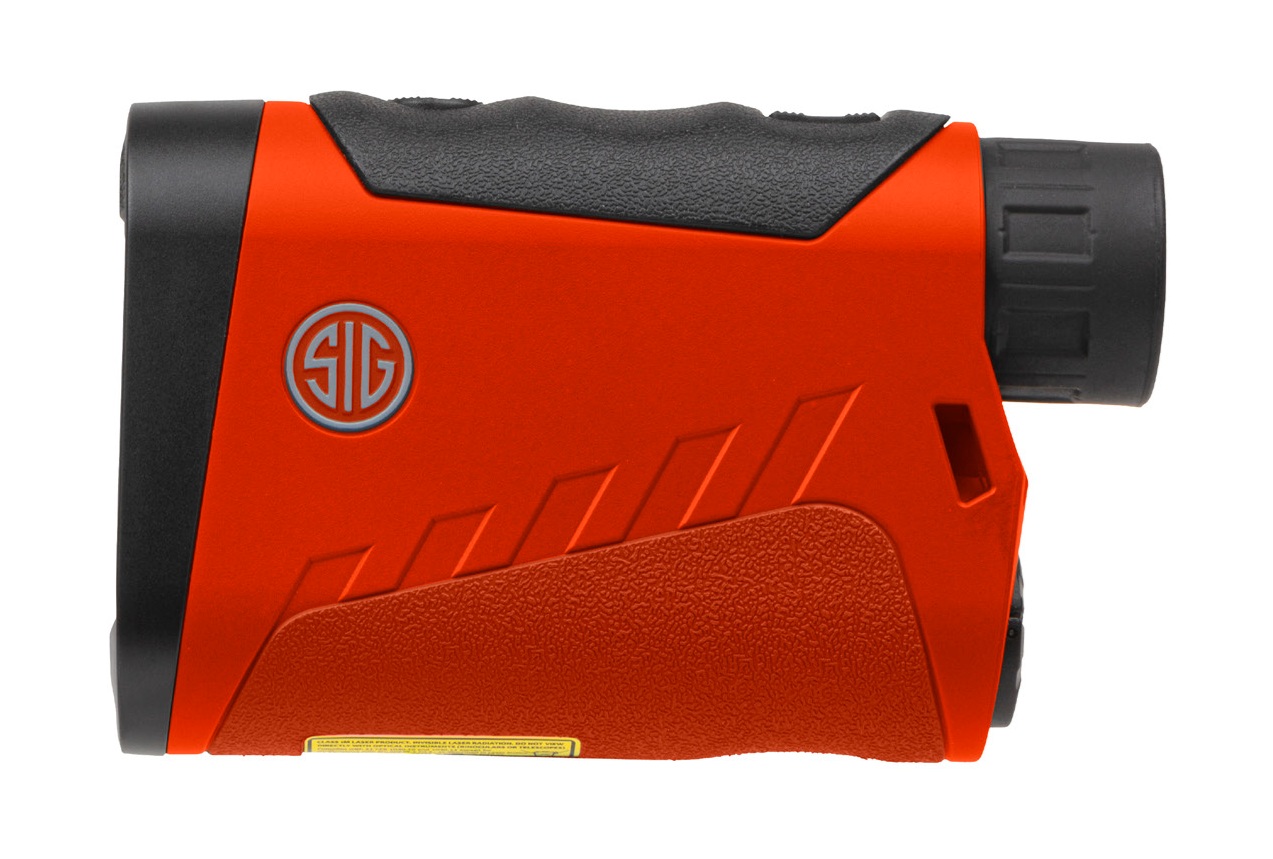
SIG SAUER
KILO CANYON 6X22MM ORANGE
$137.99

Related articles
All articles →
AR-15
7 Mistakes You're Making with Your AR-15 (and How to Fix Them Before Opening Day)
Before opening day, your AR-15 needs more than a quick glance and a fresh box of ammo. Use this seven-point checklist to inspect your rifle, secure your optics, verify your magazines, confirm your point of impact, and practice with your actual hunting setup.

hunting season prep
Hunting Season Prep: Your Gear Checklist Before Opening Day
Opening day has a way of exposing every item you forgot. Use this hunting season prep checklist to inspect your firearm or bow, verify optics, pack smarter, and head into the woods ready for opening day.

hunting apparel
Hunting Apparel 101: How to Layer for North Carolina's Early-Season Heat and Late-Season Cold
Learn how to build a practical hunting apparel system for North Carolina's humid early season, cold late season, changing temperatures, and long days outdoors.