
How to Hunt Deer in Thick Cover in Eastern North Carolina: Cutovers, Pine Thickets, and Swamp Edges

Thick cover can make an eastern North Carolina deer hunt feel like a staring contest with the woods. You hear a twig pop, catch a flick of brown, and then the thicket swallows the whole show. That is exactly why deer use cutovers, young pine stands and swamp edges when hunting pressure rises.
With gun season open in the Northeastern Zone, a smart plan starts with understanding how deer move through cover, not with trying to see through every briar. Find the transitions, hunt with the wind in your favor, and set a strict standard for what counts as a safe shot. In tight cover, patience and a clear lane beat a rushed guess every time.
Read the cover before you choose a setup
Start by asking what a patch of dense cover offers a deer. Young pines and regenerating cutovers provide concealment, browse and bedding security. A swamp edge can offer a dry travel route, nearby water and a quick escape into cover. Deer do not need a wide-open view. They need a route that lets them move without exposing themselves for long.
Look for places where one type of cover meets another. A logging road beside a cutover, a hardwood strip along young pines, a narrow finger of dry ground beside wet ground, or a trail that enters a swamp can all focus movement. The goal is not to assume every trail belongs to a buck. It is to find a small number of likely routes and check whether deer use them repeatedly.
- Look for fresh tracks, droppings, rubs, scrapes and trails that connect bedding cover with feeding areas.
- Notice where a broad edge narrows into a pinch point, such as a strip of dry ground between wet areas.
- Check for trails that skirt the edge of thick cover rather than crossing the most exposed ground.
- Use maps and careful scouting to identify access routes, property boundaries and any nearby roads, homes or other hunters.
Sign gets more useful when it tells a story. One track can come from a deer passing through once. Several fresh tracks on the same trail, with browse and other sign nearby, suggest a route worth watching. Keep scouting light. If you push into bedding cover to inspect every track, you may teach deer to use a different exit.
Understand the three main cover types
Cutovers and regenerating clear-cuts
A fresh cutover can hold excellent browse and dense security cover, but that does not make the middle of it the best place to sit. Visibility may shrink to a few yards, and the tangle can make quiet movement difficult. Focus first on the edges, interior travel lanes and openings where deer can move with some protection.
Look for trails following the boundary, crossing an old skidder road or slipping between a cutover and a hardwood strip. A narrow opening can be more productive than a broad one because it gives deer a route with cover close on both sides. Before choosing a position, make sure you can identify the full area around the trail and see a safe, unobstructed shot window.
Pine thickets
Young pine stands often combine thick ground cover with rows, old roads or patches of more open understory. Rather than pushing straight into the densest section, look for a trail that travels along the edge or connects the pines with a different habitat. Deer may use the thickest part for daytime security and move along its border when they travel.
A lane that looks open from a map may be choked with brush on the ground. Walk it outside active movement hours if you can, and check whether you can see enough to identify a deer and its surroundings. Do not clear a shooting window in a way that damages property or violates site rules. A little selective preparation is useful. A newly hacked runway is not subtle.
Swamp edges and wet ground
Swamp edges can funnel deer along slightly higher ground, natural ridges and narrow dry strips. Look for tracks where a trail skirts standing water or connects one patch of firm ground to another. These routes can be especially useful after pressure pushes deer away from more exposed ground.
Do not assume a swamp is safe to cross just because the edge looks firm. Water depth, soft bottoms, hidden ditches and changing conditions can turn a short shortcut into a serious problem. Plan your entry and exit in daylight, mark your route, and avoid wading or climbing through unfamiliar obstacles in the dark.

A swamp edge can guide movement along firm ground. Check the route and conditions before you commit to a setup.
Choose between still hunting and an edge stand
Both approaches can work. The right choice depends on wind, visibility, ground conditions, pressure and how much safe shooting space you have. In especially dense cover, a stand or stationary ground setup near an edge often gives you a better chance to identify movement and make a deliberate decision. Still hunting can produce an encounter, but it demands discipline and safe handling from the first step to the last.
When an edge setup makes sense
Choose a stationary position where a trail, narrow opening or habitat transition gives you enough visibility to watch without sitting directly in the route. An inside corner, a trail crossing, a point of dry ground or a narrow neck between thick cover and wet ground may offer a useful view. Use the terrain and legal equipment allowed on that property, and check any applicable game-land restrictions.
Before settling in, pick several possible directions from which deer may appear. Identify each lane, its background and the point where you would refuse a shot. Keep the setup modest. Too much trimming creates noise, changes the cover and can make the spot look like someone has been working there all week.
When still hunting may work
Still hunting means moving slowly enough to notice the deer that has already noticed you. Take a few measured steps, stop, scan openings, then listen before moving again. Use cover and natural sounds to mask movement, but do not let those advantages distract you from what lies ahead. A deer may stand motionless rather than bolt, and a patch of hide can be difficult to distinguish from dead leaves.
Move only when you can maintain safe control of your firearm and keep the muzzle pointed in a safe direction. Keep your finger outside the trigger guard until you have identified a legal target and made a deliberate decision to shoot. Unload before crossing a fence, ditch, log or other obstacle. If visibility or footing becomes unsafe, stop the hunt and choose another plan.
In thick bedding cover, pushing blindly through the middle usually creates more disturbance than opportunity. A careful stand on a downwind edge often lets deer move naturally while giving you more time to observe and decide.

Still hunting calls for deliberate steps, frequent stops and constant awareness of what lies beyond the cover.
Let wind and scent shape the plan
In dense cover, a bad wind can ruin a good location before you see a deer. Plan to keep your scent away from the trail and bedding cover you expect deer to use. Check wind direction before leaving the truck, then check it again as you approach. Air can behave differently near wet ground, thick vegetation and small openings, and a coastal breeze can shift during a sit.
Choose an access route that avoids crossing the main trail or cutting through likely bedding cover. An old road, ditch or open pine lane may let you reach the setup with less disturbance, provided it is legal and safe to use. If the wind carries your scent across the area you intend to hunt, relocate or call the sit. Scent products cannot rescue a setup that puts your scent in the wrong place.
- Keep clothing and boots clean, and avoid smoke, food odors and unnecessary contact with brush.
- Use a wind indicator where appropriate, while remembering it shows only what the air does at your position.
- Approach early enough to settle in without rushing or walking through the trail you plan to watch.
- Leave carefully, especially if deer may be nearby. A quiet exit helps preserve future opportunities.
Set a safe standard for short-range shots
Thick cover can make a short shot look easy. It can also hide a branch, another hunter, a property boundary or an unsafe background. Short distance does not excuse poor identification. Before taking a shot, positively identify the deer, confirm the direction and position of the animal, and know what lies beyond it.
Only consider a clear, unobstructed shot at a deer in a position you have practiced for. A broadside or slightly quartering-away presentation gives you a more responsible opportunity to place a shot in the vital area. Do not shoot at movement, through brush, at a running deer, or into a space where you cannot identify the backstop. If another hunter, a road, a home, livestock or an unseen area may be behind the deer, do not shoot.
Set personal limits before the hunt. Practice from the positions you expect to use, and know how your equipment performs at realistic distances. Dense cover may shorten the range, but it also narrows your window. If you cannot get a clear view and a steady, safe opportunity, let the deer pass.
Track deliberately after the shot
After a shot, pause and pay attention. Mark where the deer stood, the direction it traveled and the last place you saw it. Note what you heard and saw, then go to the impact area only when doing so will not push a wounded deer farther into cover. A few minutes spent thinking clearly can save hours of confused searching.
- Mark your position and the last confirmed location of the deer.
- Look for blood, hair, tracks or other sign without trampling the trail.
- Mark each confirmed sign point so you can follow the direction of travel.
- Adjust the pace to the evidence. A limited sign trail or uncertain hit calls for patience.
- Search likely routes and nearby cover carefully, while keeping your firearm under control.
Do not assume a deer has been missed because you do not see it immediately. Nor should you assume a poor hit is fatal. If the sign suggests a marginal hit, stop and give the animal time rather than rushing into the thicket. Rain can erase tracks and blood, while darkness makes both recovery and movement around water more hazardous. Use a light, tell someone your plan and location, and avoid entering unsafe ground in the dark. For guidance on reporting and handling a harvested deer, consult the North Carolina Wildlife Resources Commission's after-the-hunt information.
A practical thick-cover hunt plan
For a morning sit, identify a cutover or pine edge with fresh sign and a trail leading from security cover toward a likely feeding area. Check the wind and approach from the side that keeps your scent away from the route. Set up where the trail crosses a small opening or pinches between thick cover and wet ground. Before legal shooting time, identify your safe lanes and background. If the wind shifts into the bedding area, leave without walking through the main trail.
For a still hunt, choose a route with firm footing and safe visibility. Move only when you can see the next place you intend to step, pause often, and keep the muzzle under control. If the cover closes in until you cannot identify a deer or what lies behind it, turn around or stop. The woods do not award bonus points for walking into the worst briars.
Record what you learn after the hunt: wind, access route, sign, time of movement and any changes in deer behavior. Over time, those notes help you distinguish a productive funnel from a trail that only looks promising on a map.
Hunt safely and check the current rules
Follow all applicable state and federal laws, and confirm the regulations for the county, property and season you plan to hunt. Rules can change, and public hunting areas, game lands and refuges may have additional restrictions. Review the current NC Wildlife Resources Commission season dates and its current regulations digest before you go. Wear hunter orange wherever and whenever the current rules require it, and make sure nearby hunters can see you.
Tell someone where you plan to hunt and when you expect to return. Carry a light, keep your phone charged, and know how you will get out if the weather or ground conditions change. Treat every firearm as loaded, maintain muzzle control and identify your target and its background. If you cannot confirm that a shot is safe, do not take it.
Iron Valor Armory and eastern North Carolina
Iron Valor Armory serves hunters and outdoor enthusiasts in Rocky Mount and surrounding communities, including Wilson, Tarboro, Greenville, Roanoke Rapids, Henderson, Goldsboro, Elm City, Sharpsburg, Bailey, Middlesex, Wake Forest, Clayton, Smithfield, Kinston, Knightdale, Rolesville and Youngsville. For more hunting and gear guidance, visit the Iron Valor Armory blog.
Thick cover rewards the hunter who plans carefully, watches the wind and refuses an unsafe shot. Read the edges, choose a position that gives you time to identify what you see, and move only when conditions let you hunt responsibly. The deer may be close. Your decision still deserves room to breathe.
Disclaimer: This article provides general hunting information, not legal advice. North Carolina and federal laws, season dates and local rules can change. Verify current requirements with the appropriate authorities before hunting.
Published by Iron Valor Armory · Rocky Mount, NC 27803
Shop hunting & outdoors →Shop hunting & outdoors in stock
Birchwood Casey
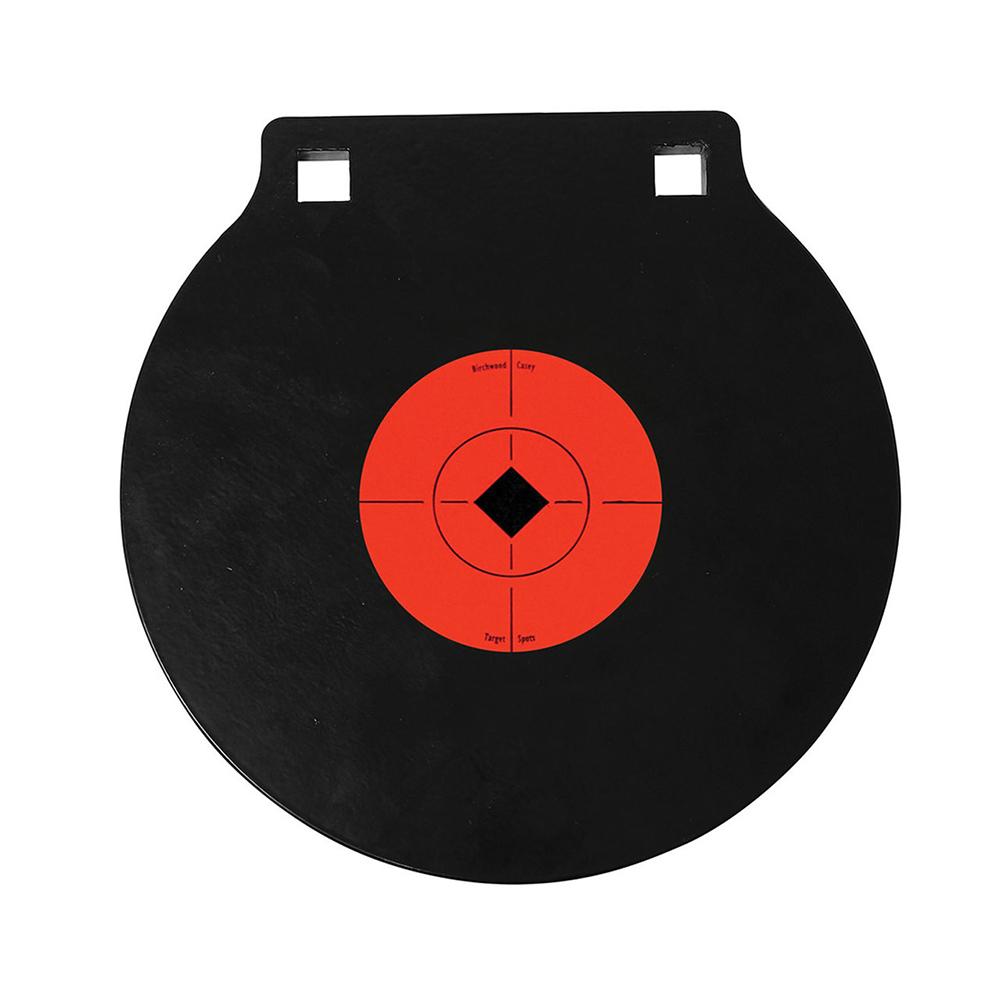
Birchwood Casey World of Targets Double Hole AR500 Gong 10" 3/8" Thick
$28.85
Cold Steel
COLD STEEL BROOKLYN CRUSHER 29" BAT Brooklyn Crusher, 29" Overall, 1.5" Diameter Thick, Polypropylene, 33 Oz
$32.99
Cold Steel
COLD STEEL SR1 LITE 4" TANTO PLANE SATIN Sr1 Lite Tanto Point, 9-3/8" Overall, 4" Blade, 4.8Mm Thick, 8Cr13Mov Steel
$84.99
Cold Steel
COLD STEEL SR1 LITE 4" CLIP POINT PLANE SATIN Sr1 Lite Clip Point, 9-3/8" Overall, 4" Blade, 4.8Mm Thick, 8Cr13Mov Steel
$84.99
Related articles
All articles →
hunting season prep
Hunting Season Prep: Your Gear Checklist Before Opening Day
Opening day has a way of exposing every item you forgot. Use this hunting season prep checklist to inspect your firearm or bow, verify optics, pack smarter, and head into the woods ready for opening day.

deer hunting
How to Field Dress a Deer: A Step-by-Step Guide for North Carolina Hunters
A practical, step-by-step guide to preparing your work area, handling a harvested deer carefully, making controlled cuts, and following North Carolina harvest-reporting requirements.

deer season
North Carolina Deer Season Dates, Bag Limits, and Tagging Rules for 2026-27
North Carolina's deer seasons change by zone, and the statewide bag limit is only part of the picture. Use this 2026-27 guide to check season dates, tagging and reporting requirements, and the current rules for the county and property you plan to hunt.