
Hunting Pressured Deer After Opening Weekend: Tactics for North Carolina's Second Week

Hunting Pressured Deer After Opening Weekend: Tactics for North Carolina's Second Week
North Carolina's Northeastern Zone gun deer season opens Saturday, October 17, 2026, and runs through January 1, 2027. If you hunt around Rocky Mount, your first weekend in the woods may bring a familiar mix: fresh tracks, new boot prints, trucks at the usual pull-offs, and more hunters moving through the places deer have used all summer.
Then Monday arrives. For the week of October 19 onward, the question changes. You are not simply looking for deer sign. You are figuring out how deer have responded to people, where the easiest access has concentrated pressure, and which routes still let you hunt without announcing yourself first.
Here is the reality: pressure can make deer harder to see, but it also leaves clues. Treat opening weekend as information, make a deliberate adjustment, and hunt the second week with a plan built around the deer that remain, not the pattern you hoped would last.
What opening-weekend pressure actually changes
Deer do not react to pressure in one identical way. Some shift their core activity into thicker cover. Others change the route they use to reach the same food or bedding area. A buck that crossed a field edge in daylight may begin using brush, a ditch, or a narrow strip of timber instead.
Even a short burst of human activity can make familiar places feel less predictable to deer. Orange clothing moving through cover, repeated walks to stands, vehicles arriving near daylight, and hunters crossing fields can all add disturbance. Deer may become more vigilant around roads, parking areas, field edges, and other spots where people routinely appear.
That does not mean every deer abandons its home range or stops moving in daylight. It means you should expect more caution and less tolerance for sloppy access. Movement may become tighter to cover, less obvious, or shifted toward quieter hours. Your job is to discover what changed on the ground you can actually hunt.

Read pressure sign as information
Boot prints, shell casings, cut shooting lanes, and truck tracks can feel like evidence that your spot has gone cold. Do not stop at that first impression. Each clue can help you map where other hunters concentrated their effort, where they entered, and which areas they may have overlooked.
Look for patterns rather than drawing a big conclusion from one mark. A clear trail of boot prints from a parking area to an easy field-edge stand tells you more than a single track on a logging road. Tire tracks near one access point may show repeated use. A freshly cleared lane can identify a stand location that another hunter expects to cover.
Then ask the useful question: where did that pressure go, and what nearby cover did people leave alone? Thick interior pockets, awkward approaches, quiet connectors, and escape routes just beyond a busy stand may offer a better starting point. Sign is not proof that deer moved to a specific spot, but it narrows your search and gives you a reason to look more carefully.
Respect the property while you scout. Do not trespass, disturb another hunter's setup, or assume a track gives you permission to enter. If you find litter or spent casings, note the area and leave it as you found it. Your goal is to learn, not add to the disturbance.
Change the setup, not just the stand tree
Easy-access edge stands often attract the most pressure because they are convenient. Hunters can park close, slip in quickly, and sit where a field meets timber. Those spots may still produce, but after opening weekend, repeating the same entrance and setup can put you in the same crowded pattern as everyone else.
Leave the obvious edge alone when fresh sign says it has seen heavy traffic. Move your attention toward the interior, especially the cover between feeding areas and bedding cover. Look for a quiet trail that skirts a thicket, a narrow crossing where cover pinches down, or a staging area where deer can pause before entering an exposed field.
Set up just off the thick cover, not deep inside the bedding area and not on the food source deer may now approach only after dark. A staging area or escape route gives you a chance to intercept movement while keeping your entry and exit manageable. You want to watch the edge deer trust, not force your way through the sanctuary they use to feel safe.
Before you move, check access from both directions. A promising interior site loses its value if you have to cross the primary trail, walk through likely bedding cover, or leave a scent trail across the route you plan to hunt. A longer, quieter approach often beats a short, convenient one.
Still-hunting: a deliberate tool for the second week
Still-hunting means moving slowly through cover while actively looking and listening for deer. It is not a regular walk with an occasional pause. Move a few careful steps, stop, scan the ground and edges, listen, then repeat. Give the woods time to settle after each movement.
Use terrain, vegetation, and the wind to keep your approach quiet and your view useful. Work along the edge of a thicket, a creek bottom, or a natural rise that breaks up your outline. Keep the wind in your face or at a safe angle, and avoid walking into cover where deer may be bedded if your scent will reach them before you see them.
Still-hunting fits the second week because pressure may push deer into cover and make a fixed stand less productive. It can also make sense around midday, when you can move carefully through a quiet area instead of sitting on a heavily hunted edge. But be honest about the method: still-hunting is low-odds and high-skill. It requires patience, careful observation, and confidence in your ability to identify a target and what lies beyond it.
Do not rush because you have not seen a deer. That is when hunters often make the most noise. If the cover is too thick to maintain safe visibility, or wind keeps shifting toward likely bedding, stop and reassess. A disciplined sit on a good travel route is better than pushing through a sanctuary just to feel busy.
Why the 11 a.m. to 2 p.m. window deserves a look
Many hunters leave the woods after the first morning movement. That leaves quieter hours when deer may still travel between cover, bedding areas, and food. Pressure can change timing and route, and a daylight lull can offer movement that gets missed when everyone heads for lunch.
The 11 a.m. to 2 p.m. window is worth considering, not because deer punch a clock, but because it can put you in the woods when fewer hunters remain. A deer pushed from one part of a property may move through cover later in the morning. Another may stage near a transition before returning to a bedding area. Sometimes nothing moves where you can see it. That is hunting, not a broken promise.
For a stationary sit, choose a route just off thick cover, a sheltered crossing, or a connector away from the morning's most obvious access. If you still-hunt, move slowly and pause often. Keep your expectations grounded and avoid making a noisy circuit through the property during the very hours you hope deer will feel secure.

Wind and thermals matter even more when deer are wary
Pressured deer already pay close attention to their surroundings. Do not give them another reason to avoid your setup. Choose the downwind side of thick cover when you can, and place your stand so your scent stream travels away from the bedding area and the route you expect deer to use.
Do not rely on a general forecast alone. Wind can shift around timber edges, open fields, creek bottoms, and small changes in terrain. Check air movement at your actual hunting location, and keep checking it during the sit. If it turns toward the cover you are watching, leave or move to a better position rather than hoping it will correct itself.
Morning and evening thermals can shape local air movement. As the ground warms, air may rise along a slope. As it cools later, air may drain toward lower ground. In the relatively gentle terrain of much of eastern North Carolina, those effects may be less dramatic than on steep mountain slopes, but wooded draws and creek bottoms can still create local changes.
Use those patterns as a guide, not a guarantee. Wind and thermals can shift or swirl, especially near a transition in temperature or around uneven cover. Your setup should account for both the larger wind direction and local air movement, with an exit route that does not send your scent through the deer area.
Access discipline can protect your next sit
How you enter and exit matters as much as where you sit. Park farther away when practical, avoid walking past likely bedding cover, and take a route that keeps your scent and movement away from the area you plan to hunt. Keep your approach quiet and direct instead of wandering through multiple promising spots before settling in.
Also give a property time to rest. If you hunted one edge hard on opening weekend, do not keep returning to it simply because it is familiar. Shift to a different area, wait for a better wind, or skip a sit. A quiet property can be more valuable than another morning of unnecessary disturbance.
Plan your exit before you climb into a stand. If deer are between you and the path, wait for a safe opportunity or use an alternate route. Do not push animals out of cover just to leave on schedule. Patience works both ways.
Keep your expectations grounded
Week two can look slower on paper. You may see fewer deer in the open, find less obvious movement, and spend longer stretches watching an empty trail. That does not automatically mean the hunt has worsened. Deer may be using cover differently, and your own observations can improve as you learn where people concentrated pressure.
Fresh tracks near a quieter route, a new crossing, or a patch of disturbed cover can make the next decision clearer. Treat those details as intelligence rather than disappointment. Adjust your setup, make one thoughtful change at a time, and judge the hunt by the quality of your decisions as well as by whether you fill a tag.
A good second week can mean finding a cleaner approach, reading a wind correctly, or sitting patiently in a place other hunters walk past. Enjoy the process. The woods do not owe anyone a deer, and they often reward the hunter who keeps learning.
Local service area and appointment-only support
Iron Valor Armory is a home-based Type 07 FFL in Rocky Mount, NC, and serves customers by appointment only. We support hunters looking for dependable gear and accessories for the season. Our service area includes Wilson, Tarboro, Greenville, Roanoke Rapids, Henderson, Goldsboro, Elm City, Sharpsburg, Bailey, Middlesex, Wake Forest, Clayton, Smithfield, Kinston, Knightdale, Rolesville, and Youngsville.
For gear and accessories, explore Iron Valor Armory's services or contact us to arrange an appointment.
Before heading out, confirm current NCWRC season dates, bag limits, and rules for your county and property. Then make your week-two plan simple: hunt where pressure is lighter, keep your access clean, trust the wind you observe, and give the woods time to work.
Published by Iron Valor Armory · Rocky Mount, NC 27803
Shop hunting & outdoors →Shop hunting & outdoors in stock

Spike’s Tactical
Spike’s Tactical Lower Receiver Stripped - Spider Logo Multi Calibe With 3 Position Bullet Markings
$93.50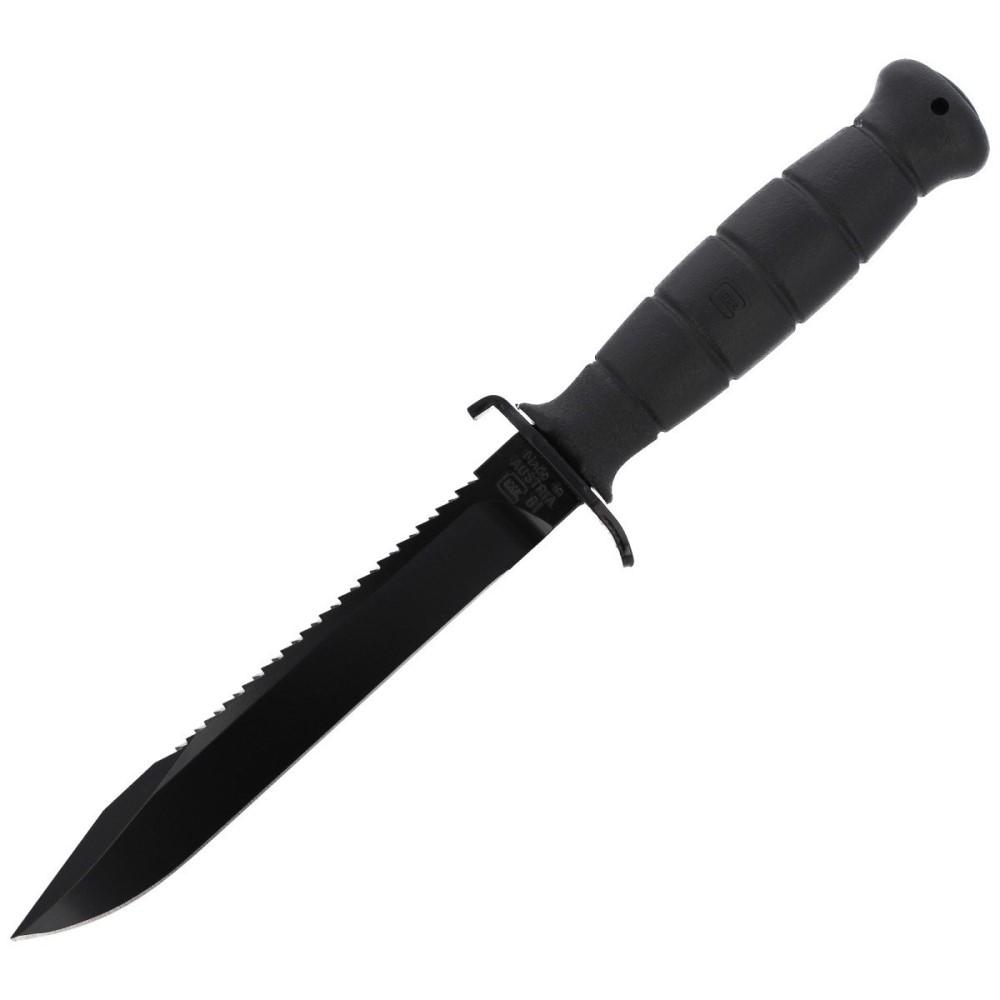
Glock Inc.
Glock Survival Tactical Fixed Knife 6-1/2" Drop Point Blade Black Bulk
$30.92
Spike’s Tactical
Spike’s Tactical Lower Receiver Stripped - w/Crusader Logo
$93.50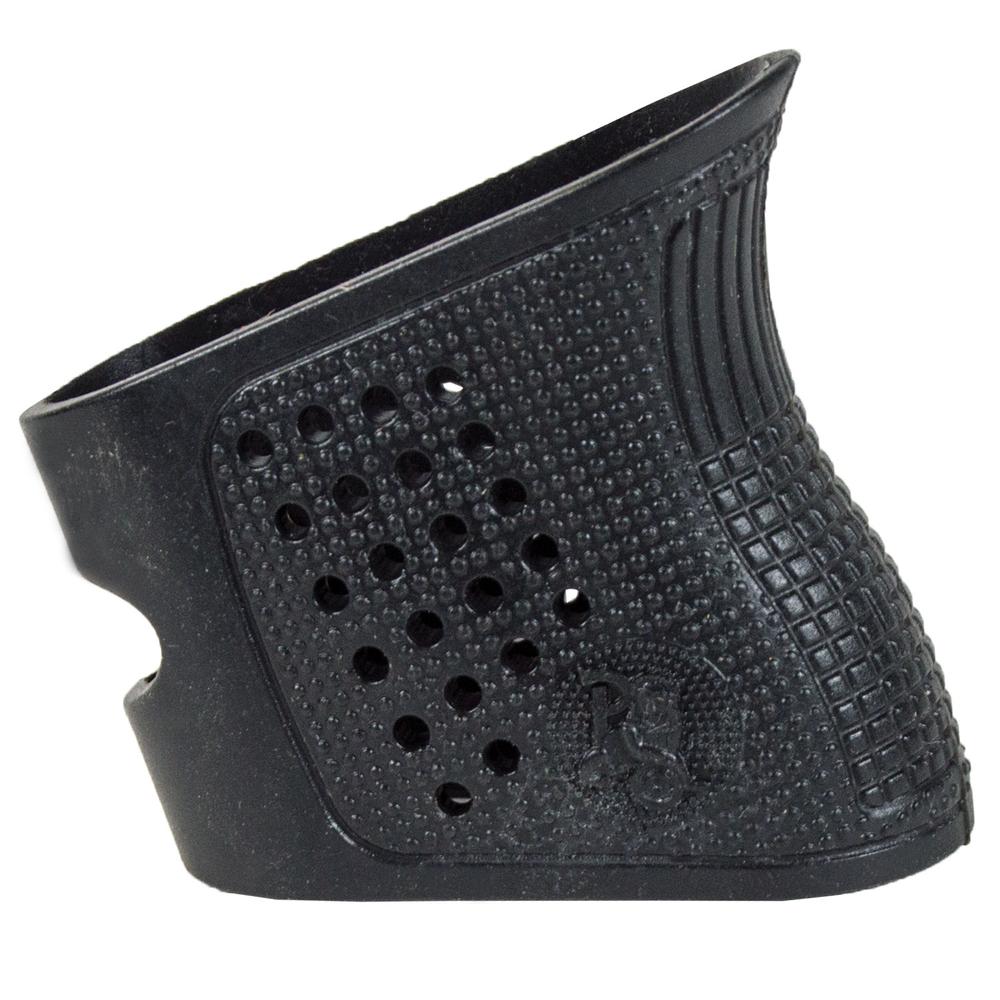
Pachmayr/Tacstar Division
Pachmayr Tactical Grip Gloves - for Glock Compacts 2627282930333639
$8.04
Related articles
All articles →
deer hunting
How to Field Dress a Deer: A Step-by-Step Guide for North Carolina Hunters
A practical, step-by-step guide to preparing your work area, handling a harvested deer carefully, making controlled cuts, and following North Carolina harvest-reporting requirements.

trail cameras
Trail Cameras Before the October Opener: How to Read Deer Movement in North Carolina
October deer movement changes fast as acorns take over the food source and the rut builds. Here is where to place trail cameras, how to check them with less disturbance, and how to read the photos before the opener.
deer hunting
Deer Hunting With a Shotgun in North Carolina: Slugs, Buckshot, and Effective Range
Compare slugs and buckshot for North Carolina deer hunting, set a range based on your own tested pattern or group, and make safety and local rules part of every hunt.