
Ground Blind vs Treestand for NC Deer Hunting: Setup, Safety, and Shot Angles

October 15, 2026
October in Eastern North Carolina has hunters thinking about more than which trail to watch. You also need to decide where you will sit, how you will enter and leave, and whether your setup gives you a safe, steady opportunity when a deer appears. On the ground or up a tree, the right choice starts with the spot, not with a favorite piece of gear.
A treestand usually gives you a wider view and puts your movement and scent above the ground line. A ground blind trades some of that elevation for comfort, easier access, and a place to settle in for a long sit. Neither setup wins every time. The smart hunter matches the blind or stand to the terrain, the likely approach, and the shot they can handle safely.
The honest tradeoff: visibility versus flexibility
A treestand can help you spot deer sooner, especially across flatter Coastal Plain cover where small changes in elevation matter. From above, you can often watch a food plot edge or travel corridor without presenting as much movement at deer-eye level. Elevation can also help keep your scent higher, although it does not erase wind or thermals. Deer still have noses, and they did not get the memo that you bought a new stand.
A ground blind makes a stronger case when comfort and access matter more. You can sit with a partner or young hunter, keep more of your movement concealed, and make an all-day sit easier to manage. You can also place a blind where climbing makes little sense, including dense pines, swamp edges, field corners, and spots without a suitable tree.
Think about how each option works in your actual hunting area. A stand may offer the better view, but only if you can reach it safely and get into position without disturbing the spot. A blind may offer a quieter, more comfortable sit, but only if you set the windows, shooting lanes, and rest up for the way you plan to hunt.
When a treestand earns its place
Choose a treestand when elevation improves your view of the terrain or gives you a workable angle over a well-used route. It often fits a food plot edge, an opening in the timber, or a travel corridor where you want to watch several approaches. In flat country, even a modest rise can help you see above low brush and identify deer before they reach close cover.
Elevation also helps when deer regularly check the ground around a hunting position. A careful treestand setup can keep your outline, small movements, and scent away from the level where deer travel. Still, do not treat height as a substitute for a good wind, careful access, or a clean view of the target and what lies beyond it.
Make treestand safety part of the setup
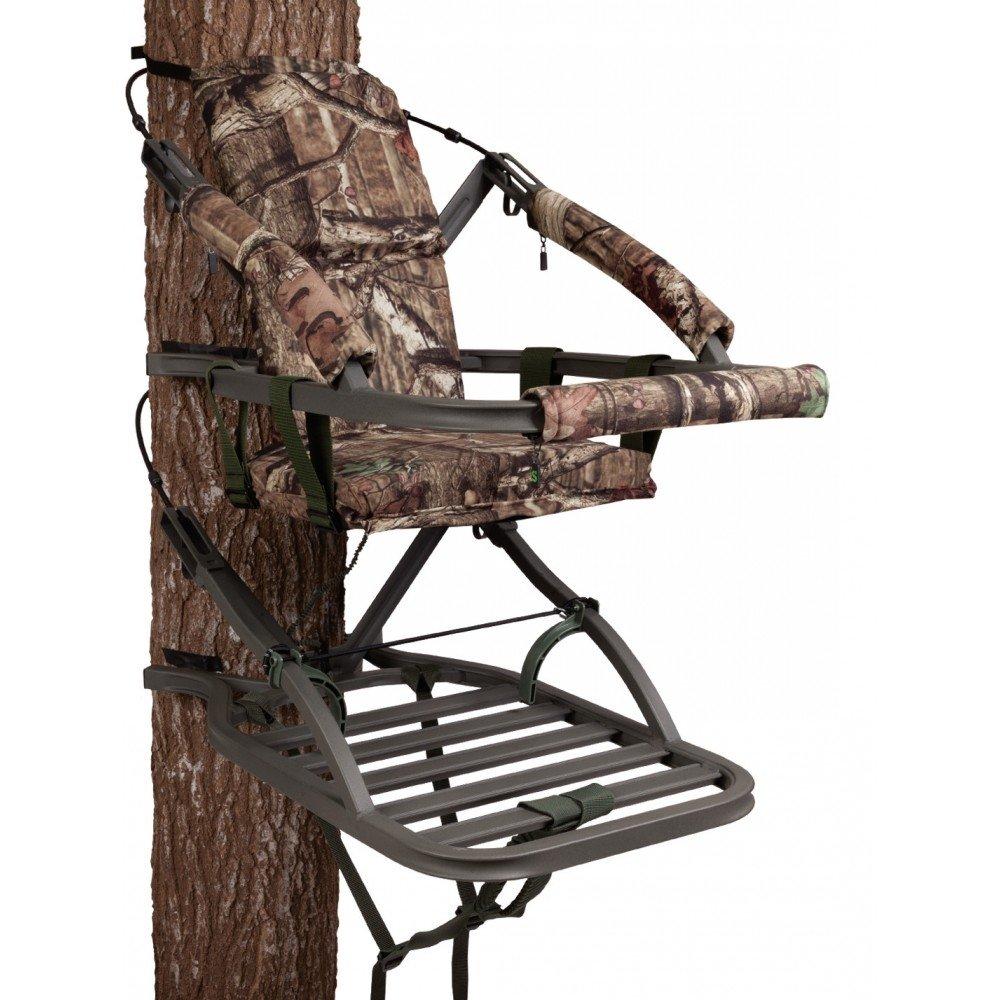
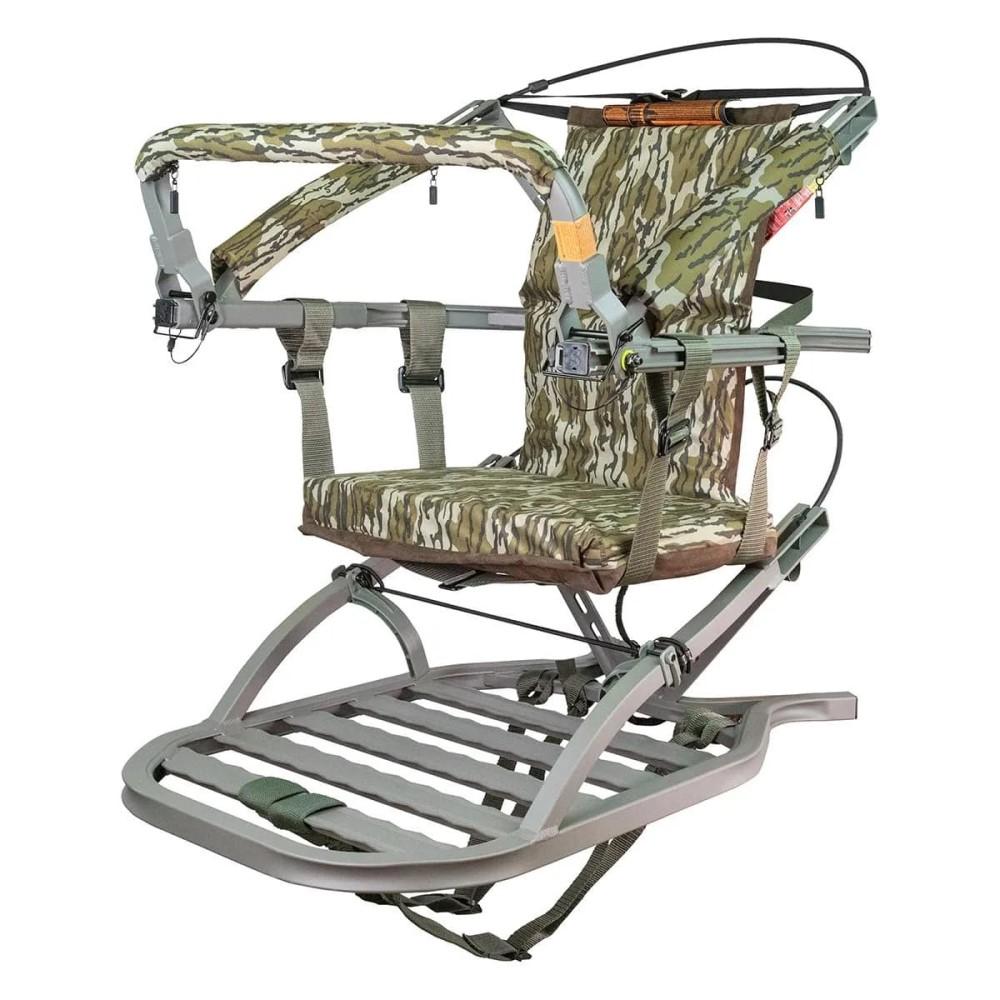
A treestand adds a climbing and fall risk that a ground blind does not. Build safe habits into every trip, not just the first time you hang the stand. Before each use, inspect the stand, straps, connections, and other components for wear or damage. Follow the stand and harness manufacturers’ instructions, and do not use equipment that looks compromised.
- Wear a properly fitted full-body harness and connect it before you leave the ground. Keep that connection in place while you climb into the stand, sit, and climb back down.
- Maintain three points of contact while climbing. Move carefully and avoid carrying items in a way that takes your hands off the climbing system.
- Use a haul line for your pack and firearm. Keep the firearm unloaded while you raise or lower it, and control it so it stays secured and pointed in a safe direction.
- Tell someone where you plan to hunt and when you expect to return. Carry a way to communicate and keep it accessible.
Set up the stand so you can sit comfortably without twisting to watch the main approach. Look for branches that could catch your gear or block a safe shooting lane. A stand that forces you to lean, stretch, or rush a shot has already given you the wrong answer.

When a ground blind earns its place
A ground blind suits longer sits, changing weather, and locations where no safe tree gives you the angle you want. It also gives you room to sit with a companion and a way to conceal ordinary movement. If you hunt with a young hunter, a blind can make the wait more manageable without asking them to stay balanced on an elevated platform.
Look for a location with enough cover to break up the outline of the blind and a clear view of the lanes you plan to watch. Set the blind up well before your hunt when you can, ideally days or weeks ahead, so deer can adjust to its presence. Brush it in with natural material from the area, but keep doors, windows, and exit routes clear. A blind should disappear into the setting, not turn into a surprise obstacle course.
Plan the inside before opening day. Place your seat at a height that gives you a comfortable view through the chosen window. Check that your firearm, scope, and rest clear the frame when you shoulder the rifle. Keep the floor quiet by clearing away loose sticks and anything that could crunch when you shift position.
Pay attention to light from the back window. Bright light behind you can outline your movement and make the interior easier to see from outside. Manage that window so it does not turn your blind into a glowing display case at first light.
Open the shooting window fully for an unobstructed view and a clear path for your firearm. If you plan to shoot through mesh, first follow the blind manufacturer’s guidance for that exact material and setup. Mesh can affect a projectile or shift the point of impact, so do not assume it behaves like open air.

Shot angles change with your setup
Your hunting position changes how a deer appears through the optic and how your rifle moves into place. A treestand creates an elevated, downward angle. At close range, that angle can feel steeper than you expect, and the visible target area can look smaller. Do not rely on a familiar bench-rest picture to tell you how a shot will feel from a seat above the ground.
A ground blind usually gives you a flatter angle, but a seated position can introduce its own constraints. Window height, seat height, and rifle position all affect what you can see and how naturally you can shoulder the firearm. A low window can force an awkward head position. A high window can leave the rifle or optic fighting the frame. Find out before the hunt, not while a deer waits outside.
Practice from the position you expect to use. For a treestand, rehearse from the height and seat where you will hunt, while following safe range practices. For a blind, practice seated from a similar chair height and with the window in the same position. In either case, use the same rest you plan to carry. Bench practice builds useful fundamentals, but it cannot fully reproduce a cramped window or the different angle from a stand.
During practice, confirm that you can shoulder the rifle smoothly, acquire a clear sight picture, and maintain control without bumping the frame or leaning beyond a stable position. Check your intended lanes from the seat, not just from outside the blind or at ground level beneath the stand. If a lane requires a rushed movement or an awkward posture, adjust the setup or choose another lane.
Match the setup to the spot
The best hunting setup follows the ground you have, the route you want to watch, and the view you can safely use. Start with a look at likely deer movement, nearby cover, access routes, and the position from which you can observe without unnecessary disturbance. Then decide whether a stand or blind gives you the better combination of concealment, comfort, and control.
- Food plot edges: A treestand can overlook a wider section of the plot and keep your position above the edge. A blind can work well where the plot lacks a suitable tree or where you want to sit with a partner.
- Funnels and travel corridors: A stand may help you see movement through an opening from above. A blind can fit a corridor with dense cover, but make sure the window faces the lane you intend to watch.
- Swamp and creek bottoms: A blind can make sense near heavy cover where climbing is impractical. A stand needs a safe, suitable tree and a workable route in and out.
- Pine thickets: A ground blind can fit a tight location with few clear climbing options. Brush it in and check the floor and surrounding lanes for noise and obstructions.
- Public-land pressure: Choose the position you can reach and leave with the least unnecessary disturbance. Visibility from a stand may help you watch movement, while a blind may give you a contained, concealed sit. Assess the people, access, and terrain around you before choosing.
- Private-land agricultural fields: A treestand can suit a field edge with a good tree and clear sight lines. A blind can give you flexibility along a corner or edge where trees do not cooperate.
Comfort and safety on the hunt
Eastern North Carolina weather can change the feel of a long sit, and your setup should account for that. A blind can block some wind and give you room to organize a seat, but damp ground and condensation can still affect comfort. A treestand keeps you off the ground, yet wind can make the seat feel colder and make quiet movement harder. Dress for the conditions you expect, and make comfort part of the plan instead of an afterthought.
Think about thermals and wind at both ends of the day. Air movement can shift as conditions change, so do not assume the morning pattern will hold through an evening sit. Pay attention to the direction your scent travels from either position, and plan access that does not take you through the area you hope to watch.
Keep the load simple. Extra equipment adds noise, slows your entry, and can clutter the space where you need to handle your firearm. Before you leave, make a quick check of your firearm, optics, seat or stand, harness if applicable, flashlight, communication device, and the rest you plan to use. In the blind, check window operation and clear the floor. In a treestand, check your climbing and safety equipment again.
Quick decision guide
Choose a ground blind if:
- You want more comfort for a long sit or need to share the hunt with a companion.
- Your spot lacks a suitable tree or sits near heavy cover where climbing does not make sense.
- You want a setup that conceals movement and allows a seated window position.
- You prefer easier entry and exit or want a sheltered place to manage changing conditions.
Choose a treestand if:
- You need a wider view across flat terrain, a food plot edge, or a travel corridor.
- You can reach a suitable tree and build the setup around careful climbing and harness use.
- You want to keep your movement and scent higher than the ground line.
- You can practice from the stand and confirm safe, comfortable shooting lanes before hunting.
If your property offers both options, keep both in your plan. A blind can fit the thick cover or field corner, while a treestand may better suit a plot edge or corridor. Match the setup to the location and conditions rather than forcing one piece of gear into every hunt.
Serving Eastern NC deer hunters
Iron Valor Armory is a home-based Type 07 FFL in Rocky Mount, NC, operating by appointment and serving hunters in Wilson, Tarboro, Greenville, Roanoke Rapids, Henderson, Goldsboro, Elm City, Sharpsburg, Bailey, Middlesex, Wake Forest, Clayton, Smithfield, Kinston, Knightdale, Rolesville, and Youngsville.
Choose your setup, then practice it
A ground blind and a treestand can both serve you well, but neither one makes the decision for you. Pick the setup that fits the terrain, lets you enter and exit safely, and gives you a stable position with a clear view of the lanes you plan to watch. Then practice from that position until the equipment feels familiar.
For hunting gear and accessories, contact Iron Valor Armory to arrange an appointment. Before you hunt, confirm current North Carolina seasons and methods with NCWRC. This article provides general information, not legal advice.
Published by Iron Valor Armory · Rocky Mount, NC 27803
Shop hunting & outdoors →Shop hunting & outdoors in stock
Related articles
All articles →
deer hunting
How to Field Dress a Deer: A Step-by-Step Guide for North Carolina Hunters
A practical, step-by-step guide to preparing your work area, handling a harvested deer carefully, making controlled cuts, and following North Carolina harvest-reporting requirements.
deer hunting
Deer Hunting With a Shotgun in North Carolina: Slugs, Buckshot, and Effective Range
Compare slugs and buckshot for North Carolina deer hunting, set a range based on your own tested pattern or group, and make safety and local rules part of every hunt.

North Carolina archery season
Archery Season Opens September 12: 5 Things to Check on Your Setup This Week
North Carolina archery season arrives soon. Use this five-step checklist to inspect your bow, arrows, sight, release, practice routine, and field safety before opening morning.