How to Buy Your First Handgun in North Carolina: Permits, Process, and What to Expect

October 13, 2026
Buying your first handgun in North Carolina is straightforward once you understand the steps. The confusing part is often the advice you find online. State rules changed in recent years, so an old forum post or a well-meaning friend may describe a process that no longer applies.
Here’s the reality: for a purchase from a federally licensed dealer, you’ll need to meet the legal requirements, show acceptable identification, complete the required federal paperwork truthfully, and go through the dealer’s background-check process. You do not need to rush. A clear plan makes the first purchase much easier.
Start with age, residency, and eligibility
Federal law generally prohibits a licensed dealer from selling a handgun to someone under 21. The rules for long guns differ, so don’t assume the age requirement for one type of firearm applies to another.
Handgun sales by a dealer generally require you to be a resident of the state where that dealer operates. If you live in another state, ask a dealer in your state about receiving the handgun and completing the transaction there. Residency questions can get complicated when you split time between states, so discuss your situation with the dealer before placing an order.
You also must be legally eligible to receive and possess a firearm. Federal law bars certain people, including people with qualifying felony convictions, fugitives from justice, and people who unlawfully use or are addicted to controlled substances. Other prohibitions can apply to people with certain mental-health adjudications or commitments, people unlawfully in the United States, people with a dishonorable discharge, people who renounced U.S. citizenship, and people with certain domestic-violence convictions or qualifying protective orders.
Those categories have legal definitions and exceptions. Don’t try to settle an unclear situation by guessing at a form question. If you have a past legal issue, get reliable guidance before starting a purchase. The dealer cannot decide that a legal restriction does not matter just because the paperwork seems straightforward.
Do you need a North Carolina purchase permit?
North Carolina previously required a sheriff-issued pistol purchase permit for many handgun purchases. The state repealed that requirement in 2023. For a dealer sale, the current process generally relies on the dealer’s required background check rather than a separate pistol purchase permit from the sheriff.
That change matters because older articles and checklists may still tell you to apply for a purchase permit first. Don’t rely on outdated advice. Requirements can change, and your circumstances may affect what documents a dealer needs. Confirm current rules with your county sheriff or current official sources before you make a purchase.

A concealed handgun permit is a separate process
A North Carolina concealed handgun permit, often shortened to CHP, is not the same thing as the former pistol purchase permit. It is issued by your county sheriff through a separate application process that includes fingerprinting and a background check.
A valid North Carolina concealed handgun permit can serve as an alternative to the instant background check at the point of a dealer purchase. That does not mean every dealer must handle the transaction the same way, or that a permit overrides other eligibility and identification requirements. Confirm with the dealer and your sheriff whether your permit qualifies for the transaction and whether the dealer will use it as an alternative check.
If you’re buying your first handgun and don’t already have a concealed handgun permit, you generally do not need to obtain one just to begin a dealer purchase. A permit is a separate credential with its own application and rules.
What to bring to the shop
Before your appointment, check with the dealer about what identification they accept. For a typical purchase, plan to bring a valid government-issued photo ID that shows your current name and address. If your identification doesn’t reflect your current residence, call ahead rather than assuming another document will solve the issue.
You’ll also need to complete the federal firearm transaction form, ATF Form 4473. Read every question carefully and answer truthfully, including questions about your identity, residence, and legal eligibility. If you don’t understand a question, ask the dealer to explain the wording. Don’t guess, leave out relevant information, or ask someone else to answer for you.
Be direct about past legal issues when you ask for guidance. A charge, conviction, order, or court outcome can have specific legal consequences. The name you remember for a case may not tell the whole story, so gather accurate records or consult a qualified attorney if you need legal advice.
What happens during the background check?
- The dealer verifies the transaction details. You provide your identification and complete Form 4473. The dealer reviews the paperwork for completeness and checks that the information is consistent.
- The dealer submits the background-check request. For a dealer sale, the dealer uses the applicable background-check process unless a valid qualifying alternative applies. Answer the form yourself and accurately.
- The system returns a result. A proceed result allows the transaction to continue, subject to the dealer’s review and all other legal requirements. A denial means the transaction cannot proceed as requested.
- A delay requires patience. A delayed response is not the same as a denial. It means the check has not returned an immediate proceed result. Do not treat a delay as approval or assume you can take possession. The dealer must follow applicable law and its procedures, and will tell you when the transaction can move forward.
A delay can happen when a record needs additional review or more information. It doesn’t automatically mean you did something wrong. Ask the dealer what to expect, but don’t pressure them to bypass a required check or release a firearm before the transaction is legally cleared.
How an FFL transfer works for an online purchase
If you buy a handgun from an online seller, choose a receiving dealer before you place the order. Contact the dealer first to confirm that they can receive the shipment, explain their process, and tell you what information the seller needs. Never assume an online checkout automatically arranges the local transfer.
After you make the purchase, the seller ships the handgun to the dealer you selected. The dealer receives it and handles the required intake and records. When the firearm is ready for your appointment, you complete Form 4473, present your identification, and go through the applicable background-check process. You take possession only after the transaction is cleared and the dealer confirms the handoff can proceed.
Iron Valor Armory’s FFL transfer fee is $25. Contact the receiving dealer before ordering so you understand the steps and avoid surprises after the package ships.
A transfer is not a shortcut around the rules. The receiving dealer must complete the required process, and the buyer must meet the same applicable eligibility requirements as a direct purchase.
Buying from a private seller is different
A private-party transaction does not work exactly like a purchase from a licensed dealer. Background-check practices, paperwork, and legal responsibilities can differ. Federal and state restrictions still matter, and some states require dealer involvement for certain private transfers.
Don’t rely on hearsay about what a private seller can do or what paperwork you can skip. Confirm the current North Carolina requirements with official sources or the county sheriff before arranging a private sale. If the details are unclear, pause the transaction and ask a qualified professional.
Choose a handgun you can handle confidently
Start with the job you need the handgun to do. A firearm for range practice, home storage, or another lawful purpose may call for different features. Be honest about your experience, how you plan to use it, and how much practice you’re prepared to do.
A revolver holds ammunition in a rotating cylinder and typically has a more direct manual layout. A semi-automatic handgun feeds cartridges from a magazine and cycles the action after each shot. Neither type is automatically the better first choice. Your comfort, ability to operate the controls, and willingness to learn matter more than someone else’s preference.
Caliber affects recoil, noise, ammunition choice, and how comfortable practice feels. More power does not automatically make a handgun a better fit. A smaller firearm may be easier to carry or store, but its size can make it harder for you to hold steadily or manage comfortably. The biggest and smallest options are rarely the right answer for every new owner.
Pay close attention to grip fit and trigger reach. Can you hold the handgun securely? Can you reach the controls without shifting your grip awkwardly? Can you operate the controls with instruction? Handling a firearm before purchase, with the dealer’s permission and under their direction, helps you answer those questions. Ask the dealer to explain the basic features and safe handling expectations.
Choose a firearm you can control and practice with consistently, not one that looks impressive in a photograph. You are the one who will live with the fit.
Check the ammunition and included accessories
Match ammunition to the exact chambering marked on the firearm. Never choose a cartridge based on appearance or assume that similar names mean interchangeable ammunition. If you are unsure, stop and ask the dealer to confirm the correct type.
Before you leave, confirm what comes with the handgun and what you still need. Check the contents listed by the seller or manufacturer, then ask the dealer to explain any unfamiliar item. Don’t assume a case, lock, extra magazine, or other accessory is included unless the seller confirms it.
Make safe storage part of the purchase
Plan where the handgun will be stored before you bring it home. Use a secure, locked container or safe that prevents access by children, visitors, and anyone who is not authorized to handle the firearm. A firearm should never sit loaded where an unauthorized person can reach it.
Store ammunition separately when practical. A lockable pistol box, a secure safe, a cable lock, or an action lock can help limit access. Choose storage that fits your home and the people who may visit it, then use it consistently. A lock only helps when you actually secure the firearm.

Think about vehicle transport before you travel with a firearm. State and federal rules can apply, and the details may depend on where you are going and the circumstances. Check current official guidance for your route and destination instead of relying on a general rule of thumb.
Learn first, then build a practice routine
An introductory firearm safety class gives you a structured place to learn safe handling, basic operation, and responsible ownership. Ask a qualified instructor about a course that suits your experience level. A few hours of good instruction can help you build a much stronger foundation than trial and error.
Practice at a range and follow its rules. If you practice handling at home, use an empty firearm, verify that it is unloaded, and keep all ammunition out of the room. Treat the firearm as if it could be loaded, keep it pointed in a safe direction, and keep your finger away from the trigger unless you are ready to fire in an appropriate setting.

Build confidence before you carry or store a loaded handgun. Learn its controls, follow the manufacturer’s instructions, and continue practicing safe habits. Ownership brings responsibility every time, not just on the day you make the purchase.
Schedule an appointment and verify current rules
Iron Valor Armory is a home-based Type 07 FFL in Rocky Mount, NC, open by appointment. To discuss a purchase or an incoming transfer and arrange a time to visit, call (252) 439-1074. You can also visit the Iron Valor Armory website for more information.
Before you buy, confirm current North Carolina requirements with your county sheriff or current official sources. Laws and procedures can change, and your situation may involve details this guide cannot address.
This article is general information, not legal advice. For guidance about your eligibility or a specific legal issue, consult a qualified attorney or the appropriate official source.
Published by Iron Valor Armory · Rocky Mount, NC 27803
Shop firearms →Shop firearms in stock
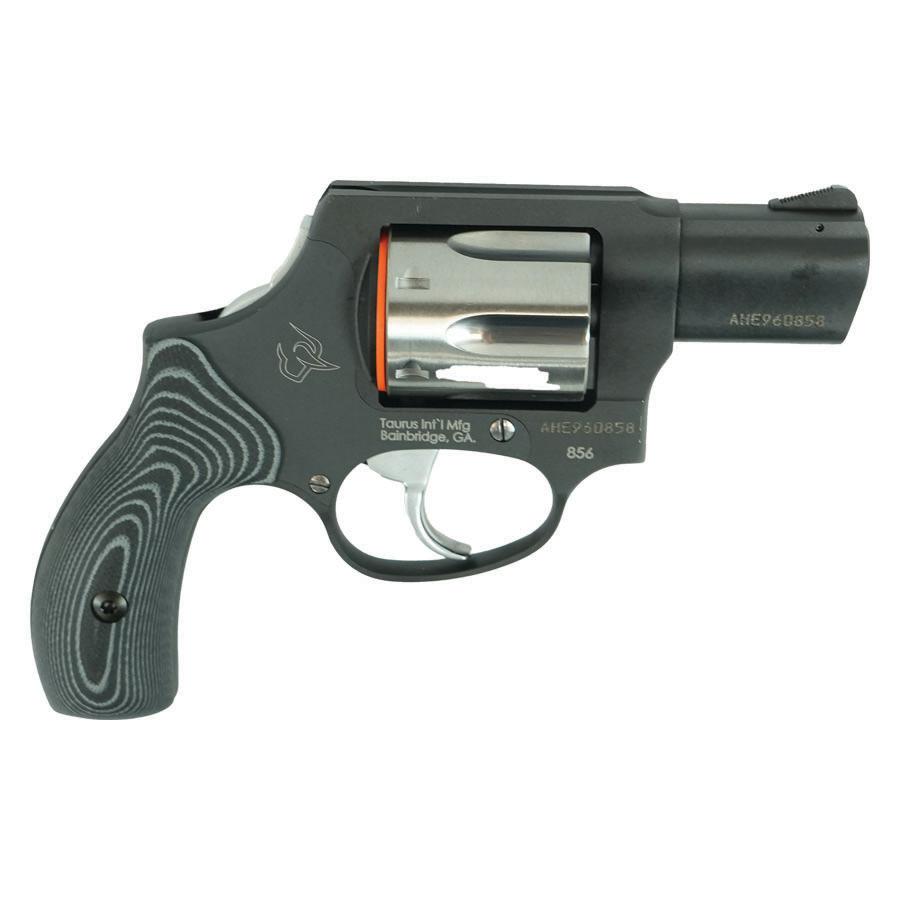
Taurus International Inc.
Taurus 856 Concealed Hammer Handgun .38 Spl 6rd Capacity 2" Barrel Matte Black Finish/Stainless Cylinder Grey VZ Grips
$356.49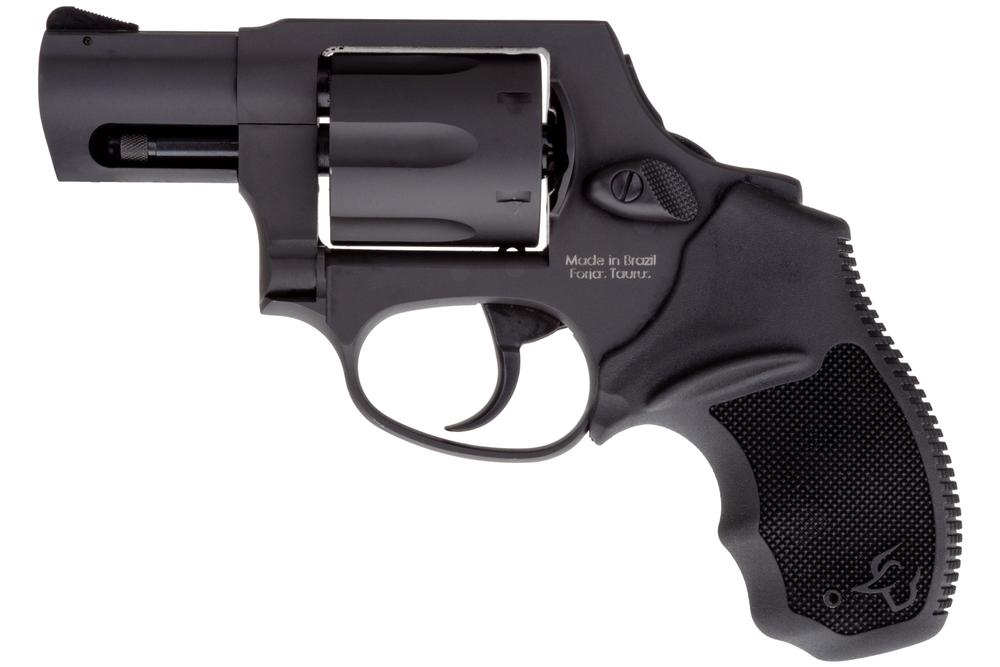
Taurus International Inc.
Taurus 856 Handgun w/Concealed Hammer .38 SPL 6rd Capacity 2" Barrel Black Frame
$430.99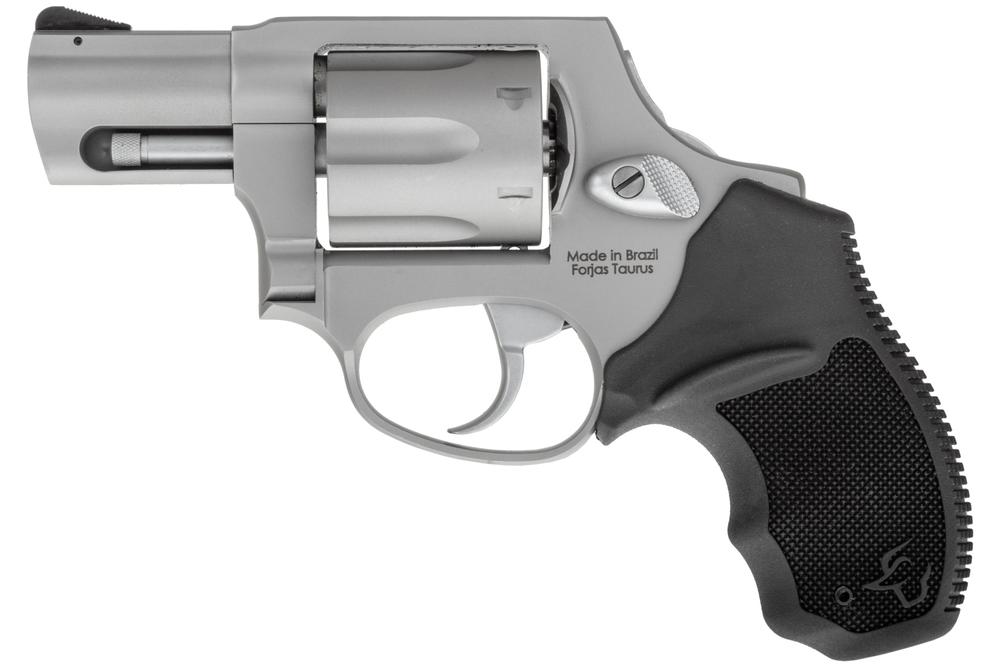
Taurus International Inc.
Taurus 856 Handgun w/Concealed Hammer .38 Spl(+P) 6rd Capacity 2" Barrel Black/Stainless Frame
$446.99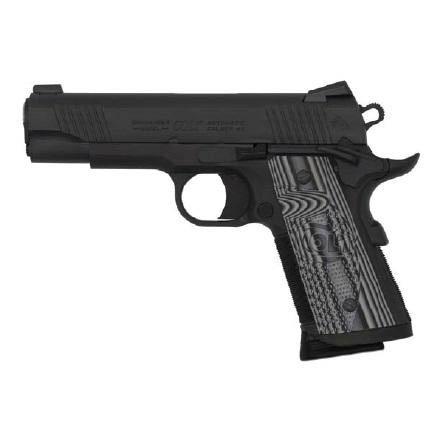
Colt Manufacturing
Colt CCU Concealed Carry Officers Handgun .45 Auto 7rd Magazine 4.25" Barrel Anodize\Black DLC Finish
$1,321.35Sale
Related articles
All articles →
gifting a firearm
How to Gift a Gun for the Holidays: A Legal Guide to Buying Firearms as Gifts in North Carolina
Buying a gun as a gift is legal, but the rules that separate a legitimate present from a straw purchase matter. Here is how North Carolina hunters and families can do it right.

rifle cleaning
How to Clean and Store Your Rifle After Deer Season: A North Carolina Hunter's Guide
After your last deer hunt, give your rifle a thorough, model-specific cleaning and store it for the months ahead. This practical guide covers safe unloading, bore and action care, stock and optic inspection, humidity control, and separate ammunition storage.

sighting in a rifle
Sighting In Your Rifle Before Deer Season: Zero, Ammo, and Field Checks
The week before North Carolina's Northeastern Zone gun season opens is the time to confirm your rifle zero, not to discover a problem at first light. Learn how to choose a zero, use your hunting load, read groups, and check your rifle from field-ready positions.