How to Gift a Gun for the Holidays: A Legal Guide to Buying Firearms as Gifts in North Carolina

Every December, someone walks into a gun shop with a simple plan: buy a rifle or a handgun for a family member, wrap it up, and hand it over on Christmas morning. It sounds straightforward. It mostly is. But there are a handful of rules that decide whether that present is a perfectly legal gift or something that can land both people in serious trouble.
The short version is that buying a firearm as a genuine gift is legal in the United States, including in North Carolina, as long as the person receiving it is legally allowed to own one and you are not buying it on their behalf with their money. The long version involves a federal form, a background check, some age limits, and a distinction between handguns and long guns that trips people up every holiday season.
This guide walks through the whole thing the way we would walk a customer through it at the counter. What a bona fide gift actually means, who can legally receive one, how a licensed dealer handles the paperwork, what changes if the recipient lives in another state, and a few gift ideas for the people on your list who already own more guns than they admit to.
The legal core: a gift versus a straw purchase
This is the part that matters most, so it goes first.
Federal law prohibits a licensed dealer from transferring a firearm to someone the dealer knows or has reasonable cause to believe is not the actual buyer. That is the straw purchase prohibition, and it exists to stop people who cannot legally buy a gun from using someone else as a front.
A true gift is different. If you are spending your own money to buy a firearm for another person, with no expectation of repayment and no arrangement where they are really the buyer, that is generally treated as a legitimate gift rather than a straw purchase. The critical word is your own money. The moment a friend hands you cash and asks you to pick up a pistol because he is not sure he would pass a background check, you are no longer giving a gift. You are participating in a federal crime.
There is a second layer that catches people who mean well. When a licensed dealer runs the transaction, the person who fills out the federal form and undergoes the background check must be the actual transferee. In a gifting situation handled correctly at a dealer, that is the recipient, not the person paying the bill. A common approach is to purchase a gift certificate or arrange with the dealer to have the recipient come in, choose the firearm, complete the paperwork, and pass the check before the firearm goes home.
That arrangement protects everyone. It keeps the giver out of the paperwork they should not be signing, it keeps the dealer compliant, and it makes sure the person who ends up with the gun is legally eligible to have it.
Who can legally receive a firearm as a gift
The person receiving the gift has to be legally able to possess a firearm. That rules out anyone who falls into a prohibited category under federal or state law, which includes people convicted of certain crimes, people subject to qualifying protective orders, and people prohibited for other reasons recognized by law.
You cannot know everything about another adult's record, and the law does not expect you to run a background check on your brother-in-law. What it does expect is that you do not hand a firearm to someone you know or have good reason to believe is prohibited. If a family member has a felony conviction, an active protective order against them, or a history that makes you uneasy, that is not a gift you should be arranging. It is a conversation you should have with a lawyer instead.
There is also a practical point that has nothing to do with eligibility. Not everyone wants a firearm. A gift that sits unused in a closet because the recipient was too polite to say no is not a good gift, and it is a firearm that ends up stored carelessly. Ask first. A quick, direct conversation avoids a lot of awkwardness later.
Handguns and long guns: the rules are not the same
North Carolina and federal law treat handguns and long guns differently in several ways, and this is where gift purchases get complicated.
Buying from a licensed dealer
Under federal law, a licensed dealer may not sell a handgun to a person under 21, and may not sell a rifle or shotgun to a person under 18. Those age floors apply to dealer sales regardless of whether the transaction is a gift.
For handguns, North Carolina changed its process in recent years. The state's old pistol purchase permit system, which required a sheriff issued permit before buying a handgun, was repealed in 2023. Handgun purchases from a licensed dealer now run through the federal background check system, though a valid North Carolina concealed handgun permit can serve as an alternative to that check under federal rules. If you are working from older information, or from a relative who bought a pistol a decade ago, the process you remember may no longer apply.
Private gifts between North Carolina residents
North Carolina does not require a background check for a private transfer between state residents, whether the firearm is a handgun or a long gun. That means a genuine gift handed directly from one eligible North Carolina resident to another, with no dealer involved, generally does not require paperwork.
That does not make it a free for all. You still cannot knowingly transfer a firearm to a prohibited person. North Carolina also treats giving or transferring a handgun to someone under 18 as a serious felony offense, with very limited exceptions. Federal law separately restricts handgun possession by people under 18 in most circumstances.
The 18 to 20 age range deserves its own caution. A person in that window can legally buy a rifle or shotgun from a dealer and can generally receive a long gun as a private gift. Handguns are murkier, because federal dealer rules set the floor at 21 while private transfer rules are read differently by different courts and agencies. If you are considering gifting a handgun to someone under 21, stop and get a straight answer from an attorney or from the dealer handling the transfer. This is not the area to guess.
Gifting across state lines
Here is a rule that surprises almost everyone. If the person receiving the gift lives in another state, you generally cannot hand them a firearm in person and call it done, even if you are standing in your own living room.
Under federal law, an unlicensed person may not transfer a firearm to a resident of another state. The transfer has to go through a licensed dealer in the recipient's state of residence, who will handle the paperwork and the background check on that end. That applies to long guns and handguns alike, and it applies whether money changes hands or not.
So if your son is stationed in Texas, or your daughter lives in Virginia, the practical path is to contact a dealer near them, arrange the transfer, and let the firearm ship there. Many dealers handle this routinely. What you should not do is drive the gun across state lines, hand it over, and assume the family connection makes it fine.
There is one narrow exception involving adjacent states for long guns, and the details are specific enough that it is not worth relying on a summary paragraph. Ask the dealer. They do this every week.
How the process works at a licensed dealer, step by step
If you want to buy a specific firearm as a gift through a dealer, here is how to keep it clean.
- Decide on the gift and confirm the recipient wants it. A conversation up front saves everyone trouble, and it lets you choose something that actually fits how they hunt or shoot.
- Talk to the dealer before you pay for anything. Explain that this is a gift, name the recipient, and ask how they want to handle the transfer. Good dealers do this constantly and will tell you what works in their shop.
- Use the gift certificate approach when the recipient can come in. You pay for a gift certificate or place a hold, the recipient comes in, selects the firearm, completes the federal form as the actual buyer and transferee, passes the background check, and takes it home legally. This is the cleanest version of the transaction.
- If the recipient cannot come in before the holiday, keep it symbolic. Give a card, a certificate, or a wrapped accessory with the plan already arranged. The firearm stays at the dealer until the recipient completes the paperwork in person.
- Never sign the federal form on someone else's behalf. The form asks whether the person completing it is the actual buyer or transferee. If that answer would not be true, the transaction should not happen that way.
- Confirm the recipient's state of residence. If it is not North Carolina, the transfer needs a dealer in their state.
What the recipient actually does at pickup
At the counter, the recipient completes ATF Form 4473. That form asks for identifying information and a series of eligibility questions, and it includes a certification that the person completing it is the actual buyer or transferee of the firearm.
The dealer submits the required background check and either proceeds, delays, or denies based on the result. A delay is not a denial. It means more time is needed, and the dealer will explain the process. A denial means the transfer does not happen, and no amount of explanation from the giver changes that outcome.
The recipient will need valid identification matching the address requirements for the transfer. Dealers also follow state rules about residency documentation. Ask what to bring before the appointment so nobody makes two trips.
Common mistakes that turn a good gift into a bad idea
- Taking cash from the recipient. Once they pay you back, it is their purchase and your name on the paperwork, which is the definition of a straw purchase.
- Buying a handgun for someone under 21 without checking. Age rules differ between dealer sales, private transfers, and state law. Verify before money moves.
- Assuming a private gift needs no thought. Even where paperwork is not required, knowingly transferring to a prohibited person is a crime, and handguns to minors are treated severely in North Carolina.
- Handing a gun to an out-of-state relative in person. Cross state transfers generally require a dealer in the recipient's home state.
- Surprising someone at a party. A firearm should never be unwrapped and passed around in a room with children, alcohol, or a crowd. If you want the moment to be a surprise, give a certificate and let the recipient pick it up properly.
- Forgetting how it will be stored. A gift that arrives with no safe storage plan is a gift that creates a risk. Include a lock or a case, and talk about where it will live.
Gift ideas beyond the firearm itself
Plenty of hunters and shooters would rather choose their own gun. For those people, the better gift is often in the supporting gear, and it is usually easier to buy, wrap, and hand over.
- Ammunition: the most appreciated and least complicated gift in this hobby, provided you know the exact chambering and load. Wrong caliber ammo is a paperweight.
- Optics and mounts: a quality scope, a red dot, or good binoculars. Confirm the mounting pattern and intended use before you buy.
- Firearm accessories: slings, bipods, shooting sticks, cleaning kits, a solid range bag, or protective cases.
- Hearing and eye protection: electronic earmuffs and quality shooting glasses are the kind of gift people use every single range trip and rarely buy for themselves.
- Safe storage: a lockable case, a cable lock, or a small safe. Practical, legal everywhere, and genuinely useful.
- A gift certificate from a shop you trust: the safest way to give a firearm without guessing. The recipient picks what fits, completes the paperwork, and everyone stays on the right side of the rules.
If the person is new to hunting, consider pairing an accessory with something experiential, like covering a hunter safety course or a range session together. Gear gets used. A good first season gets remembered.
How we handle holiday gift purchases
Iron Valor Armory is a home-based Type 07 FFL in Rocky Mount, North Carolina, and we work by appointment. That matters for gift purchases in a useful way: we can schedule the recipient's visit properly, walk through the paperwork without a line behind them, and make sure the transfer is done right the first time.
When someone contacts us about a gift, we start with the same questions. Who is the firearm for, where do they live, how old are they, and will they be able to come in to complete the transfer. From there we can usually tell you in a few minutes whether the gift is straightforward or whether it needs a closer look.
We also handle transfers for firearms purchased elsewhere, which is a common path for gift buyers who find something online and need it shipped to a licensed dealer for the recipient. If you are arranging that, tell us up front that it is a gift and who the intended recipient is, so nothing gets processed in the wrong name.
Serving hunters and families around Rocky Mount
Iron Valor Armory serves customers across the region from our home base in Rocky Mount, NC, including Wilson, Tarboro, Greenville, Roanoke Rapids, Henderson, Goldsboro, Elm City, Sharpsburg, Bailey, Middlesex, Wake Forest, Clayton, Smithfield, Kinston, Knightdale, Rolesville, and Youngsville. If you are planning a gift and want to sort out the details before the holidays arrive, reach out through Iron Valor Armory and we will set up an appointment.
A legal disclaimer, and why it belongs in a gift guide
Firearm laws change, and they can differ based on facts that are easy to overlook, including the recipient's age, state of residence, and record. Nothing in this article is legal advice, and reading it does not create any kind of professional relationship.
Before you complete a firearm gift, verify the current federal requirements and current North Carolina law, and ask the licensed dealer handling the transfer to confirm the specifics of your situation. When the facts are unusual, or when a handgun and a recipient under 21 are both involved, talk to a qualified attorney. That conversation costs far less than getting it wrong.
The holidays are a good time to give someone a firearm they will use for years. A little care with the process makes sure the gift stays what it was meant to be.
Published by Iron Valor Armory · Rocky Mount, NC 27803
Shop firearms →Shop firearms in stock
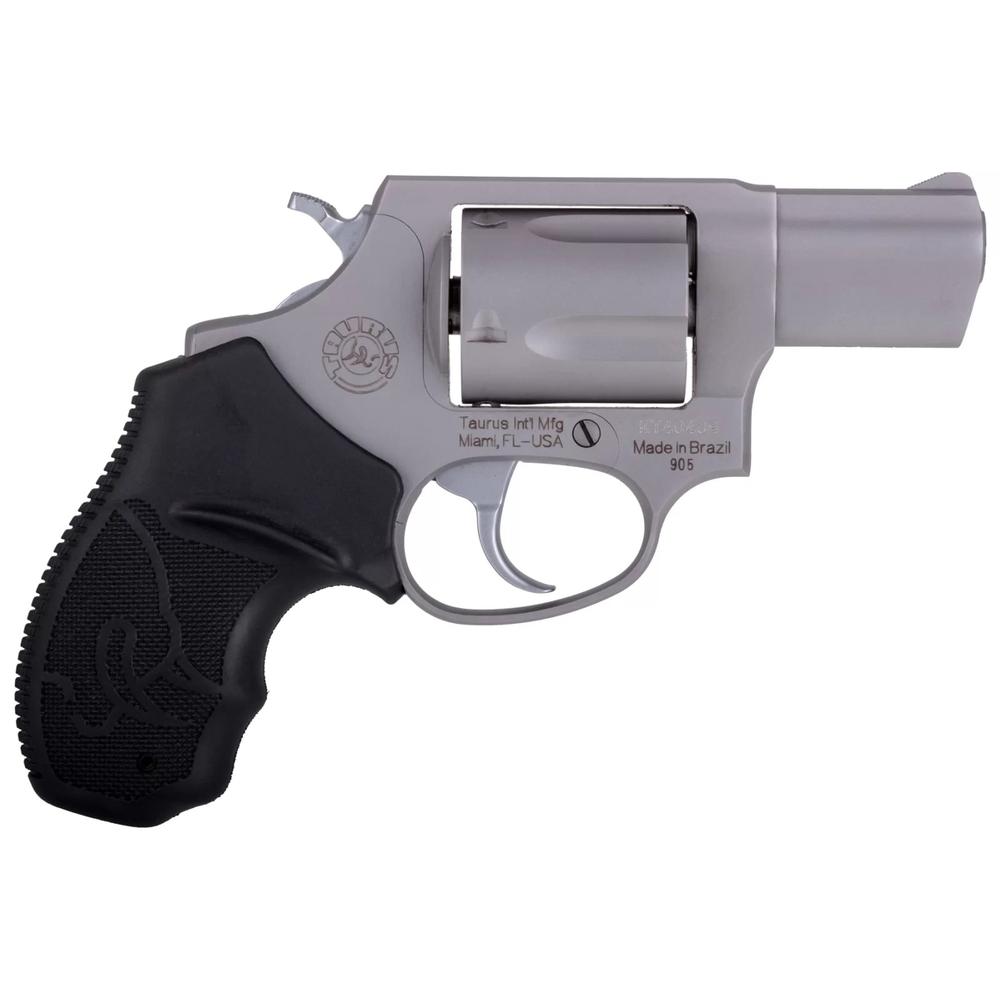
Taurus International Inc.
Taurus 905 Stainless Steel Revolver 9mm Luger 5rd Capacity 2" Barrel Transfer Bar Safety
$480.99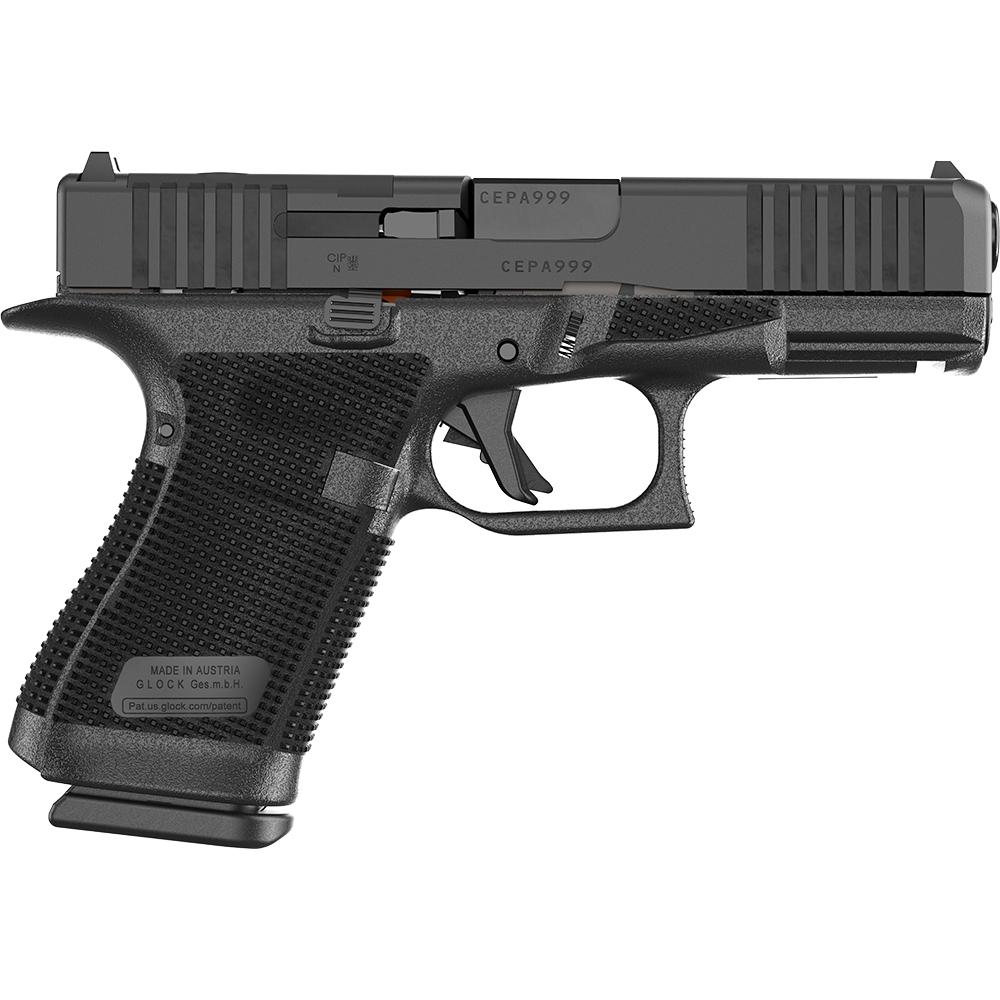
Glock Inc.
Glock 19 Gen 6 Handgun 9mm Luger 15rd Magazines (3) 4.02" Barrel Black Austria
$627.90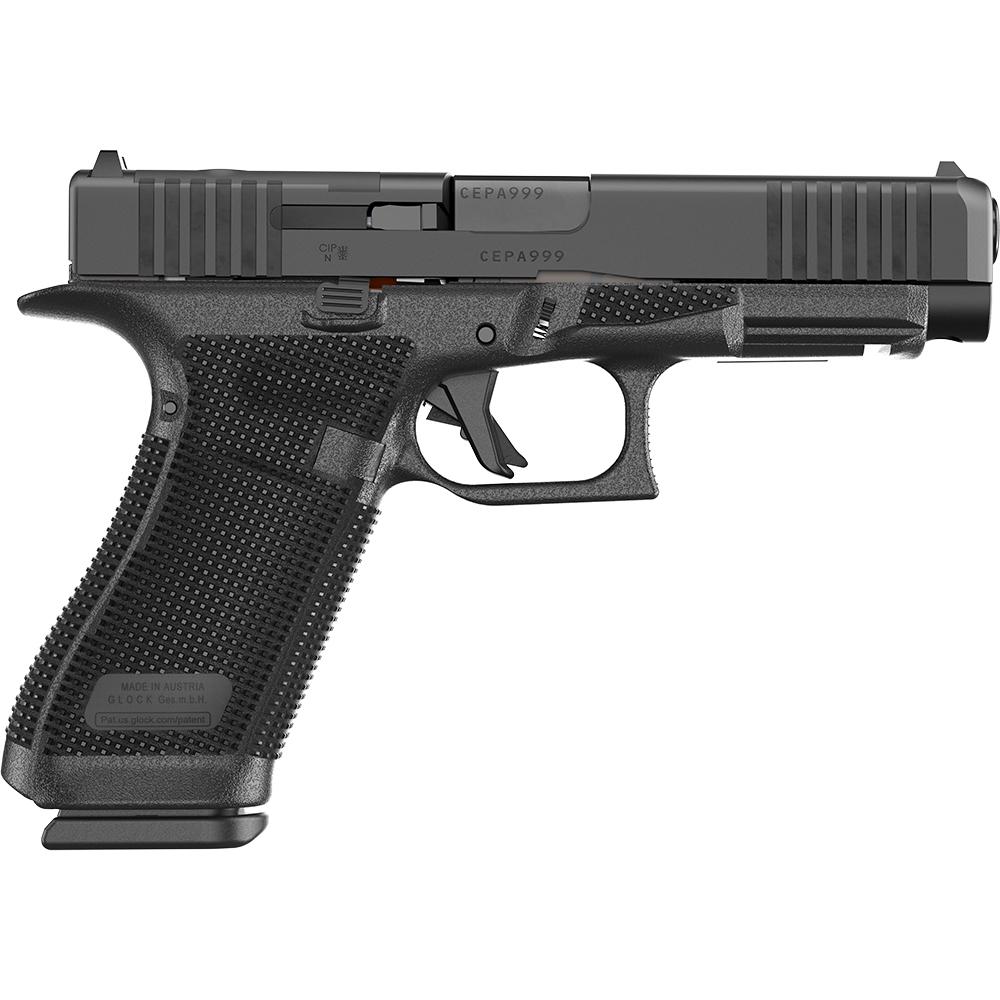
Glock Inc.
Glock 17 Gen 6 Handgun 9mm Luger 17rd Magazines (3) 4.49" Barrel Black Austria
$627.90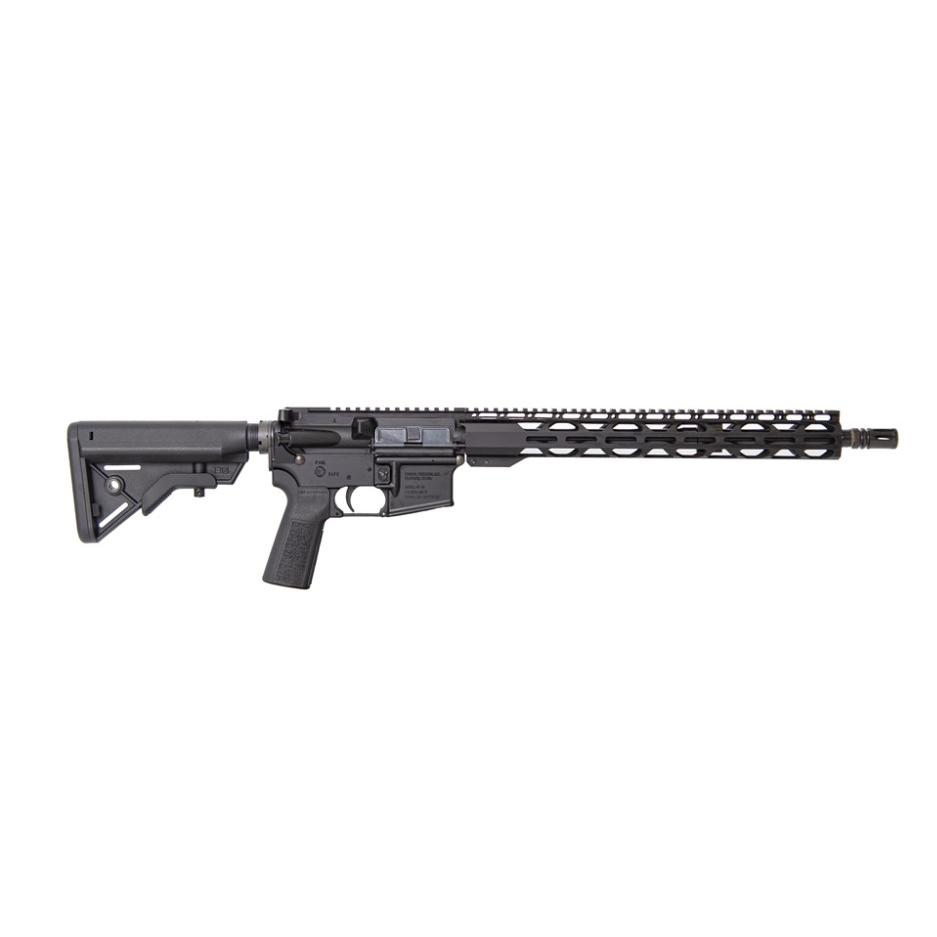
Radical Firearms
Radical Firearms Mil-Spec NATO Rifle 5.56mm 30rd Magazine(1) 16" Barrel RPR SOCOM Adjustable Stock
$459.99
Related articles
All articles →
AR-15
7 Mistakes You're Making with Your AR-15 (and How to Fix Them Before Opening Day)
Before opening day, your AR-15 needs more than a quick glance and a fresh box of ammo. Use this seven-point checklist to inspect your rifle, secure your optics, verify your magazines, confirm your point of impact, and practice with your actual hunting setup.

hunting suppressors
Do You Really Need a Suppressor for Hunting? Here's the Truth
A suppressor can reduce noise, recoil, and muzzle rise while helping you spot shots, but it also adds weight, length, cost, and a federal approval timeline. Here is what North Carolina hunters should know before buying one.

North Carolina deer hunting
Wet-Weather Deer Hunting in North Carolina: How to Keep Your Rifle, Optics, and Hunting Gear Running
Rain, fog, heavy dew, and mud do not have to end your North Carolina deer hunt. Use this practical wet-weather system to protect your rifle, optics, ammo, clothing, and firearm accessories.