
Wet-Weather Deer Hunting in North Carolina: How to Keep Your Rifle, Optics, and Hunting Gear Running

North Carolina October weather does not need to cooperate with your deer season plans. Rain rolls through, fog settles into the timber, heavy dew soaks the brush, and warm humidity turns a short walk to the stand into a full equipment test.
That matters during the muzzleloader window and the run-up to the October 17 gun deer opener in the Northeastern zone. Your rifle, optics, ammo, clothing, and firearm accessories all need a plan before the first steady shower arrives.
Here is the reality: wet-weather hunting rewards preparation, not optimism. Pack for water, protect the parts that matter, and dry everything before you put it away. Your gear does not need to be fancy. It needs to work.
Start With a Weather-Ready Rifle
Rain creates three immediate problems for a deer rifle: exposed metal can rust, water can enter the bore or action, and unfinished or poorly sealed stocks can absorb moisture. None of those problems improves with time in the truck.
Before you leave, inspect the action, bolt, trigger area, scope mounts, sling swivels, and barrel. Apply a very light coat of a quality rust-preventive gun oil to exterior metal. Keep the coating light. Too much oil attracts grit, and wet grit has a talent for finding every moving part.
Wood stocks deserve extra attention. Water can raise the grain, swell inletted areas, and change how the stock contacts the barrel or action. Wipe down a wood-stocked rifle before and after every wet hunt, and maintain the finish according to the manufacturer’s instructions. Synthetic stocks avoid swelling, but they do not make the metal inside the action waterproof.
Keep the muzzle pointed down while walking through rain or wet brush. Do not rest the rifle directly on muddy ground. A clean, temporary muzzle cover may help keep water and debris out, but use only a method approved for your firearm and remove it before loading or firing. Nothing belongs in the bore when you take a shot.
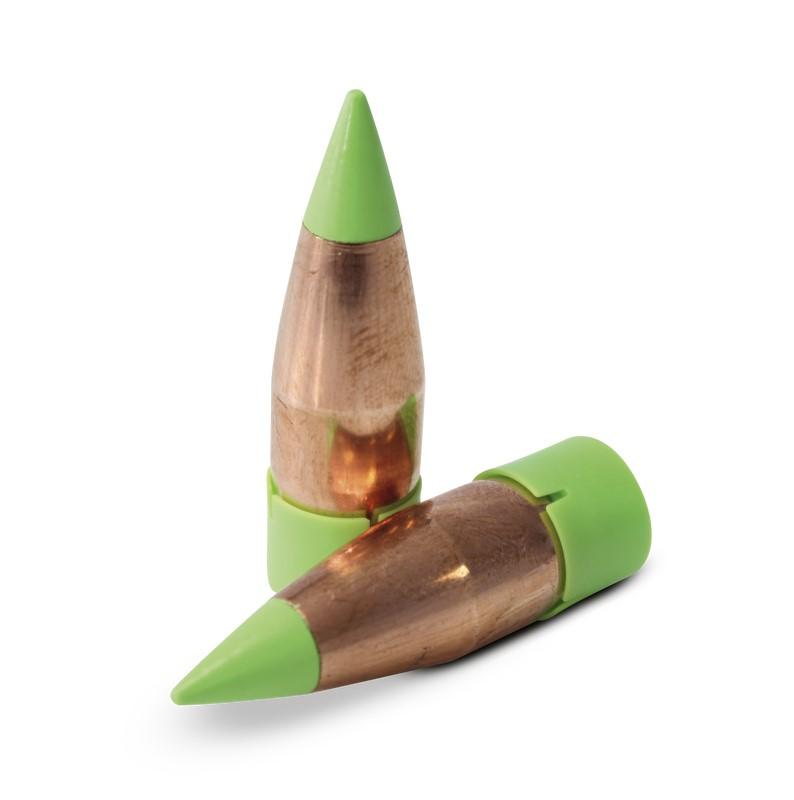
Muzzleloader Weather Protection Matters More Than Usual
Moisture and muzzleloaders make poor hunting partners. During the muzzleloader window, keep powder, primers, pellets, bullets, and loading equipment in sealed containers inside a waterproof pouch or dry bag. Do not rely on a pack’s exterior fabric alone.
Water can compromise propellant and primers, contribute to misfires, and create dangerous uncertainty about whether a charge ignited correctly. If a component gets visibly wet, replace it. A deer hunt is not the place to conduct a moisture experiment.
When conditions turn ugly, load under shelter whenever practical. A blind, roofed stand, or carefully managed rain cover gives you a better chance of keeping the bore, ignition system, and components dry. Follow the firearm manufacturer’s loading and cleaning instructions every time, especially if you hunt with a modern inline muzzleloader.
Keep Scope Glass Clear in Rain and Fog
A fogged scope can ruin a perfect setup faster than a nervous deer can disappear. The fix starts with prevention.
Use sturdy flip-up scope covers and keep them closed while walking, climbing, or waiting through a shower. Butler Creek-style caps remain popular because they offer simple, fast protection without adding much weight. The best cover is the one you can open quietly and confidently when a deer steps into view.
Protect the scope’s exterior lenses from rain, but also manage condensation. Moving a cold optic into a warm truck can create fog on the lenses and, in extreme cases, condensation around seals. Leave equipment in a case or covered pack while it adjusts to temperature changes instead of opening it immediately in a heated vehicle.
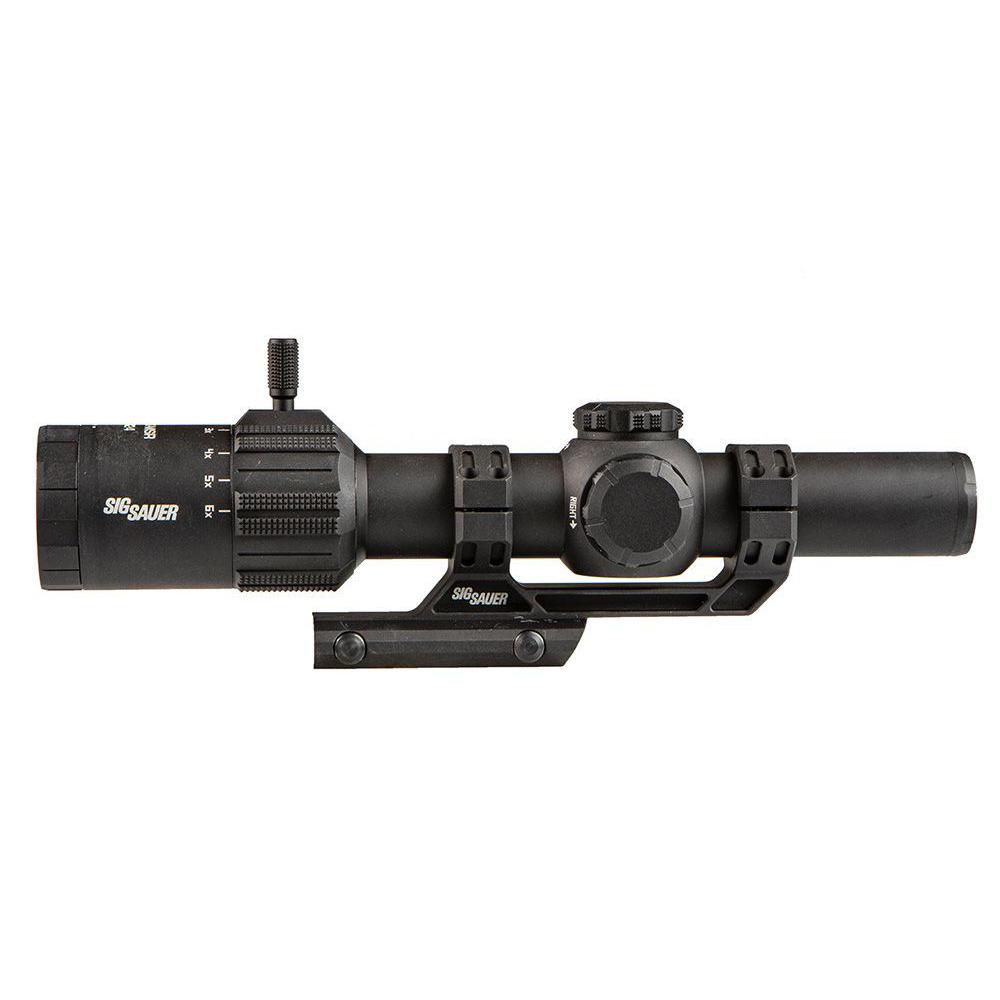
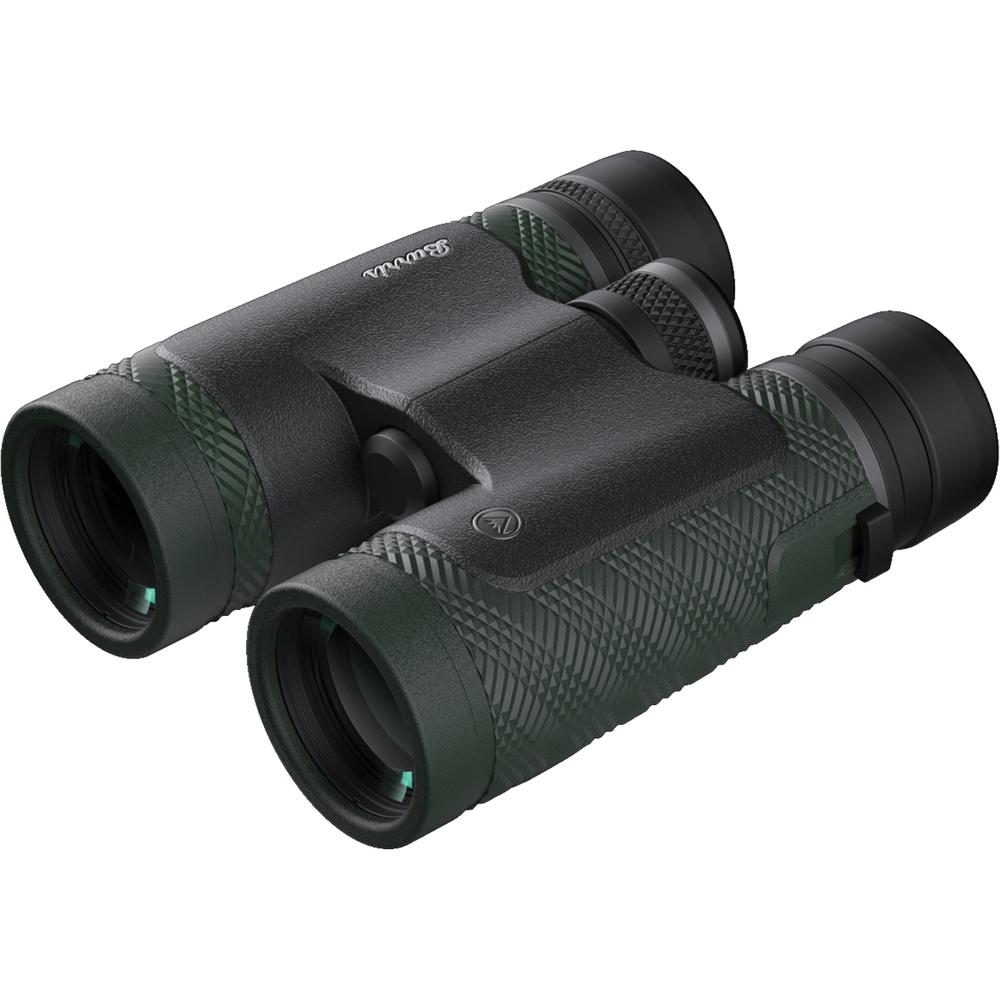
Carry a clean microfiber cloth in a waterproof pocket. Never wipe muddy or gritty lenses with a wet sleeve. That is how small scratches become permanent optical problems. Keep binoculars and spotting scopes inside a covered harness or pack until you need them, and protect a rangefinder in a sealed pouch rather than an exposed mesh pocket.
Keep Ammo Dry and Inspect It Before the Hunt
Modern ammunition handles normal field conditions well, but “water resistant” does not mean “happy after sitting in a soaked shell holder all morning.” Water can encourage corrosion on brass, primers, and projectiles. It can also work into cartridge interfaces or damage packaging, creating reliability concerns when you need a clean ignition.
Store rifle ammunition in its original packaging inside a zippered waterproof pouch or compact dry bag. Avoid leaving cartridges exposed on the outside of your pack or in an uncovered stock sleeve during sustained rain. Check each round before loading. Set aside anything with corrosion, damaged components, contaminated primer areas, or questionable condition.
For muzzleloader ammunition, separate dry components from wet clothing and used cleaning items. Label your containers clearly, keep them closed, and avoid opening them repeatedly in blowing rain. Good organization prevents the classic wet-weather mistake: exposing every charge while searching for one.
You can browse ammunition and reloading supplies at Iron Valor Armory, and you can confirm current North Carolina requirements through the North Carolina hunting regulations before heading out.
Choose Hunting Apparel That Breathes at 70 Degrees
Cold rain is uncomfortable. Warm, humid rain is sneaky. You can become soaked from the inside before you notice the rain outside.
Wear a moisture-wicking synthetic or merino base layer and skip cotton. Add a light insulating layer only when conditions require it. Your outer layer should block rain and wind while offering enough breathability for a long walk to the stand.
In 70-degree humidity, lightweight hunting gear wins. Look for quiet rain jackets and pants with pit zips, side vents, two-way openings, or other heat-dump features. Rubberized rainwear may keep water out, but it can also trap sweat and announce every movement with a loud crinkle. Deer have excellent hearing. They do not need a weather report to know you are approaching.
Heavy dew creates the same problem as rain when you push through tall grass and wet brush. Waterproof pants, gaiters, and boots with secure collars keep water from running into your socks. Wear moisture-wicking socks and pack a dry spare pair in a sealed bag.
Your boots should match the ground you hunt. Mud, standing water, creek crossings, and slick ladders demand reliable traction and waterproof construction. Inspect the soles before the season and replace worn laces or damaged waterproofing. Wet feet shorten patience quickly.
Use Packs, Slings, and Accessories That Do Not Become Sponges
Choose a hunting pack with a built-in rain cover or carry a dedicated cover that fits over the loaded pack. Put critical items inside smaller waterproof pouches even when the pack claims to be water resistant.
Protect your license, phone, batteries, headlamp, rangefinder, first-aid kit, fire starter, extra gloves, and ammo. Keep electronics away from exterior pockets. A pack can look dry on the outside while water quietly collects at the bottom.
For slings, favor coated nylon, synthetic webbing, or other quick-drying materials. Avoid thick absorbent padding that stays wet against your shoulder and adds weight throughout the hunt. The same rule applies to firearm accessories: choose mounts, bipods, shooting rests, and hardware that resist corrosion and remain usable with wet hands.
Browse firearm accessories and gear for slings, cleaning products, tactical gear, and other equipment that supports a dependable field setup. If you need a scope or binoculars, Iron Valor Armory also carries optics and sights for hunting and shooting applications.
Handle a Wet Firearm Safely in the Field
Rain changes how you handle equipment. Wet hands reduce grip, muddy ground creates unstable rests, and slick stand steps increase the consequences of a rushed movement.
Use your sling when walking, keep the muzzle pointed in a safe direction, and maintain your normal trigger discipline. Treat the firearm as loaded until you personally confirm otherwise. When climbing, use a safe system that leaves both hands available whenever possible, and follow your treestand manufacturer’s instructions.
Do not force a shot through heavy rain, fog, or wind if you cannot clearly identify the target and the background. A wet day can provide excellent concealment for movement, but it can also reduce visibility and make an ethical shot more difficult.
Your Post-Hunt Drying and Cleaning Routine
The most important wet-weather habit starts when you return to the truck or house: do not put wet gear away and promise yourself you will handle it tomorrow. Tomorrow is how rust gets promoted.
- Unload and confirm the firearm is safe. Follow the manufacturer’s unloading procedure, especially with a muzzleloader.
- Remove surface water immediately. Wipe the stock, barrel, action, scope tube, mounts, sling hardware, and other exposed parts with a clean dry cloth.
- Dry the bore and action as directed. Use the manufacturer’s cleaning procedure. Never store a firearm with moisture trapped inside the bore or action.
- Apply a light protective coat. Use the correct product for the firearm and keep oil away from ammunition and areas where excess lubricant can attract grit.
- Air-dry bags and clothing completely. Open every pocket, remove liners, separate wet layers, and hang gear where air can circulate.
- Inspect before storage. Check screws, sling swivels, scope covers, optics seals, boot seams, zippers, and pack compartments for mud or trapped water.
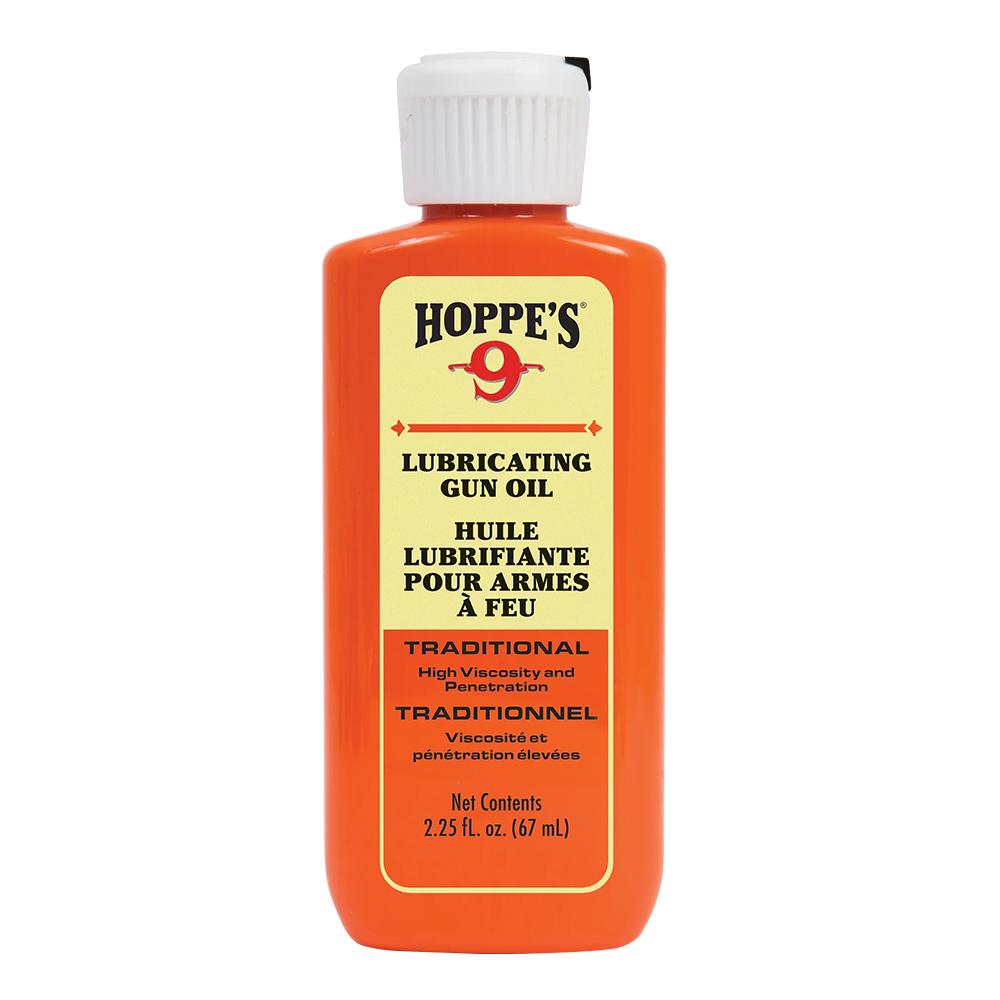
Use a proper bore cleaner and lubricant according to your firearm’s instructions. Avoid blasting compressed air into sealed optics or sensitive firearm areas unless the manufacturer specifically permits it. Gentle drying and consistent inspection beat aggressive shortcuts.
Wet-Weather Hunting Gear Near Rocky Mount, NC
Iron Valor Armory helps hunters prepare for wet North Carolina deer hunts with firearms, ammo, optics, firearm accessories, lightweight hunting gear, and field equipment. Local pickup is available in Rocky Mount, NC, and online orders provide access to hunting products before the next weather system moves in.
Our service area includes hunters in:
- Wilson
- Tarboro
- Greenville
- Roanoke Rapids
- Henderson
- Goldsboro
- Elm City
- Sharpsburg
- Bailey
- Middlesex
- Wake Forest
- Clayton
- Smithfield
- Kinston
- Knightdale
- Rolesville
- Youngsville
Rain does not cancel a serious deer hunter’s preparation. Cover the glass, seal the ammo, protect the metal, wear breathable layers, and dry everything before storage. Do that consistently, and your rifle and hunting gear will be ready when the weather finally gives you a shot worth taking.
Published by Iron Valor Armory · Rocky Mount, NC 27803
Shop optics & sights →Shop optics & sights in stock
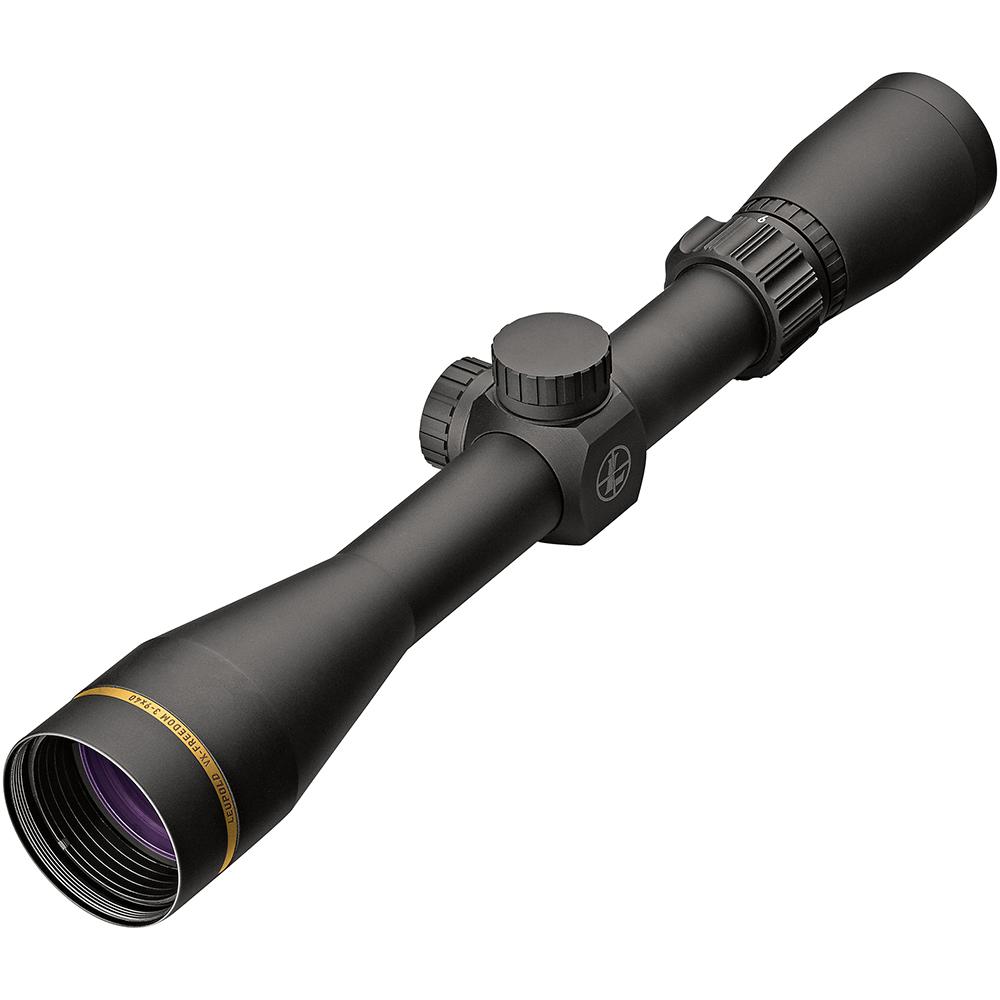
Leupold & Stevens Inc.
Leupold VX-Freedom Muzzleloader Rifle Scope 3-9x40mm 1" SFP UltimateSlam Non Illum. Matte Black
$399.99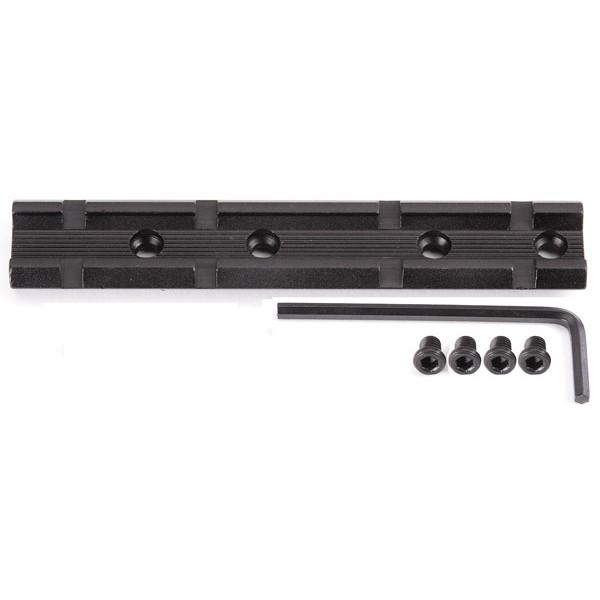
Traditions Performance Firearms
Traditions 1-Piece Muzzleloader Base for Traditions Break-Open Models Aluminum
$8.38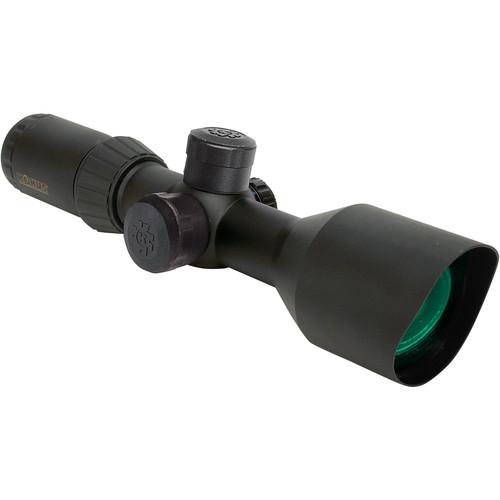
Konus Optics
Konus Muzzleloader Rifle Scope 3-12x50mm 30mm SFP Mil-Dot Illum. Black with Rings
$134.10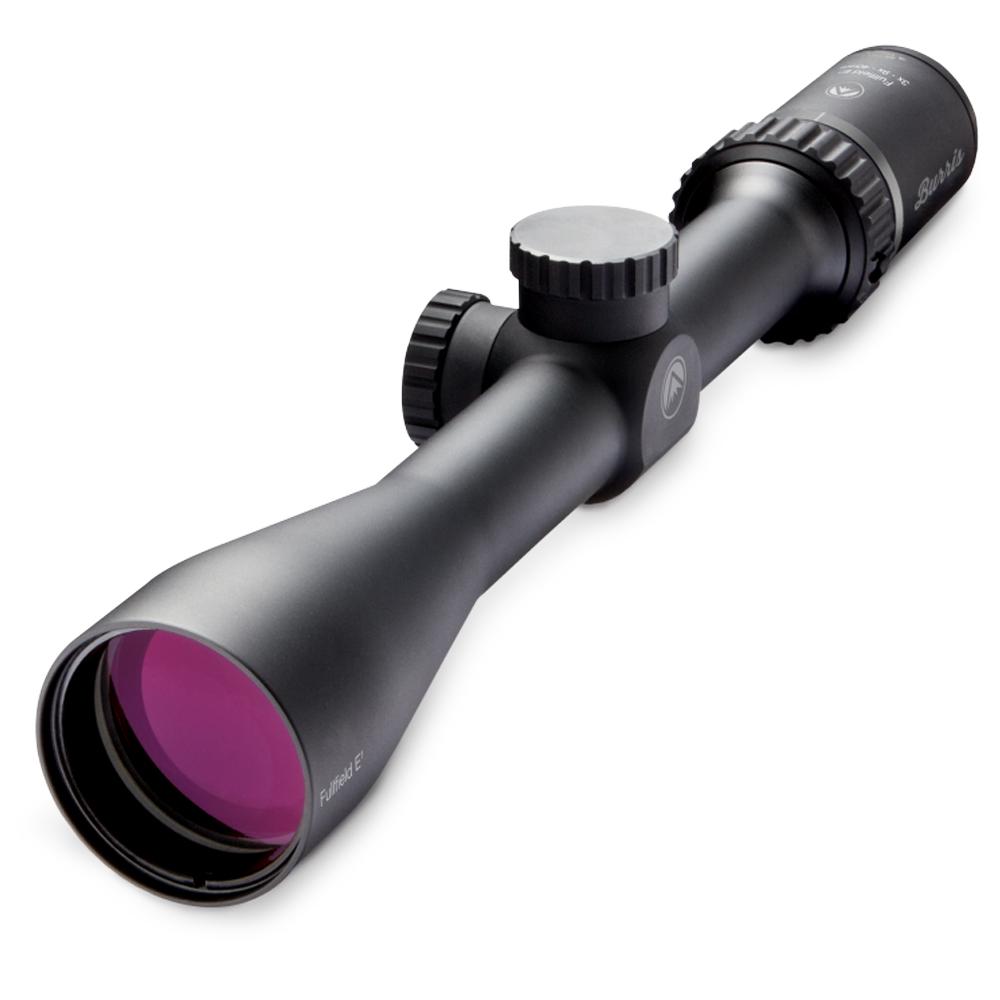
Burris Company Inc.
Burris Fullfield E1 Muzzleloader Rifle Scope 3-9x40mm 1" SFP Ballistic Plex Non-Illum Matte
$169.99
Related articles
All articles →
hunting season prep
Hunting Season Prep: Your Gear Checklist Before Opening Day
Opening day has a way of exposing every item you forgot. Use this hunting season prep checklist to inspect your firearm or bow, verify optics, pack smarter, and head into the woods ready for opening day.

deer season prep
Northeastern NC Gun Season Opens October 17: 7 Rifle Checks to Do This Weekend
Northeastern North Carolina gun deer season opens October 17, 2026. Use this seven-step weekend checklist to inspect your rifle, confirm your zero, organize hunting gear, and prepare for a safe opening morning.

deer hunting calibers
Best Deer Hunting Calibers for North Carolina Whitetail: An Honest Comparison
North Carolina gives deer hunters plenty of legal rifle options, but legal and suitable are not the same thing. Compare popular cartridges by recoil, shooting conditions, accuracy, and ammunition availability before opening day.