Best Deer Hunting Calibers for North Carolina Whitetail: An Honest Comparison


North Carolina’s Northeastern Zone gun deer season opens Saturday, October 17, 2026, only six days away. Hunters are checking ammunition shelves and deciding which rifle to carry. The state gives you plenty of legal options, but that freedom creates a familiar problem: legal does not automatically mean suitable.
North Carolina sets no minimum caliber for rifles used to hunt deer. Centerfire rifles, including .223 and other .22-caliber centerfire cartridges, can be legal for deer where rifle use is allowed. Fully automatic rifles are prohibited, and local laws, game-land rules, and other restrictions may narrow your options. Check the current rules before you hunt.
Start with your hunting conditions, not the cartridge
Picture the ground you actually hunt. A cutover or pine plantation may offer a short, quick look through cover. A creek bottom can limit visibility and leave little room for a long shot. A bean field may open the view, but that does not mean every distant shot belongs in your plan.
Set a realistic maximum distance based on your practice, field position, rifle, and visibility. Then pick a cartridge that handles those conditions comfortably. Most North Carolina hunters do not need a magnum to hunt whitetails; they need a rifle they can carry, shoot accurately, and control when a good opportunity appears.

Popular deer hunting calibers, compared honestly
.243 Winchester
Good at: Mild recoil, broad rifle availability, and practical whitetail performance with a suitable hunting bullet. The trade-off: It leaves less room for poor bullet choice or poor shot placement than larger options. It suits newer, smaller-framed, or recoil-sensitive hunters who will practice and keep shots within their demonstrated ability.
6.5 Creedmoor
Good at: Manageable recoil and a wide selection of modern rifle and hunting-ammunition options. The trade-off: Its popularity does not make it automatically superior for every local hunt, and ammunition selection can still vary by shop. It suits a hunter who values comfortable practice and wants a versatile cartridge for typical whitetail distances.
.270 Winchester
Good at: A long-standing reputation as a capable deer cartridge, with generally dependable ammunition availability. The trade-off: It can feel brisk in a light rifle. It suits the hunter who wants an established all-around choice and handles its recoil confidently.
.308 Winchester
Good at: Broad rifle and ammunition availability, useful versatility, and a deep history in hunting and target shooting. The trade-off: Recoil depends on the rifle and load, and some lighter rifles can feel sharp. It suits hunters who want a widely supported chambering and can test the specific rifle-and-ammunition combination.
.30-06 Springfield
Good at: Longstanding popularity and a wide range of factory hunting-ammunition choices. The trade-off: Its additional flexibility over lighter cartridges may not matter much for ordinary whitetail ranges, while its recoil can make practice less pleasant for some shooters. It suits someone who already shoots it well or values its versatility for other hunting plans.
.350 Legend
Good at: A straight-wall design, mild-to-moderate recoil in many setups, and a fit for hunters who want a purpose-built option for close-to-moderate-range deer hunting. The trade-off: It does not match the shelf presence of the most established cartridges, and you should confirm local rules for your hunting area. For 350 legend deer hunting, choose a proper deer load and keep your distance within verified performance.
Other options worth knowing
- .223 Remington/5.56: Statewide rules do not set a minimum caliber, so these .22-caliber centerfire options are not excluded on that basis. They demand careful hunting-bullet selection, disciplined shot placement, and conservative distance limits. Do not use ordinary full-metal-jacket training ammunition for deer. Match ammunition to the exact chambering marked on your rifle.
- 7mm-08 Remington: A balanced choice with moderate recoil for many shooters, though local ammunition selection may be narrower than for .308 or .30-06.
- .300 Blackout: Often chosen for compact rifles and close-range use. Its hunting performance depends heavily on the specific load, so check the manufacturer’s guidance and keep distances realistic.
- .30-30 Winchester: A classic close-cover option, often paired with a handy lever-action rifle. Its traditional ammunition and rifle choices may suit hunters who favor short-range woods hunting.
- .450 Bushmaster and .360 Buckhammer: Straight-wall cartridges with a clear niche for certain rifles and hunting conditions. They can work well within their intended range, but local shelf availability may be inconsistent.
Recoil is the real deciding factor
Recoil affects how often you practice and what happens when you press the trigger. A cartridge that makes you brace, blink, or rush your shot costs you accuracy. A moderate cartridge you shoot calmly and often usually beats a harder-kicking one you fire twice a year.
Think about recoil practically: shoulder a rifle that fits you, fire a few careful groups from a stable position, and notice whether you keep a relaxed, repeatable sight picture. If you start anticipating the shot or your groups spread, step back and reassess. Rifle weight, stock fit, muzzle devices, and ammunition all affect what you feel. Ask an experienced instructor or gunsmith for help if you need it.

Accuracy myths: the cartridge is only part of the story
Differences in bullet diameter do not decide the hunt by themselves. Bullet construction, shot placement, rifle fit, and your practice have more practical influence than a small difference in diameter. A controlled-expansion hunting bullet that performs as intended matters more than a headstamp with a bigger number.
Energy-at-100-yards charts can also mislead. They may compare different bullet designs, test barrels, or assumptions, and they cannot tell you whether you can place a shot safely from your actual field position. A well-placed bullet from a suitable modest cartridge beats a marginal hit from a magnum. Place shots behind the shoulder into the vital zone, and take only shots with a clear view of the target and what lies beyond it.
Ammo availability: the practical filter
Availability changes by store and season, but .30-06, .308, .270, and .243 Winchester tend to be safer bets for finding common factory loads on a small-town shelf. Popularity does not guarantee stock. Newer or niche chamberings can be harder to find during a shortage, so check local availability well before the season instead of counting on a last-minute stop.
Once you settle on a hunting load, buy two boxes from the same lot when possible. That gives you enough ammunition to confirm your rifle’s point of impact and still keep a consistent box for the hunt. Use our ammunition selection as a place to explore chambering options, but verify current local availability directly before you make plans.
What should you choose?
- For a kid or recoil-sensitive shooter: Start with a well-fitted rifle in .243 Winchester or 6.5 Creedmoor, then build confidence through supervised, consistent practice.
- For an all-around North Carolina hunter: Consider .308 Winchester, .270 Winchester, or .30-06 Springfield based on the rifle you shoot best and the ammunition you can reliably find.
- For thick cover or a public-land hunter: Look at a manageable rifle in .30-30, .350 Legend, or another suitable cartridge that fits your realistic close-range opportunities. Check property-specific rules first.
- For an occasional hunter who values shelf availability: Favor .308, .30-06, .270, or .243. Confirm that your preferred hunting load is available before season.
- For someone hunting with an AR-15 platform: .223 Remington/5.56 is legal under the statewide caliber rules, but it demands more care in ammunition choice, shot selection, and distance. Use a suitable hunting bullet and confirm the firearm’s chamber marking.
Compare rifle options through our firearms selection, and focus on fit and controllability, not just the number printed on the box.
Serving hunters in Rocky Mount and nearby communities
Iron Valor Armory serves hunters and outdoor enthusiasts from Rocky Mount, North Carolina, and nearby communities, including Wilson, Tarboro, Greenville, Roanoke Rapids, Henderson, Goldsboro, Elm City, Sharpsburg, Bailey, Middlesex, Wake Forest, Clayton, Smithfield, Kinston, Knightdale, Rolesville, and Youngsville.
Confirm your setup before the opener
Six days is enough time to confirm your rifle and ammunition, not enough time to skip the range. Follow safe handling practices, check your rifle’s zero with the exact hunting load, and confirm that your groups stay consistent from a position you can use in the field. Read the manufacturer’s ammunition information for trajectory and limits, then verify those expectations with range time.
Before hunting, confirm current North Carolina Wildlife Resources Commission regulations and season dates, plus any local county ordinances and property-specific restrictions on rifle use. The best caliber for whitetail is the one that is legal where you hunt, suited to your conditions, and accurate in your hands.
Published by Iron Valor Armory · Rocky Mount, NC 27803
Shop hunting & outdoors →Shop hunting & outdoors in stock
Big Shot Archery
Big Shot Trophy Whitetail Target Bag
$34.03
Wildlife Research Center
Wildlife Research Special Golden Estrus Fresh & Super Premium Whitetail Doe Urine with Estrus Secretions 1 FL OZ
$8.04
CVA
CVA Shooting Patches - .50 - .58 Caliber 100/Pack
$5.16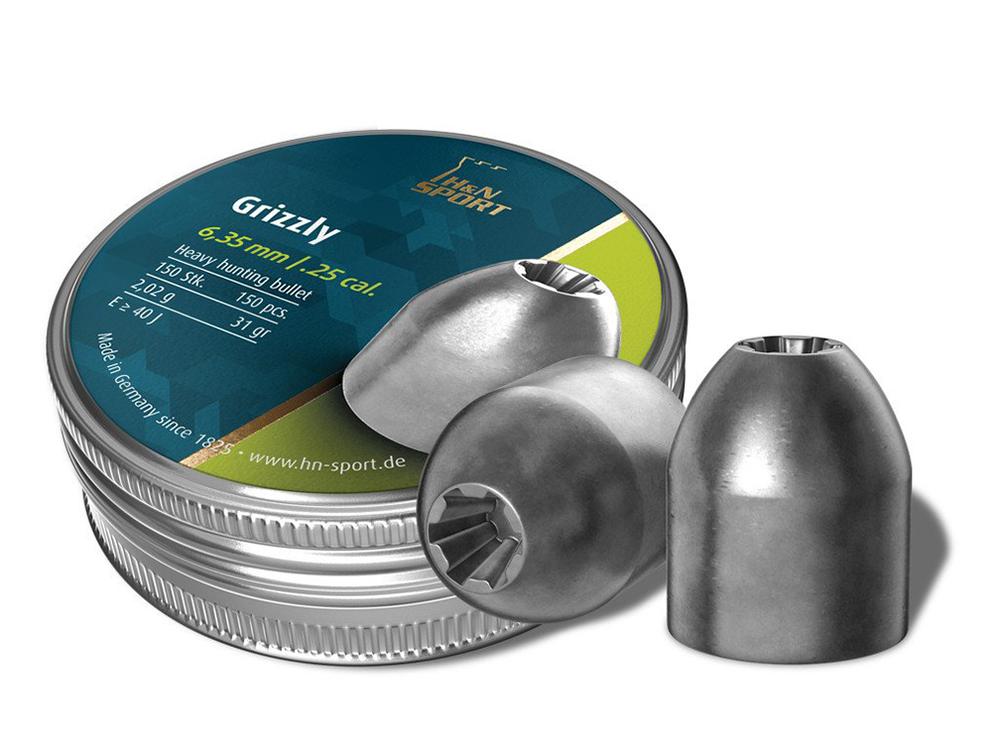
Hatsan USA / Escort Shotguns
H&N Grizzly .25 Caliber Airgun Pellets 150 Count
$7.35
Related articles
All articles →
deer season prep
Northeastern NC Gun Season Opens October 17: 7 Rifle Checks to Do This Weekend
Northeastern North Carolina gun deer season opens October 17, 2026. Use this seven-step weekend checklist to inspect your rifle, confirm your zero, organize hunting gear, and prepare for a safe opening morning.

North Carolina deer hunting
Wet-Weather Deer Hunting in North Carolina: How to Keep Your Rifle, Optics, and Hunting Gear Running
Rain, fog, heavy dew, and mud do not have to end your North Carolina deer hunt. Use this practical wet-weather system to protect your rifle, optics, ammo, clothing, and firearm accessories.

AR-15
7 Mistakes You're Making with Your AR-15 (and How to Fix Them Before Opening Day)
Before opening day, your AR-15 needs more than a quick glance and a fresh box of ammo. Use this seven-point checklist to inspect your rifle, secure your optics, verify your magazines, confirm your point of impact, and practice with your actual hunting setup.