
Reading Rut Sign in Late October: Scrapes, Rubs, and How to Hunt Them

October 25, 2026
Late October is when the woods start talking. Scrapes appear along field edges and inside corners. Fresh rubs show up on saplings that were clean a week ago. Somewhere in that mix is a buck worth hunting, and somewhere else is a scrape that was opened in September and abandoned the day after Labor Day.
Telling those two apart is the whole game. A hunter who treats every scrape like breaking news wastes sits on dead sign. A hunter who can read the difference between fresh work and old work, and who can pull travel direction out of a rub line, gets real information from the same woods everyone else is walking through.
Here is how to do it, with the wind doing half the work and your feet doing the rest.
What a scrape actually is, and why bucks make them
A scrape is a pawed patch of ground, usually under a low-hanging branch called a licking branch. A buck paws away the leaves and debris, churns the soil, urinates into it, and works the branch with his mouth, forehead and antlers. It is a line of communication between deer, a community bulletin board that says who is here, when, and what condition they are in.
That bulletin board is the useful part. Does visit scrapes. Young bucks overvisit scrapes. Mature bucks check scrapes on their travel routes, often at night, and open new ones as they shift into hard breeding mode. The scrape itself is not the deer. The scrape is a record of a route, and routes are what you hunt.
The branch matters as much as the dirt. A buck works the licking branch with his preorbital glands and mouth, and that branch carries scent longer than the soil does. A scrape without an overhead branch is less valuable than one with a well-worked branch, partly because the branch is what keeps the communication going between visits.
A fresh scrape under a worked licking branch tells you a buck was here recently. Old leaves in the dirt tell you he was not.
How to tell fresh sign from old
Dirt does not lie, and neither do leaves. A scrape that has not been refreshed since it was opened collects fallen leaves the way everything else in the woods does. That is the simplest and most reliable age test there is.
Reading the dirt
Look at what is sitting in the pawed earth. Fresh soil is loose, dark, and disturbed. If it is holding a layer of fallen oak leaves that clearly landed after the pawing, the scrape is old, no matter how dramatic it looks. If leaves are crushed into the dirt and partially decomposed, you are looking at September work. If the soil is damp and loose with no leaf cover at all, that scrape has been touched recently, possibly within a day or two.
Track size tells a story too. A scrape the width of a dinner plate with fine, narrow tracks pressed into it may belong to a young buck or a doe. A wide, heavily worked scrape with deep, broad tracks is more likely a mature buck, though size alone is never proof.
Rain changes the math. A scrape that looks fresh the morning after a storm may have been reopened by rain softening old scent, or it may simply be old dirt that got rained on. Note the weather when you find a scrape and weigh it against the days since the last rain.
Reading the licking branch
Inspect the overhanging branch. Freshly worked branches show broken tips, stripped bark, and sometimes fresh sap on a cut limb. An old branch looks weathered, gray, and untouched. If the branch has been worked but the dirt is leafed over, the scrape has been abandoned or the buck is only checking the branch without reopening the ground, which happens.
Some hunters hang a small camera on a worked licking branch, pointed at the scrape. That is a legitimate tactic and it works, provided the property allows cameras and you place the camera without walking all over the approach trail. If you use one, check it sparingly, because every visit is a scent event.
Reading rubs
Rubs age differently. Fresh rubs show pale, splintered wood with bark shreds still on the ground beneath and sap that has not darkened. A rub from two weeks ago looks gray and weathered, and the wood surface has dulled. Old rubs from prior years sit on the same saplings and sometimes on the same trunks, so a rub line can mean travel tradition rather than this week's movement.
Rub height and trunk size matter. A deep rub on a small sapling is often a younger buck. A rub on a larger trunk, or a cluster of rubs on several trunks at varying heights, is more often a mature buck working a route. That is not a rule, it is a lean. Body and track size in the area tell you more than rub height alone.

Shredded bark and pale wood mean fresh work. Gray, weathered wood means last month's news.
Rub lines give you direction, not just presence
One rub tells you a buck was there. A line of rubs tells you where he was going.
Walk a rub line and look at which side of each sapling carries the shredded bark. A buck rubs a tree as he moves past it, and the damaged side usually faces the direction he was traveling from. Read enough rubs in a line and a pattern emerges: a direction of travel between bedding cover and a feeding area, a crossing, or a doe group.
Rub lines tend to follow terrain. In eastern North Carolina that often means hardwood fringes along cutovers, edges of pine plantations, creek and drain crossings, and the brushy borders between timber and open ground. Find two or three rub lines pointing the same way and you have a route worth hunting.
The direction tells you where the buck came from, which tells you where he is likely going. A buck coming out of a swamp in the morning heading toward a field is making an evening return to that swamp. If your stand sits along the return leg, you want to be there in the afternoon. This is the single most useful thing a rub line gives you, and most hunters never read it.
Scrape lines and community scrapes
Not every scrape is created equal. A scrape in the middle of a random spot, away from edges and travel corridors, is often a lone marking from a buck passing through. A line of scrapes spaced along an edge, or a cluster of several scrapes under one general area, is a community scrape, and community scrapes get checked by multiple deer.
Community scrapes are useful but not for the reason hunters assume. They are not where a mature buck stands. They are where deer traffic concentrates, which means they tell you where to hang a stand for whatever uses that route, including does. If you are hunting a specific mature buck, a community scrape is rarely his personal check-in.
The scrapes worth sitting for a specific buck are usually off the beaten path, along a route he uses in daylight, often near thick cover on the downwind side of a doe group. Those scrapes get refreshed and abandoned as breeding activity changes, so a scrape that was hot two weeks ago can be cold now. Recheck sign weekly in late October.
Setup and wind: the part that actually matters
Sign is information. Wind is the decision. You can read sign perfectly and still blow the hunt by sitting on the wrong side of it.
Mature bucks work scrapes and rubs with their nose, and they often approach from downwind to scent-check the area before stepping in. That means the safe side of a scrape, the side where a buck stops to smell before committing, is usually downwind of the scrape itself. Sitting directly over a scrape with the wind blowing your scent into the timber behind you is the classic late October mistake.
Set up off to the side, where you can watch the scrape or the rub line from a position that keeps your scent out of the area the deer is using. Your shot lane should cover the approach, not just the scrape itself, because bucks often stop short of their own sign to check the wind. Give yourself a clean lane on the downwind approach side.
Access matters as much as position. A perfect stand site is worthless if the walk in crosses the trail you intend to watch. In late October, deer that have been hunted for two weeks are jumpy, and a fresh boot print on their route can shut down a travel corridor for a day or two. Plan your approach from a direction that keeps your scent and your noise out of the cover you are hunting, and get there early.
Morning versus evening matters too. Scrapes near bedding cover get checked going back in after a night of activity, which usually means early morning. Scrapes along field edges and transition routes see more evening traffic. Read the location and match your sit to it, rather than defaulting to a dawn sit because that is what you always do.

Check the licking branch and the dirt from the downwind side, then decide whether the sit is worth it.
Common mistakes that waste late October sits
- Treating every scrape like breaking news. Leaf litter, weathered licking branches, and rain history tell you more than the size of the dirt patch. Read before you sit.
- Sitting directly over a hot scrape. Bucks scent-check from downwind. Set up off to the side where your scent does not foul the approach.
- Ignoring the wind because the sign is good. A marginal scrape with a perfect wind beats a fresh scrape with your scent blowing into the timber.
- Walking the sign trail to check it. Every visit leaves scent. Find the scrape once, note it, and hunt it from a distance unless you have a reason to get close.
- Reading rub height as an age confirmation. It is a lean, not a measurement. Track size, body, and trail camera photos tell you more.
- Hunting September sign in late October. Recheck scrapes weekly. A scrape that was hot three weeks ago can be cold now, and fresh sign somewhere else on the property is more valuable.
- Shooting at a buck you cannot identify clearly. Thick timber and brush near scrapes hide antlers and body. Confirm the target and what lies beyond it before anything leaves the barrel.
A practical late October plan
Pick a property you can scout quickly. Walk the downwind edges, mark every scrape and fresh rub on a map, and look for a line of either that points to a route between thick cover and food. Do not walk the route itself. Walk the edge and read it from the side.
When you find a fresh scrape or an active rub line, note the wind direction at that spot and decide whether you can reach it, set up off to the side, and hunt it without fouling the area. If yes, that is your sit. If no, keep looking, because there is another one somewhere on the property that the wind will let you hunt.
Check cameras or revisit sign from a distance every three or four days. Recheck whether the scrape has been refreshed. Recheck whether new rubs have appeared along the same line. Late October moves fast, and what was true last week may already be stale.
If a buck shows up on a fresh scrape but never in daylight, stop hunting the scrape and start hunting the route he uses to get there. Scrapes tell you where the communication is. Routes tell you where the deer actually walks.
One more thing worth saying plainly: a scrape and a rub are never a promise. Some bucks check their sign at 2 a.m. every night for three weeks and never step out in front of you. That is not bad luck, that is whitetails. Hunt fresh sign with the wind right and let the woods decide the rest.
Iron Valor Armory service area
Iron Valor Armory is based in Rocky Mount, NC, and serves hunters and firearm owners in Wilson, Tarboro, Greenville, Roanoke Rapids, Henderson, Goldsboro, Elm City, Sharpsburg, Bailey, Middlesex, Wake Forest, Clayton, Smithfield, Kinston, Knightdale, Rolesville, and Youngsville, all by appointment. If you are putting together a late-season setup, the Iron Valor Armory firearms page is a good place to start.
Disclaimer: Hunting regulations change, and they differ by zone, season, and property. Always verify current North Carolina and federal law, season dates, weapon requirements, and property-specific rules with the NC Wildlife Resources Commission and the rules for the land you hunt before heading afield. This article is general hunting guidance, not legal advice.
Published by Iron Valor Armory · Rocky Mount, NC 27803
Shop hunting & outdoors →Shop hunting & outdoors in stock
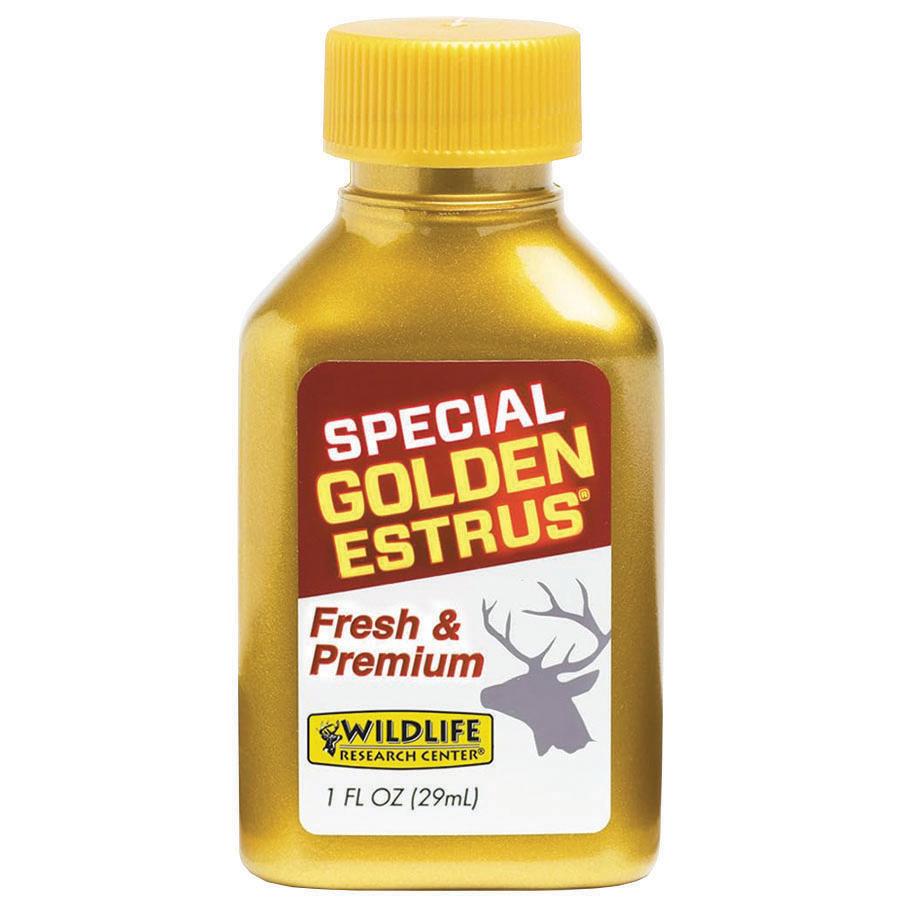
Wildlife Research Center
Wildlife Research Special Golden Estrus Fresh & Super Premium Whitetail Doe Urine with Estrus Secretions 1 FL OZ
$8.61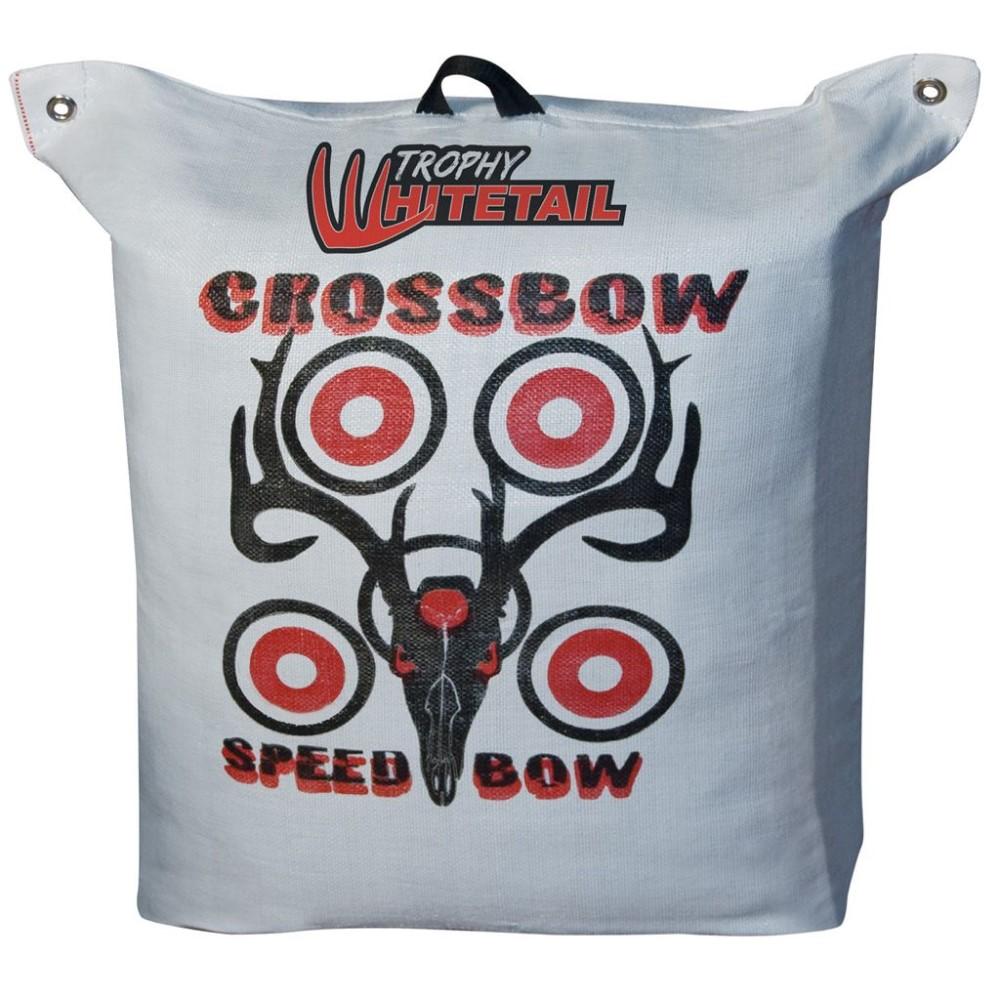
Big Shot Archery
Big Shot Trophy Whitetail Target Bag
$34.03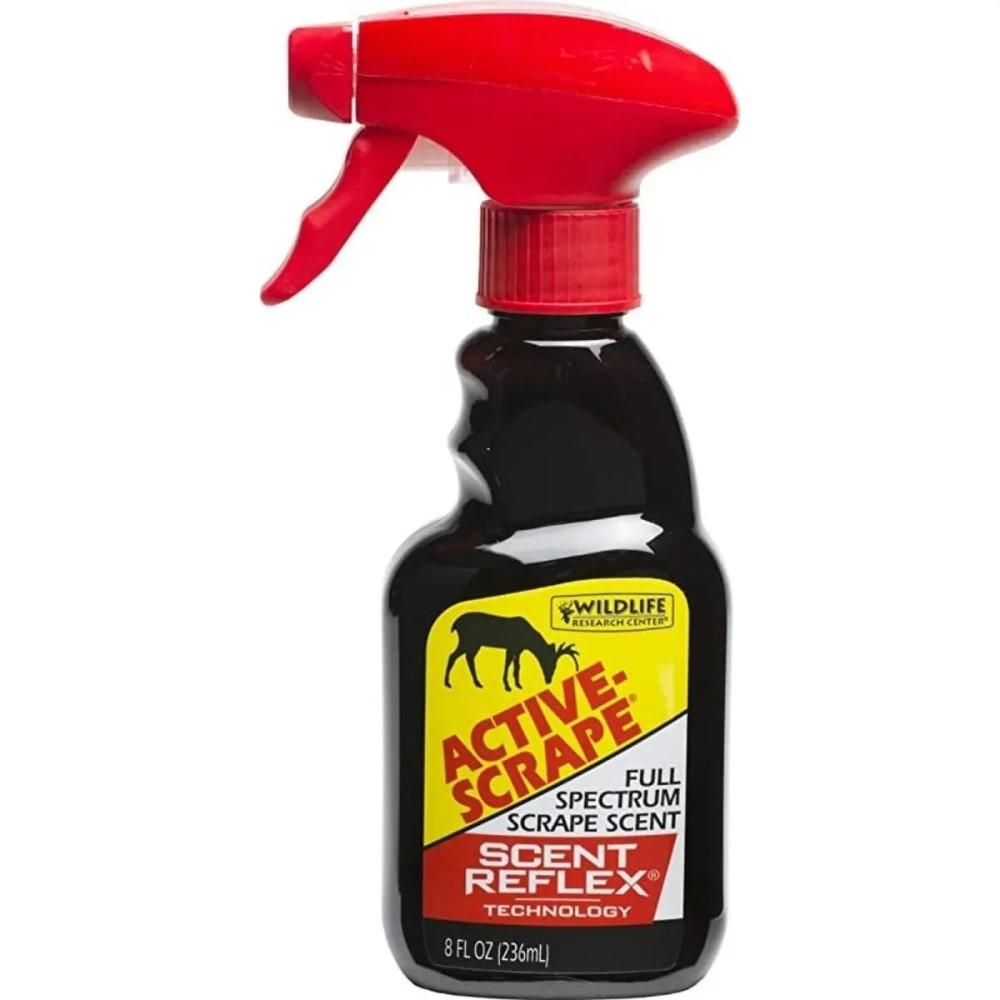
Wildlife Research Center
Wildlife Research Active-Scrape Spray Bottle 8 oz
$16.09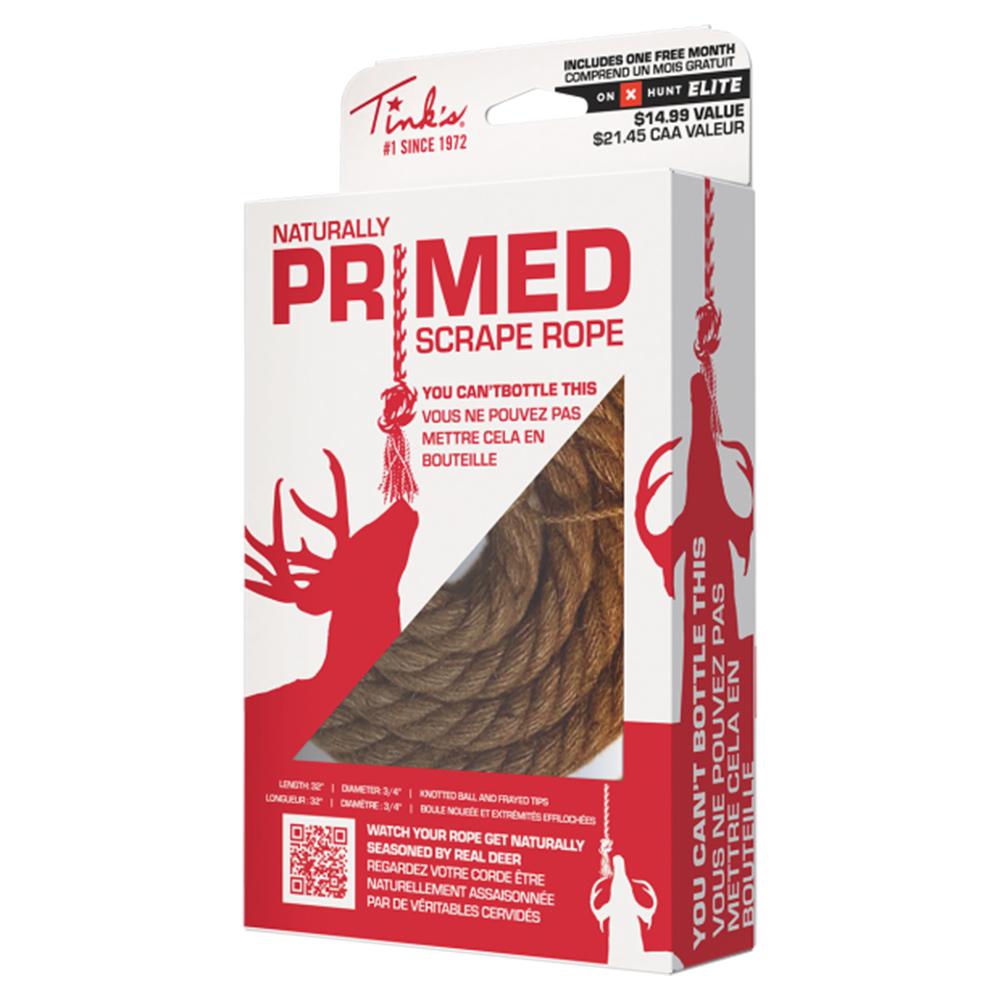
Dead Down Wind DBA Arcus Hunting
Tink's Naturally Primed Scrape Rope
$15.05
Related articles
All articles →
aging deer on the hoof
How to Age a Buck on the Hoof: Reading a Whitetail Buck's Body Before You Decide to Shoot
Antler size tells you less than you think. Learn how a buck's neck, body depth, back line, legs and head change with age, and how to use those clues before you decide to shoot.

deer rut
North Carolina's November Deer Rut: When It Peaks and How to Hunt It
Rut tactics matter more than a date on the calendar. Learn how to hunt doe travel, funnels, fresh sign, and midday movement as North Carolina bucks search, chase, and breed.

deer hunting
Hunting Pressured Deer After Opening Weekend: Tactics for North Carolina's Second Week
Opening weekend changes the woods, but it does not end your chances. Learn how to read pressure, adjust your setup, and hunt North Carolina's second week with a patient plan.