
North Carolina's November Deer Rut: When It Peaks and How to Hunt It

November can turn an ordinary deer hunt into a moving puzzle. Bucks that seemed predictable around food may suddenly travel with purpose, check doe trails, and show up well outside their usual daylight pattern. The rut creates opportunity, but it does not make deer careless or guarantee a shot.
Your best move is to hunt what deer are doing now, not what they did last week. Focus on doe groups, the routes between bedding and feeding areas, and the places where terrain or cover narrows travel. Then give the setup enough time to work, including through the middle of the day.
When does the North Carolina rut peak?
There is no single November rut date for the whole state. The NCWRC 2025 conception map lists zone-average peak conception dates of Oct. 31 in the Southeastern zone, Nov. 8 in the Northeastern zone, and Nov. 15 in the Central zone. These are average peak-conception dates, not exact dates when every buck starts moving or every doe comes into estrus.
Hunters in Nash County should use the Northeastern-zone average as a guide. For your own county, check the map rather than relying on a statewide rule of thumb. NCWRC bases its county estimates on reproductive samples, and the agency notes that small sample sizes can make some estimates less precise. Individual does also breed before and after the local peak.
Shortening day length drives the seasonal breeding cycle, so peak timing tends to vary little from year to year in a given area. Weather can influence deer movement on a particular day, but it does not reset the biological calendar. Treat the date as a planning tool, then read the ground and adjust your tactics.
Read the rut as a series of behavior changes
Hunters often describe the rut in phases: seeking, chasing, lockdown, and the post-peak search sometimes called the takedown or late rut. Those phases overlap. A buck can move from searching to breeding while another buck nearby still checks sign and looks for a receptive doe.
- Seeking: Bucks increase their travel and scent-check trails, cover edges, and doe-use areas. They may begin leaving and revisiting scrapes and rubs.
- Chasing: A buck follows a doe that is not yet ready to breed. Movement can look erratic, and the pair may cross an opening or travel corridor at an unexpected time.
- Lockdown: A receptive doe may keep a buck close in dense cover. Activity can seem to drop because the pair spends time tucked away rather than moving through exposed areas.
- Post-peak searching: As fewer does remain receptive, bucks can resume covering ground and checking doe groups for another opportunity.
Look, the woods do not switch phases on a clean schedule. Use fresh tracks, sightings, current doe activity, and new sign as clues. One quiet morning does not prove the rut has stopped, and one fresh scrape does not tell you exactly where a buck will appear next.
Let does guide your setup
When a buck searches for a doe, her daily routine becomes the useful map. Find areas where does feed, bed, and travel between the two. A buck may cruise the downwind side of those routes, scent-check a bedding edge, or trail a doe group through a familiar corridor.
That is why doe activity often gives you a better starting point than a dramatic rub or a large scrape. Buck sign confirms that a deer used a spot. Doe groups and their routes help explain where a searching buck might go next.

Look for transitions between cover and food, trails leading into doe bedding, and edges that let deer move without crossing open ground. If you see does using a route on more than one occasion, consider a position that covers the route while keeping your scent and approach away from their bedding cover.
Do not set up directly on the first doe trail you find without considering wind and access. A stand can look perfect on a map and still fail if your route crosses the deer trail or carries your scent into the bedding area. Choose the wind first, then decide which promising route you can reach quietly.
Hunt funnels and pinch points, not just big sign
Funnels and pinch points make travel easier to predict. A narrow strip of cover between open ground and thicker woods, a crossing between bedding pockets, or a natural bend in a creek or field edge can concentrate deer movement. During the rut, a buck cruising for does may pass through these locations while checking several travel routes at once.
Put the terrain together with current deer use. A pinch point with fresh tracks, a nearby doe route, and a favorable wind deserves attention. A pinch point with no current sign and poor access does not become a great stand simply because it looks tidy on an aerial photo.
Know what fresh scrapes and rubs can tell you
A fresh scrape can confirm recent buck activity, especially when the soil looks disturbed and the overhead licking branch shows current use. A line of scrapes may mark a route a buck checks repeatedly. Rubs can also show where a buck has traveled and worked trees with his antlers.
But sign needs context. A scrape beside a doe trail or near a travel bottleneck can be more useful than a large scrape with no relevant movement around it. Old sign may show where a buck traveled earlier in the season, not where he will travel during the current phase.
When you find a scrape line, look for tracks, droppings, nearby trails, and signs of doe use. Then set up where you can watch the route without walking through the core area. Avoid turning a productive location into a scent-marked trail of your own by checking it too often.
Why all-day sits can pay off
Many hunters leave their stand after the first few hours. During the rut, that decision can cost you an opportunity. Bucks searching for does do not have to keep a neat dawn-and-dusk schedule, and a mature buck may move during late morning or early afternoon while checking cover and scent.
The 10 a.m. to 2 p.m. window deserves serious attention, particularly when nearby does use bedding cover and the travel corridors stay undisturbed. A buck may cruise between doe areas, trail a moving doe, or cross a route while other hunters have already headed out for lunch. That is an opportunity, not a promise.
All-day sits work best when you plan for them instead of simply enduring them. Choose a setup with safe visibility, a comfortable position, and a wind that will hold. Bring food, water, layered hunting apparel, and a lightweight pack so you do not have to make repeated trips back to the vehicle.

Use optics to inspect openings, cover edges, and distant trails before deciding to move. Keep short notes about time, wind, sightings, and fresh sign. A few clear observations are more useful than a long list of guesses, and your notes can help you choose a better setup the next day.
Try midday still-hunting only when conditions support it
If you cannot stay in one position, slow still-hunting may help you cover ground during a period of rut activity. Move a short distance, stop, and scan before taking another step. Bucks often pause to check scent or look toward a sound, and moving too quickly makes it easy to miss them.
Choose cover that lets you move quietly and see ahead. Keep the wind in your favor and avoid walking through likely bedding cover or the center of an active doe route. Spot-and-stalk approaches demand patience, safe visibility, and a clear view of the entire area before you consider any shot. If the cover does not allow you to identify your target and what lies beyond it, do not take the shot.
Call and rattle with a reason
Calls can help you get a buck's attention, but more volume does not mean more effectiveness. Start with a restrained grunt or a short sequence that fits the situation. Give a responding deer time to approach, and watch downwind as well as in front of you.
Rattling can imitate antler contact and may attract a curious buck during active seeking or chasing. Keep the sequence brief and realistic, then pause and scan. Use it only where you can see safely and where nearby hunting activity will not create confusion. Check current regulations before using any call or rattling method in your hunting area.
Back off when a deer reacts with caution, when repeated calling produces no response, or when you cannot tell what is happening around you. Calling into dense cover without knowing who else may be nearby creates risk, not an advantage. Calls are tools, not remote controls for bucks.
Respect pressure and protect your access
Everyone else knows the rut can create movement, too. More hunters in the woods can shift deer toward thicker cover, change their travel routes, and make a quiet setup harder to reach. Do not assume deer will keep using a trail just because you saw them there once.
Make access part of your plan. Enter with the wind in mind, use a route that avoids bedding areas and active doe trails, and minimize unnecessary trips. If pressure pushes deer into security cover, hunt the edges and travel routes leading to that cover rather than marching through the middle of it.
When another hunter is already using a nearby area, give them space and choose a different location. A productive rut hunt depends on patient observation, not crowding every promising patch of cover.
Keep safety and ethics ahead of the opportunity
Rut activity can happen fast. A buck may appear behind a doe, cross a trail, or move through brush before you have time to settle. Identify your target positively, know what lies beyond it, and take a shot only when you have a safe, clear opportunity.
Confirm current dates, licenses, tagging and reporting requirements, legal equipment, and other applicable rules with the NCWRC hunting and trapping regulations before heading out. Regulations can change, and rules can differ by season or location. If you plan to check your rifle before the hunt, use the relevant rifle sight-in guide and confirm your setup safely before opening day.
North Carolina hunting gear for a long rut sit
Comfort and readiness matter when you intend to stay through midday. Dress in layers so you can adjust as temperatures change. Carry enough water and food for the length of your sit, and keep your pack light enough that it does not slow a quiet entry or exit.
- Layered hunting apparel: Choose clothing that suits the forecast and lets you stay still without getting chilled or overheated during the walk in.
- Optics: Binoculars help you assess movement and cover without leaving your setup. Keep lenses protected and accessible.
- Lightweight pack: Carry essentials, water, food, and any safety equipment you need without bringing unnecessary bulk.
- Field notes: Record wind, time, sightings, and fresh sign so each hunt informs the next one.
Before you leave, check your planned route, tell someone where you intend to hunt, and make sure you can communicate if your plans change. The right gear supports a good decision. It never replaces one.
Iron Valor Armory service area
Iron Valor Armory serves hunters and outdoor enthusiasts with Rocky Mount, NC as our home base. Our service area includes Wilson, Tarboro, Greenville, Roanoke Rapids, Henderson, Goldsboro, Elm City, Sharpsburg, Bailey, Middlesex, Wake Forest, Clayton, Smithfield, Kinston, Knightdale, Rolesville, and Youngsville. Visit the Iron Valor Armory blog for more practical hunting-season and gear guidance.
Hunt the conditions, not the calendar alone
North Carolina's November rut can bring roaming bucks, sudden chases, quiet lockdown periods, and renewed searching. The most reliable plan is to find current doe activity, set up on a travel route or funnel that matches the wind, and stay long enough to cover more than the familiar morning window.
Use fresh sign as evidence, not a guarantee. Call selectively, move only when the conditions make sense, and keep pressure and safety in view. The rut creates opportunity, but no date, tactic, or piece of gear can promise a harvest. Pay attention, adapt, and make every decision count.
Published by Iron Valor Armory · Rocky Mount, NC 27803
Shop hunting & outdoors →Shop hunting & outdoors in stock
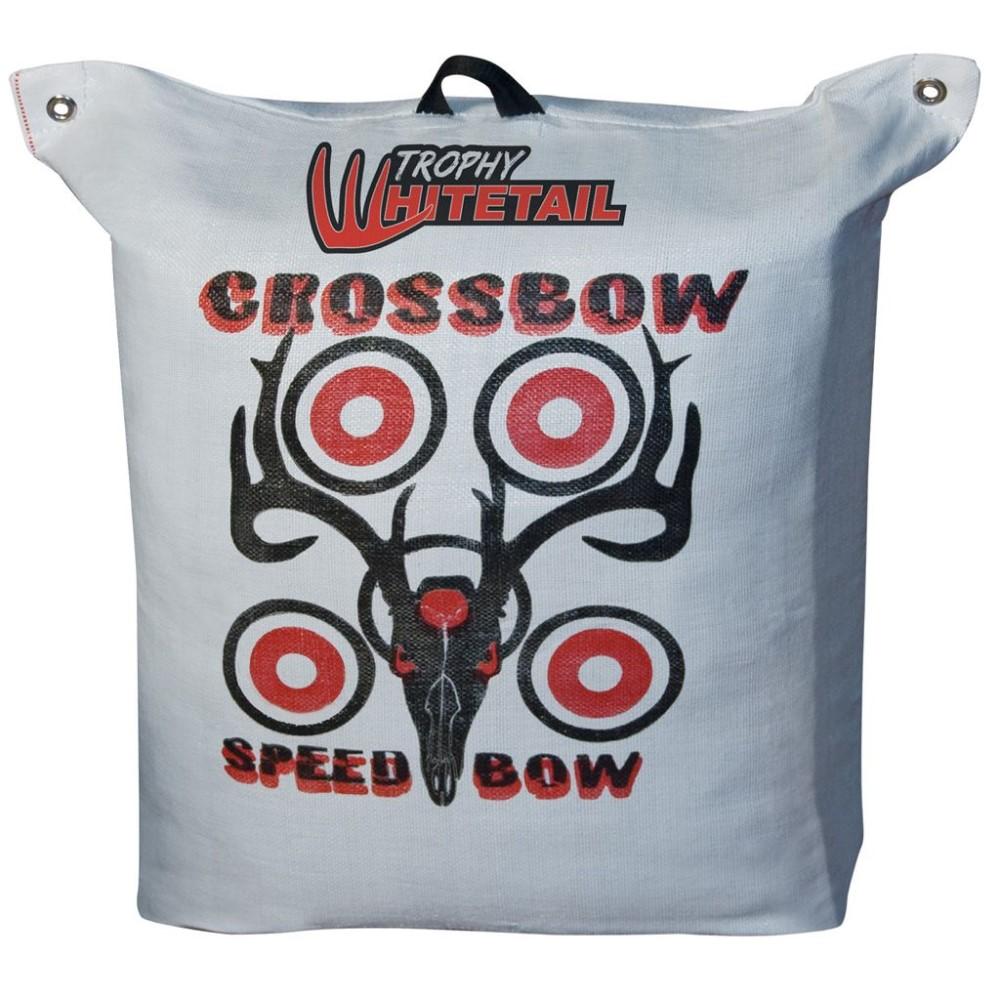
Big Shot Archery
Big Shot Trophy Whitetail Target Bag
$34.03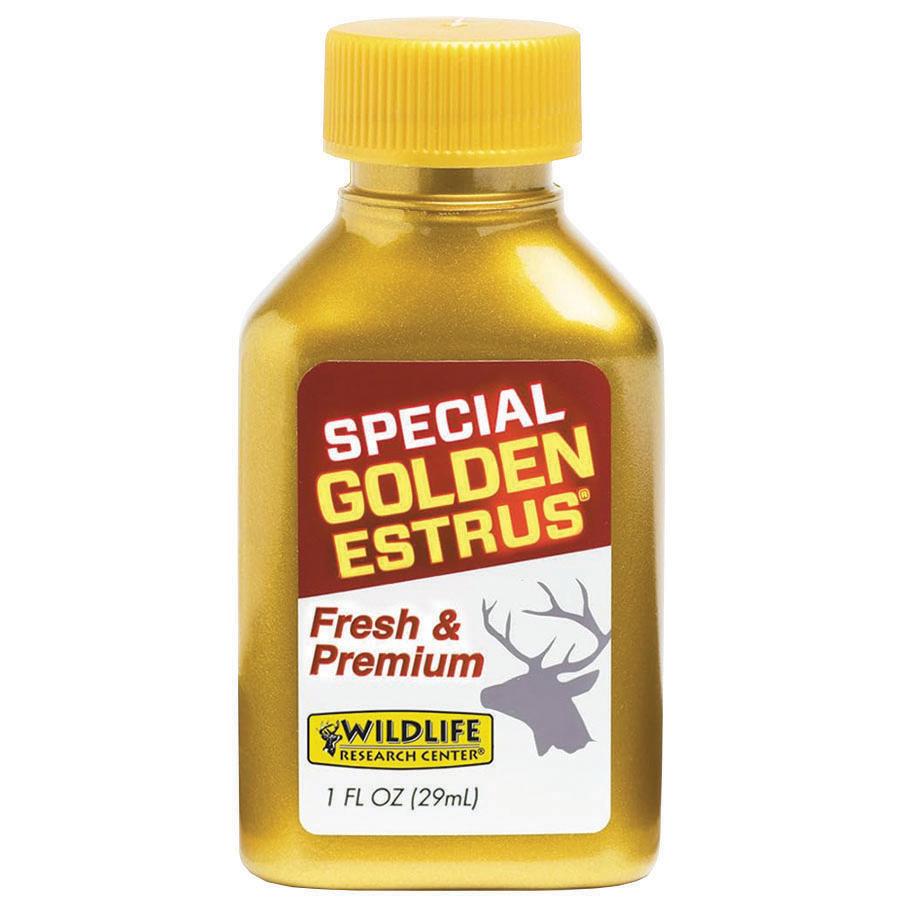
Wildlife Research Center
Wildlife Research Special Golden Estrus Fresh & Super Premium Whitetail Doe Urine with Estrus Secretions 1 FL OZ
$8.04
Spike’s Tactical
Spike’s Tactical Lower Receiver Stripped - Spider Logo Multi Calibe With 3 Position Bullet Markings
$93.50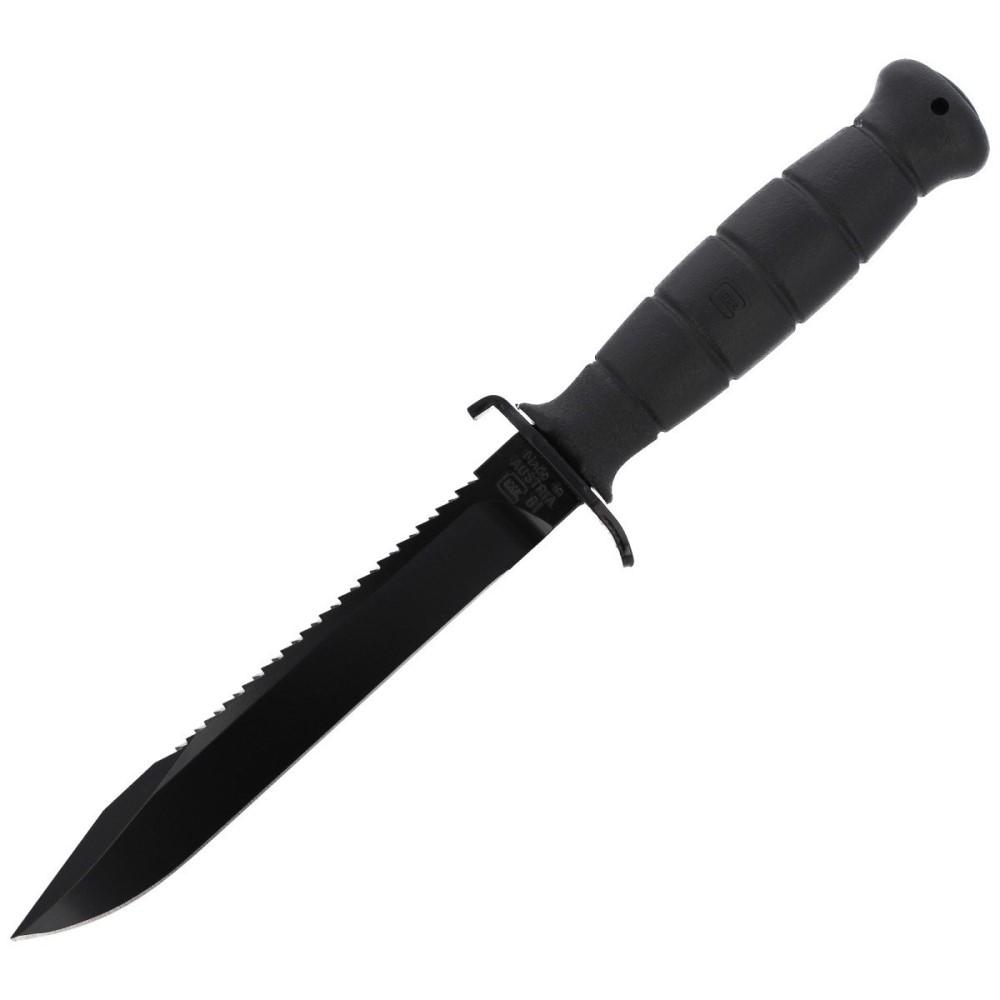
Glock Inc.
Glock Survival Tactical Fixed Knife 6-1/2" Drop Point Blade Black Bulk
$30.92
Related articles
All articles →
North Carolina deer hunting
After the Shot: Blood Trailing and Deer Recovery Gear for North Carolina Hunters
Rocky Mount’s October 17, 2026 gun opener is close. Here is how to read impact sign, wait correctly, preserve a blood trail, use a legal tracking dog, and build a dependable deer recovery kit.

deer hunting calibers
Best Deer Hunting Calibers for North Carolina Whitetail: An Honest Comparison
North Carolina gives deer hunters plenty of legal rifle options, but legal and suitable are not the same thing. Compare popular cartridges by recoil, shooting conditions, accuracy, and ammunition availability before opening day.

hunting season
Wind, Thermals, and Scent Control: How North Carolina Deer Hunters Beat a Whitetail's Nose
October's warm days and cool nights make wind and thermals unpredictable. Here's how to build a scent-control system around your gear, apparel, and field routine before the October 17 opener.