
Wind, Thermals, and Scent Control: How North Carolina Deer Hunters Beat a Whitetail's Nose

Rocky Mount and the rest of North Carolina’s Northeastern Zone sit 12 days out from the October 17, 2026 gun deer opener. October’s warm afternoons and cool nights create classic deer movement, but they also make wind and thermals harder to read.
That matters because a whitetail does not need to see you to know you are there. If your scent reaches its nose, the hunt can end before you ever touch your firearm.
The solution does not start with a bottle of cover scent. It starts with understanding how deer smell, how air moves through mixed pine and hardwood terrain, and how you can build a repeatable scent-control system around your hunting gear, hunting apparel, boots, pack, and daily field routine.
How a Whitetail’s Nose Actually Works
A deer’s sense of smell gives it a powerful early-warning system. Its nasal passages contain complex, folded structures that create significant surface area for detecting odor molecules. Deer also use scent to identify individuals, locate food, read social signals, and recognize potential danger.
You do not need to memorize every detail of deer anatomy. Remember the practical point: a whitetail can separate odors that blend together to your nose. Human sweat, detergent, gasoline, food, smoke, rubber, and freshly handled metal can all become part of the same warning signal.
Wind carries those odors. Terrain changes how the wind moves. Thermals lift or drain air as the ground warms and cools.
That combination determines whether a deer encounters your scent before you encounter the deer.
Researchers have documented the specialized nasal anatomy of white-tailed deer, while field observations consistently support the same hunting lesson: if your scent stream crosses a deer’s nose, no scent-control spray can rescue a poor setup. Read the research on white-tailed deer nasal anatomy for the science behind that impressive system.

Wind Comes First. Everything Else Supports It.
Before you choose a stand, ask one question:
Where will my scent travel if the wind holds, and where will it travel if the wind shifts?
Start with the forecast, but never stop there. Weather apps describe the larger wind pattern. Your puffer, milkweed, or a few lightweight seeds show what the air does at stand level.
Watch for:
- Wind bending around ridges and timber edges
- Swirls near creek bottoms and hollows
- Dead air behind thick cover
- Gusts created by open fields
- Wind changes after sunrise or near sunset
- Air movement that differs between a field edge and the woods
A forecasted west wind does not guarantee a steady west wind at your tree. Terrain can turn it, split it, or make it stall.
Plan every hunting location around a specific wind. Do not label a stand “good in most conditions.” Label it “good on a northwest wind during a morning sit,” or “good on a southeast wind during the last two hours of daylight.”
That simple discipline keeps you from forcing a hunt into a bad setup.
How October Thermals Change Your Scent Trail
Thermals come from temperature differences. Warm air rises. Cool air sinks. In October, those changes often happen during the same hunt.
Morning: Rising Air
At first light, the ground remains cool. As sunlight warms slopes, fields, and exposed ground, air begins to rise.
Your scent may lift uphill or move above deer traveling below you. That can help when you hunt higher on a slope with deer moving beneath your position.
Morning setups often work best when you:
- Hunt above lower travel routes
- Position yourself on an upper slope or ridge edge
- Keep your scent stream away from bedding cover
- Approach from a route that does not cross major deer trails
- Confirm actual air movement before settling in
Do not treat rising thermals as permission to ignore the wind. A light breeze can overpower a weak thermal, and shaded timber can behave differently from a sunlit field edge.
Midday: More Dependable Surface Wind
As the ground and air temperatures become more even, thermals often weaken. The prevailing wind usually becomes easier to read.
This period favors a steady crosswind along a travel corridor. If the wind blows directly toward bedding cover, feeding areas, or a likely approach route, move to another location.
A great trail does not compensate for a bad wind. Deer use the trail every day. You only need to make one mistake for the trail to become a warning line.
Evening: Cooling Air Drains Downhill
As the sun drops, the ground cools. Air begins to sink and flow downhill through draws, drainages, creek bottoms, and gentle slopes.
That creates a common evening mistake: setting up directly in a low area because deer use it. Your scent may collect there and drift along the same route.
Instead, consider a side-hill setup or the lower third of a slope where your scent can drain into an open field, road, pond, or other low-use area. Keep your scent stream away from the trail itself.
Thermals can shift quickly when clouds cover the sun, temperatures drop, or wind speed changes. Check them throughout the sit.
Building a Practical Scent-Control System
Scent control works best as a routine, not a last-minute spray-down.
Base Layers
Wear base layers that you wash and store specifically for hunting. Use unscented detergent, skip fabric softener, and keep clothing away from household odors.
Base layers sit against your skin, so they collect sweat quickly. Pack an extra shirt or lightweight layer when conditions allow. Warm October walks can create more human odor than a cold-weather sit.
Outerwear
Choose hunting apparel that fits the weather without forcing you to sweat through the walk in. Breathable layers help you arrive drier, quieter, and more comfortable.
Do not treat camouflage as scent control. A perfect pattern cannot hide a poor wind. Your outerwear should support quiet movement, weather protection, and temperature management.
Boots and Ground Scent
Boots pick up more than mud. They collect fuel odors, barn smells, food residue, and the scent of every place you walked before entering the woods.
Keep hunting boots separate from daily footwear. Store them in a clean container, and avoid walking through areas that add unnecessary odor before the hunt.
Your route matters more than the boot brand. Avoid bedding cover, primary trails, and low thermal channels on the way to your stand.
Packs and Storage
Your pack can carry lunch wrappers, fuel residue, leather gloves, rubber gear, and heavily scented personal items. Clean it regularly and store it with your hunting apparel instead of in a garage or vehicle that carries strong odors.
Use sealed storage for clothing, and let damp gear dry fully before storing it. Moisture creates its own problem, especially when fabric remains compressed for several days.

Getting Close to Bedding Without Blowing Deer Out
Hunting close to bedding cover can produce an opportunity, but it demands restraint. The goal is not to enter the bedding area. The goal is to reach a position where deer move between bedding and food without knowing you arrived.
Use these rules:
- Approach from the safest wind direction. Your entry route should keep your scent away from bedding and likely deer movement.
- Avoid crossing major trails. Even a careful walk can leave ground scent where deer expect danger.
- Use terrain to hide movement. Ridges, ditches, field edges, and thick cover can conceal your approach.
- Enter early enough to settle quietly. Rushing creates noise, sweat, and poor decisions.
- Leave only when conditions allow. If deer remain between you and your exit route, wait or choose another exit.
- Do not hunt bedding cover just because sign looks fresh. A close setup that sends scent into the cover can educate deer quickly.
Morning and evening access require different thinking. Rising air may help carry scent above lower deer during a morning approach. Cooling air may pull scent downhill during an evening exit. Check the route instead of assuming the thermal pattern will cooperate.
Sometimes the smartest move means skipping a close setup until the wind matches it.
Hunting Gear That Earns Its Place
Good hunting gear supports the system without pretending to replace it.
A compact wind indicator belongs in your pack. So do quiet gloves, a clean storage bag, unscented wipes, water, and a simple way to keep food and personal items separated from clothing.
Lightweight hunting gear can help you move with less effort and sweat during warm October approaches. A quiet, weather-appropriate pack can keep essentials organized without forcing you to dig through it during the sit.
Firearm accessories also deserve practical attention. Sling hardware, magazine storage, optic covers, and other accessories should remain secure and quiet during movement. A rifle that arrives safely and quietly at the stand gives you one less problem to solve.
For example, Iron Valor Armory’s Browning X-Bolt 2 Speed SPR OVX CF in .308 Winchester is a real hunting rifle listing with specifications available for review. Pair any firearm with appropriate training, a verified zero, safe handling, and current legal requirements.

Tactical gear can help with organization and durability, but it should remain quiet and purposeful. If a pouch rattles, a buckle squeaks, or a loose accessory catches on brush, it does not belong in your final setup until you fix the problem.
What Actually Works vs. What Is Marketing?
What Works
- Choosing the stand around wind and thermals
- Testing air movement with a puffer or milkweed
- Washing hunting apparel with unscented products
- Storing boots, packs, and clothing away from household odors
- Managing sweat during the walk in
- Planning low-impact entry and exit routes
- Keeping food, fuel, smoke, and strong personal odors away from hunting gear
- Moving or skipping a stand when the wind turns bad
What Marketing Often Overstates
No spray, ozone device, detergent, boot, or cover scent makes you invisible to a deer. These products may reduce or alter odors, but they cannot control where your scent travels.
Commercial deer lures also deserve realistic expectations. Deer may investigate unusual odors, but a lure does not cancel your human scent or repair a bad wind. Use products as a secondary tool, never as the foundation of the hunt.
The best scent-control product remains a correct stand location.
A Simple Field Routine
Before leaving:
- Check wind direction and expected changes
- Select the stand that matches the forecast
- Dress to prevent overheating
- Confirm your route avoids bedding and primary trails
- Pack clean clothing, boots, and gear
- Verify firearm safety, optic condition, and accessories
At the stand:
- Test the wind at ground level
- Watch for thermal changes after sunrise or near sunset
- Recheck your scent stream before the main movement window
- Stay alert for swirling air near draws, creeks, and thick cover
- Leave if your scent begins moving toward deer
The North Carolina Wildlife Resources Commission regulations list October 17, 2026, as the Northeastern Zone gun deer opener. Confirm current dates, zone details, legal weapons, harvest rules, and all other requirements with the NCWRC before hunting.
Hunting Gear and Service Area
Iron Valor Armory supports hunters and shooting sports enthusiasts looking for hunting gear, hunting apparel, optics, firearm accessories, tactical gear, and lightweight hunting gear.
Our service area includes Rocky Mount, Wilson, Tarboro, Greenville, Roanoke Rapids, Henderson, Goldsboro, Elm City, Sharpsburg, Bailey, Middlesex, Wake Forest, Clayton, Smithfield, Kinston, Knightdale, Rolesville, and Youngsville.
Browse the Iron Valor Armory hunting and shooting sports selection, or contact the team through the company contact page for help choosing equipment that fits your hunt.
The deer’s nose will always have the advantage. Your job is not to defeat it with a gimmick. Your job is to keep your scent out of its travel path through better wind reading, smarter thermal decisions, disciplined access, and gear that supports the entire system.
Published by Iron Valor Armory · Rocky Mount, NC 27803
Shop hunting & outdoors →Shop hunting & outdoors in stock
Big Shot Archery
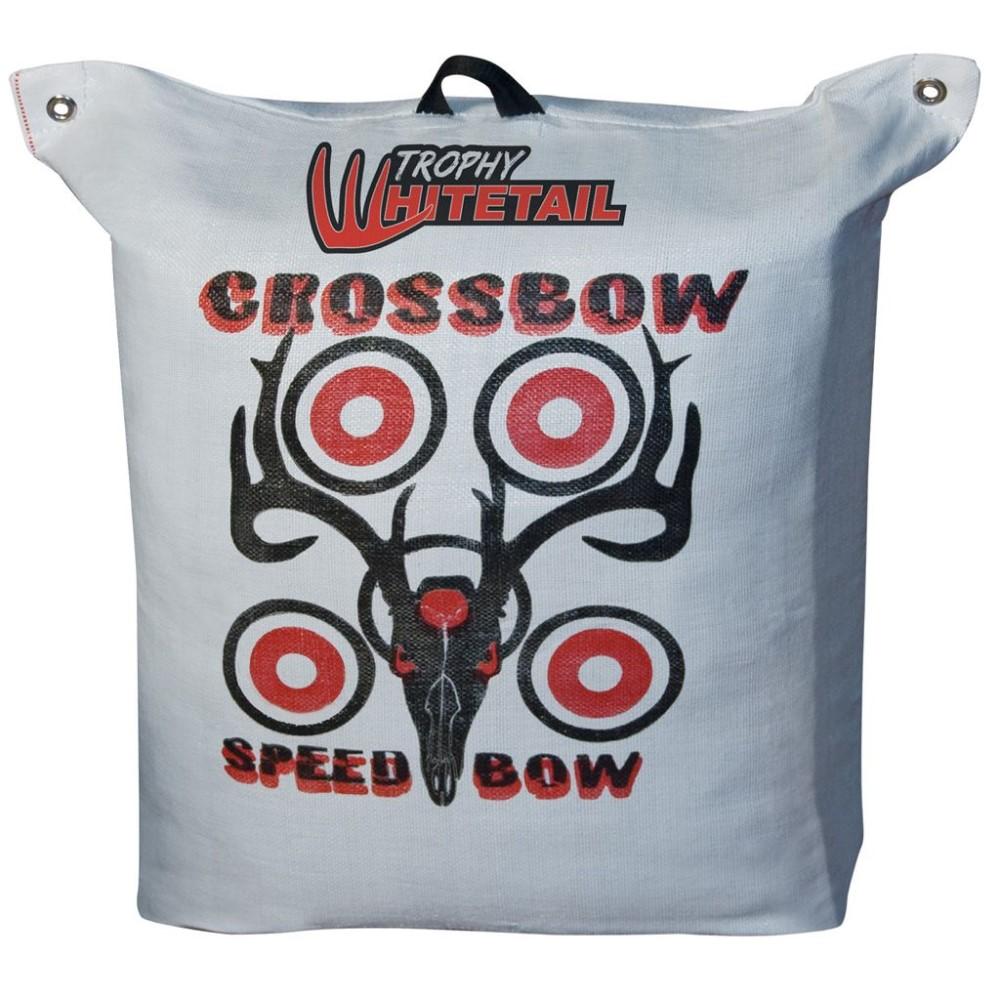
Big Shot Trophy Whitetail Target Bag
$34.03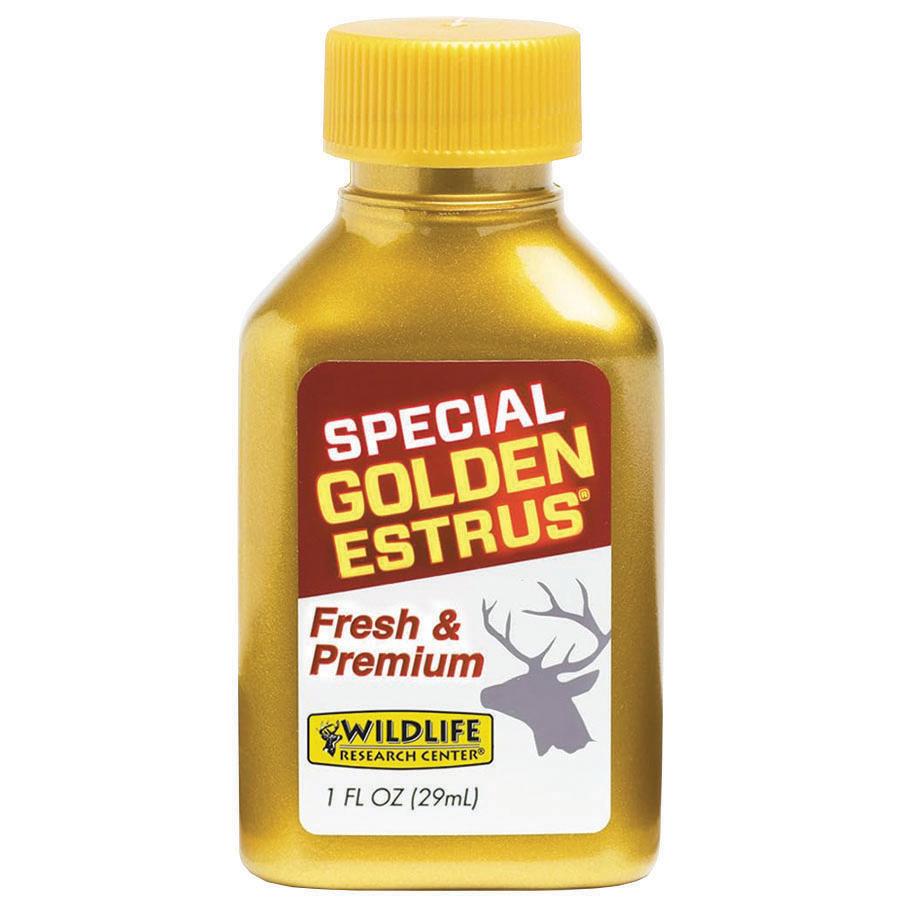
Wildlife Research Center
Wildlife Research Special Golden Estrus Fresh & Super Premium Whitetail Doe Urine with Estrus Secretions 1 FL OZ
$8.04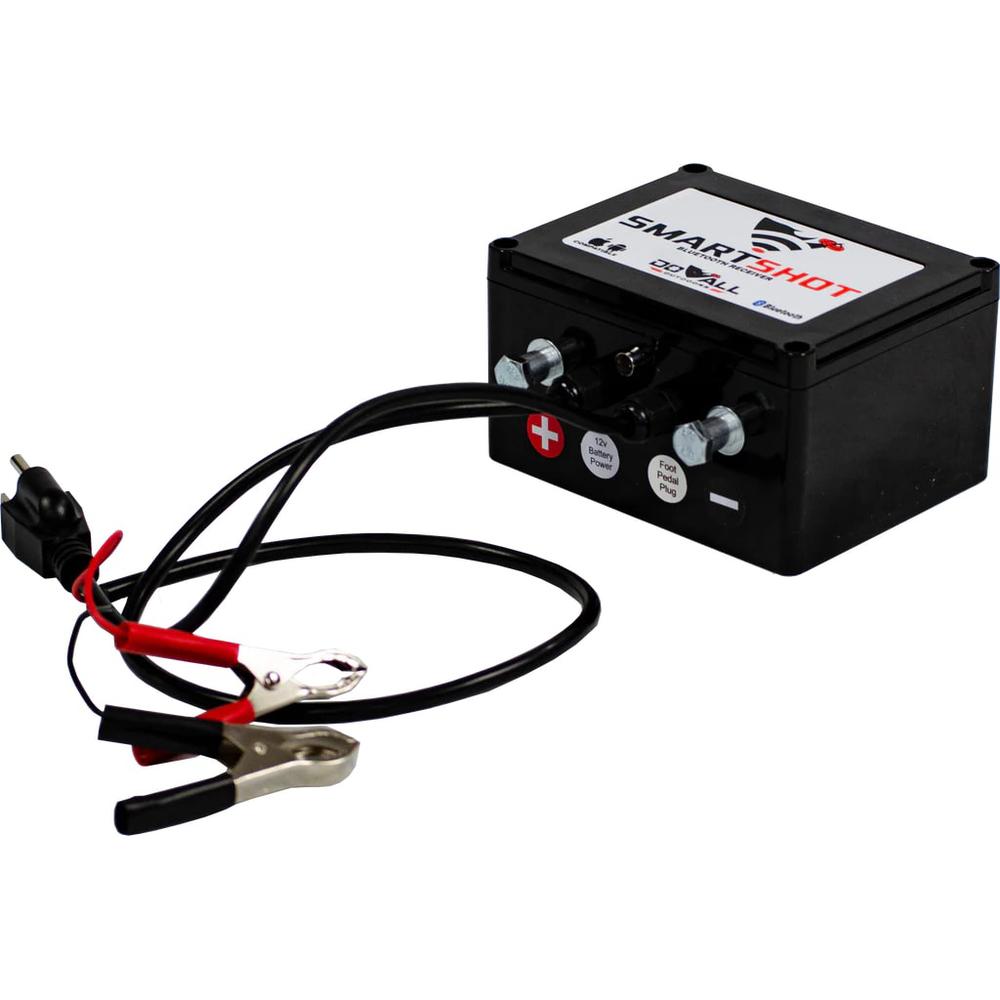
Do All OutdoorsLlc
Do All Outdoors Smart Shot Smartphone Interface with Bluetooth Control
$99.94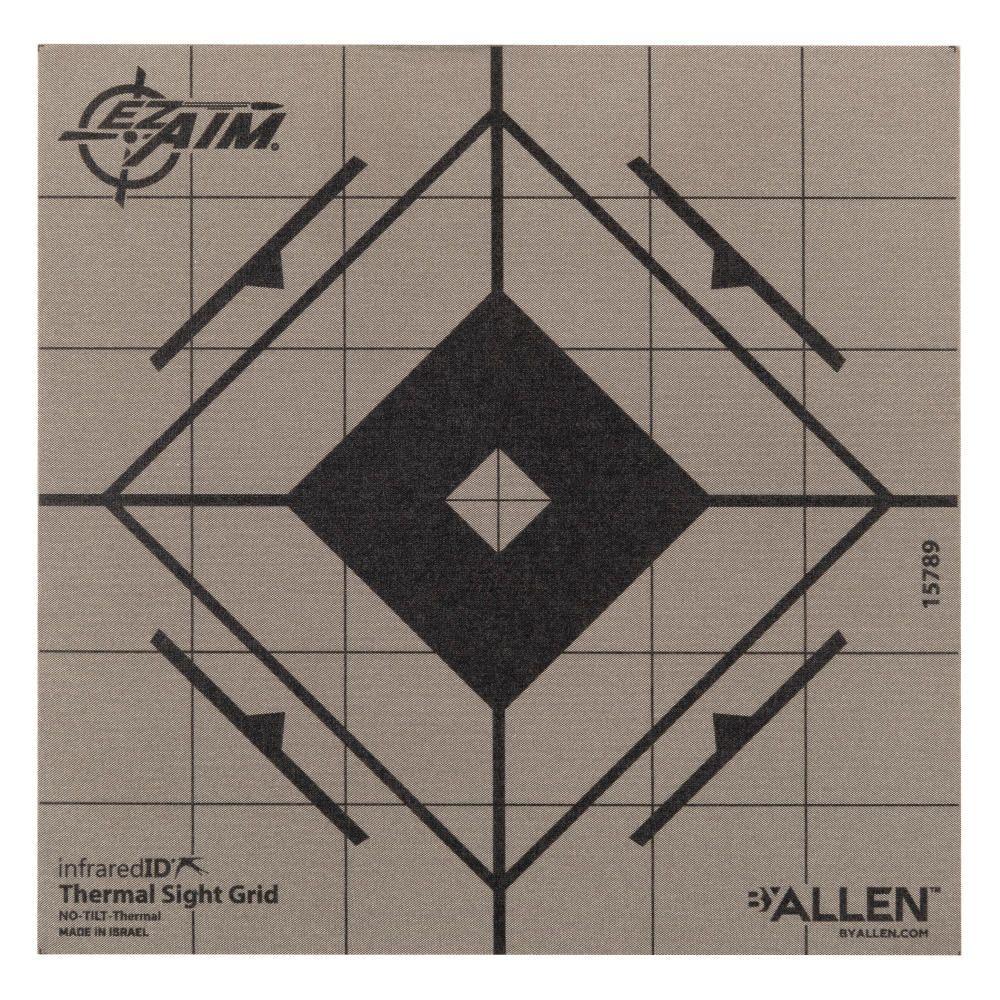
The Allen Company Inc.
Allen EZ Aim Adhesive Thermal Sight Grid Paper Target 6"
$15.28
Related articles
All articles →
deer rut
North Carolina's November Deer Rut: When It Peaks and How to Hunt It
Rut tactics matter more than a date on the calendar. Learn how to hunt doe travel, funnels, fresh sign, and midday movement as North Carolina bucks search, chase, and breed.

deer hunting
How to Field Dress a Deer: A Step-by-Step Guide for North Carolina Hunters
A practical, step-by-step guide to preparing your work area, handling a harvested deer carefully, making controlled cuts, and following North Carolina harvest-reporting requirements.

deer hunting
Hunting Pressured Deer After Opening Weekend: Tactics for North Carolina's Second Week
Opening weekend changes the woods, but it does not end your chances. Learn how to read pressure, adjust your setup, and hunt North Carolina's second week with a patient plan.