
Reloading Supplies for Beginners: 7 Mistakes You're Making with Reloading Equipment (and How to Fix Them)

Reloading Supplies for Beginners: 7 Mistakes You're Making with Reloading Equipment (and How to Fix Them)
Meta Title: Reloading Supplies for Beginners: Simple Gear and Safety Tips
Meta Description: Learn the best reloading supplies for beginners, avoid common setup mistakes, and build safer, more consistent hunting-season ammo.
Reloading Supplies for Beginners: Start Simple
If you’re shopping for reloading supplies for beginners, resist the urge to buy half the catalog before you load your first round. You do not need a bench that looks like a commercial ammo line. You need a safe, practical setup that helps you learn the process without adding confusion.
Start with one cartridge and stay with it until the workflow makes sense. That single choice shapes almost every tool you buy, from dies and shellholders to case prep tools and measuring gear. A simple beginner setup often includes a single-stage press, cartridge-specific dies, a current reloading manual, a reliable scale, calipers, a loading block, a primer tool, and a basic way to clean brass.
If you’re loading bottleneck rifle cartridges for hunting season, add case lube, a trimmer, and a deburring tool. Those items do not look exciting in a shopping cart, but they do real work on the bench. Good reloading supplies for beginners are not flashy. They are dependable, repeatable, and easy to use correctly.
If you’re building a starter bench in Rocky Mount, NC, Iron Valor Armory gives you a practical place to start comparing reloading supplies without losing sight of safety, fit, and cartridge-specific needs.
Reloading Equipment for Beginners: What You Actually Need First
A lot of new reloaders make the same mistake right out of the gate: they buy equipment before they choose the cartridge they plan to load. That sounds small, but it creates a mess fast. Dies are cartridge-specific. Shellholders must match. Brass prep needs vary. Even your measuring routine can change depending on what you load.
Look, your first goal is not speed. Your first goal is control. That is why a single-stage press remains one of the smartest first purchases for beginners. It slows the process down in a useful way, gives you a clear look at each step, and makes it easier to catch errors before they turn into bad ammo.
When you’re ready to compare tool categories, it helps to shop with a purpose. If you need the core machine first, review available reloading presses. If you already know your cartridge, move next to reloading dies. If you’re rounding out the bench with the smaller but necessary items, check reloading accessories.
That order keeps you from buying parts that do not support the same workflow. It also keeps you from ending up with a pile of gear that looked useful online but does not fit your actual cartridge or hunting-season goals.
Reloading Supplies for Beginners: Choose One Cartridge and Learn the Process
A beginner learns faster by repeating one safe process than by bouncing between multiple calibers. Pick the cartridge you shoot most, or the one you plan to use most during hunting season, and build around it. If you hunt with a .308-based rifle, center your buying choices there. If you shoot a popular handgun cartridge, build around that instead. Familiarity reduces mistakes.
This also helps you understand what each tool is doing. When you size, prime, charge, seat, and inspect the same type of case over and over, patterns become easier to spot. You’ll notice how brass feels when it resizes correctly. You’ll learn what normal primer seating pressure feels like. You’ll catch small changes sooner.
That kind of repetition matters because reloading is not just about producing ammunition. It is about producing consistent ammunition safely. Consistency comes from process, not guesswork. For beginner setups, simple beats complicated every time.
Reloading Supplies for Beginners: Why a Reloading Manual Matters More Than Another Gadget
Here’s the reality: the least exciting item on your bench might be the most important. A current reloading manual gives you published data, equipment guidance, dimensional references, and safety procedures from legitimate sources. That beats random forum chatter every day of the week.
Do not treat your manual like optional reading. Use it before you buy components, before you set dies, before you begin charging cases, and before you seat bullets. Published data exists for a reason. It helps reduce risk and gives you a tested framework for building safe ammunition with supported component combinations.
Just as important, avoid the temptation to chase “hot” loads or copy a load from a stranger online. Component differences matter. Brass can vary. Primers can vary. Bullets of the same weight can behave differently. Powder lots can vary. The safe path is simple: use current published data from reputable manufacturers and stay within it.
If you are new to the bench in Rocky Mount, this point matters even more. A local store can help you find the right category of tools, but safe assembly still depends on following published instructions and manufacturer guidance at home.
Beginner Reloading Equipment Guide: Presses, Dies, and Measuring Tools
Let’s break down the core tools in plain language.
A press provides the leverage that drives major steps like sizing and bullet seating. For beginners, a single-stage press offers the clearest learning curve. You handle one operation at a time, which makes it easier to inspect your work and stay organized.
Dies perform cartridge-specific tasks. Depending on the die set, that may include sizing, decapping, expanding, seating, or crimping. Because dies must match the cartridge, this is one of the first categories where sloppy buying creates problems. If you need to compare options, browse reloading dies with your exact cartridge in mind.
A scale helps verify powder charges. Calipers help confirm dimensions like case length and cartridge overall length. These tools are not optional decorations. They are part of your safety process. If you cannot measure it, you should not assume it is correct.
Accessories fill the gaps between major steps. Loading blocks, funnels, deburring tools, case lube, trimmers, hand priming tools, and case gauges all support consistency. These are the quiet tools that prevent noisy mistakes. For bench support items, check reloading accessories.
Reloading Supplies for Beginners: Components and Compatibility
Tools matter, but components deserve just as much attention. A beginner should understand that brass, primers, powder, and bullets are not mix-and-match parts in the casual sense. They must match the published data you are using.
Brass condition matters because damaged cases can create feeding, chambering, or pressure-related problems. Primers matter because ignition characteristics are part of the load system. Powders differ dramatically in burn behavior. Bullets differ in profile, bearing surface, and seating depth requirements. Even when two projectiles share the same weight, they may not share the same safe setup details.
That is why component selection should always come after you confirm the data source. For projectile options related to shooting sports applications, Iron Valor Armory also carries products such as Sierra MatchKing bullets. The key is not buying what looks impressive. The key is buying what aligns with legitimate published data for your cartridge.
Reloading Safety for Beginners: Use Published Data and Avoid Unsupported Claims
Strong safety habits matter more than any product list. If you remember one rule from this article, let it be this: do not improvise load data. Do not invent substitutions because they seem close enough. Do not assume a load is safe because someone posted it online or because a friend said it worked fine in a different firearm.
Safe reloading starts with current published data from reputable bullet and powder manufacturers. Follow the listed start points, component notes, and process instructions. Work slowly and inspect your work at each stage. If anything feels unclear, stop and verify before moving on.
This article does not include load recipes because safe load development depends on exact cartridge, bullet, powder, primer, brass, firearm, and manual data. Anything less specific than that invites bad decisions. A beginner guide should make you safer, not overconfident.
Reloading Supplies for Beginners: Powder Handling Safety
Powder errors can create serious consequences in a hurry. The safest beginner habit is also one of the simplest: keep only one powder container on the bench at a time. Leave the label visible. Keep the powder in the original container. Put away all other powders before you begin.
Check your scale often. Confirm your powder measure settings carefully. Inspect charged cases before seating bullets when your process allows for visual verification. If you lose track of the powder in a measure or hopper, stop. Do not guess. Empty it according to safe manufacturer guidance and start over with certainty.
This is one area where ego causes trouble. You do not get points for pushing through uncertainty. You get safe results by refusing to continue when something does not add up.
Reloading Supplies for Beginners: Brass Inspection and Case Preparation
Brass prep sounds boring until you skip it and create a problem. Inspect every case before you load it. Look for splits, cracks, dents, corrosion, damaged rims, and loose primer pockets. If a case looks questionable, remove it from the batch. Saving one case is never worth risking your firearm or your eyes.
Case length matters too, especially with rifle brass. Cases can grow during repeated firing and sizing cycles. When your manual indicates that trimming is necessary, trim to the proper specification and deburr according to your tool instructions. Do not trim casually and do not skip measurement.
Clean brass also helps you work more accurately. Dirt and residue can make inspection harder and can increase wear on equipment. Clean brass is not about perfection. It is about visibility, function, and process control.
Reloading Equipment for Beginners: Primer Seating and Die Setup
Primer seating and die setup deserve patience. They look simple, which is exactly why beginners rush them. A primer seated incorrectly can cause reliability issues and safety concerns. A die adjusted poorly can produce rounds with inconsistent dimensions or chambering problems.
Seat primers with steady, controlled pressure and pay attention to feel. If something binds, crushes, or feels off, stop and inspect the case and tool. For die setup, read the manufacturer instructions and adjust one die at a time. Verify your results with measuring tools rather than assumptions.
This is not the time for “close enough.” Close enough is how small mistakes stack into larger ones. Precision at the bench starts with taking simple steps seriously.
Reloading Supplies for Beginners: Keep Your Bench Organized and Document Everything
A cluttered bench creates avoidable mistakes. You can grab the wrong bullet, confuse primer types, lose track of which cases are charged, or forget a setting change. None of that is theoretical. It happens when the bench stops being a controlled workspace.
Keep only the components for one load on the bench at a time. Return unused items to their original containers when you finish. Make sure the bench is well lit. Reduce distractions. If you feel rushed, tired, or mentally split between tasks, stop for the day. Reloading rewards attention and punishes shortcuts.
A load log matters just as much. Record the cartridge, bullet, primer, powder, brass, overall length, date, and performance notes. If you find a combination that delivers dependable hunting-season accuracy, those notes become the map that helps you repeat success. Without a record, you are relying on memory, and memory is a terrible reloading tool.
Reloading Supplies for Beginners in Rocky Mount, NC
If you are looking for reloading supplies for beginners in Rocky Mount, NC, Iron Valor Armory serves as a practical local center for firearm owners, hunters, and shooting sports customers who want to build a safer, more organized bench. Whether you are setting up your first press, replacing worn dies, or adding bench tools before hunting season, the goal stays the same: buy the right gear for your cartridge, use published data, and keep safety ahead of speed.
If you need to shop by task instead of guessing your way through categories, keep it simple. Start with reloading supplies for the broad view, review reloading presses for the core machine, check reloading dies for cartridge-specific tooling, and browse reloading accessories for the smaller bench items that improve safety and consistency.
Best Reloading Supplies for Beginners: A Practical Buying Plan
If you want a clean beginner buying plan, use this order:
- Pick one cartridge.
- Buy a current manual with published data for that cartridge.
- Choose a single-stage press.
- Buy the correct dies and shellholder.
- Add a scale and calipers.
- Add a primer tool, loading block, funnel, and brass prep tools as needed.
- Buy only components supported by published data.
- Set up a clean, well-lit bench and a load log before you begin.
That plan is not flashy, but it works. It keeps you from overspending, reduces confusion, and builds the kind of bench discipline that pays off later when you add more tools or load more cartridges.
Local Reloading Supplies Service Area Near Rocky Mount, NC
Iron Valor Armory serves Rocky Mount, NC as the primary local center for reloading supplies and beginner reloading equipment guidance, while also supporting customers in Wilson, Tarboro, Greenville, Roanoke Rapids, Henderson, Goldsboro, Elm City, Sharpsburg, Bailey, Middlesex, Wake Forest, Clayton, Smithfield, Kinston, Knightdale, Rolesville, and Youngsville. If you are shopping from anywhere in that service area, the smartest move is the same: choose cartridge-specific equipment carefully, stick to published data, and build your bench around safe, repeatable habits.
Final Thoughts on Reloading Supplies for Beginners
The best reloading supplies for beginners do not create the biggest pile of gear. They create a dependable system you can use safely and repeat confidently. Start with the basics. Focus on one cartridge. Follow published data. Inspect brass carefully. Measure everything that matters. Keep your bench organized and your records clear.
That said, reloading is not a race and it is not a shortcut. Done correctly, it is a careful, disciplined skill. Build that skill with patience, and your equipment will serve you well.
Published by Iron Valor Armory · Rocky Mount, NC 27803
Shop ammunition →Shop ammunition in stock
Hornady Reloading
Hornady Reloading Lock-N-Load AP Case Retainer Spring 3/ct
$9.19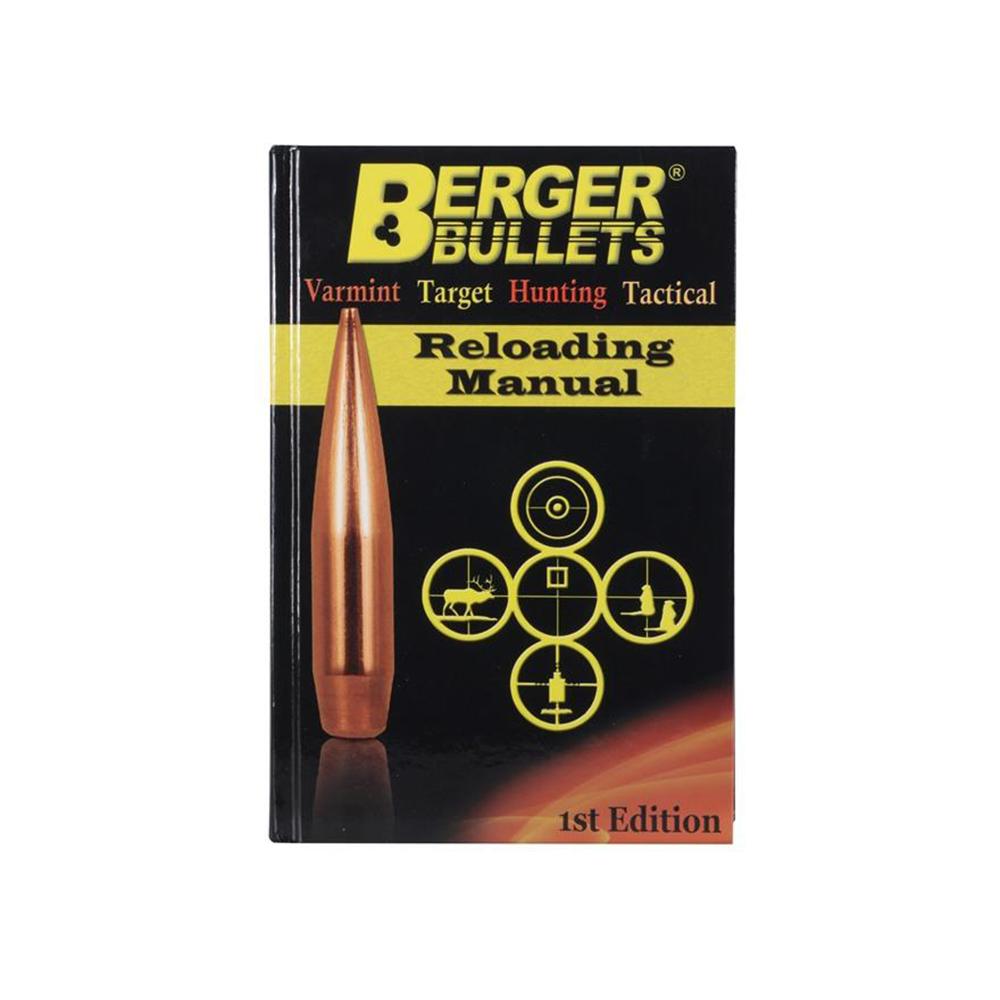
Berger Bullets
Berger Bullets Reloading Manual - 1st Edition
$26.55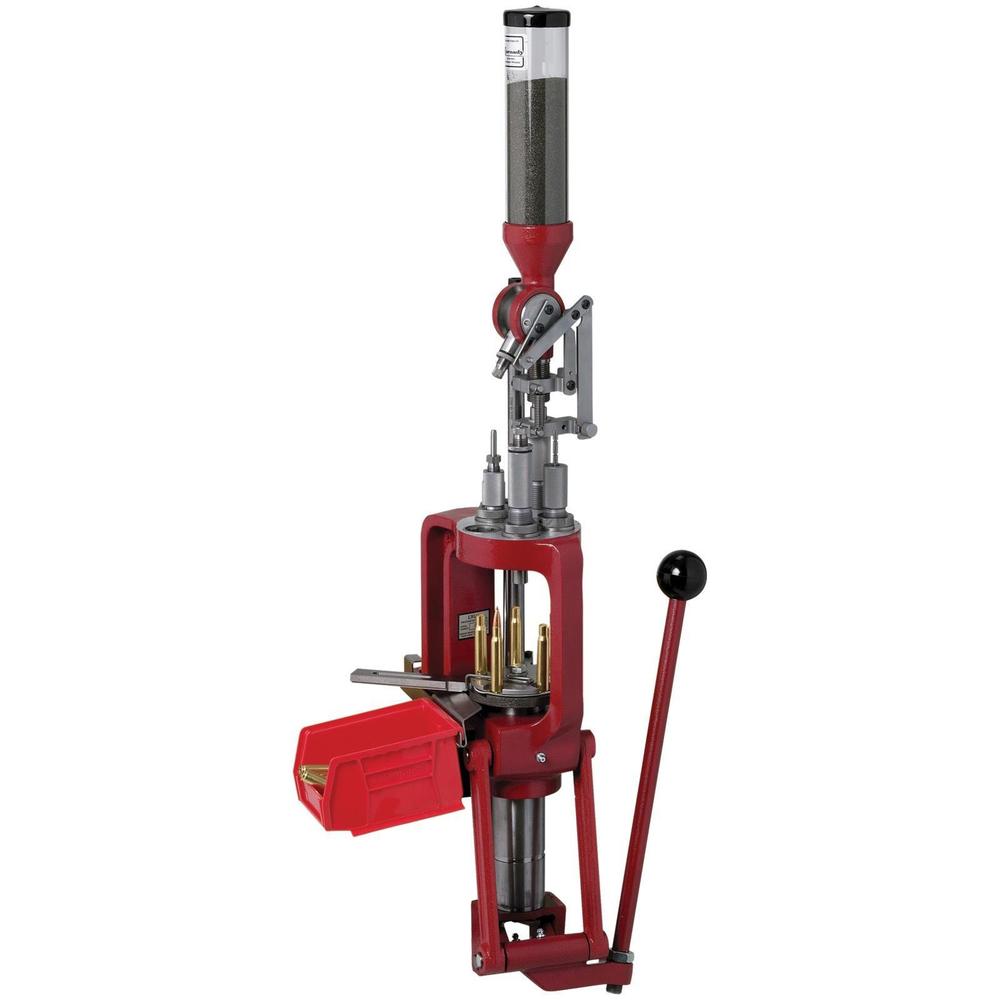
Hornady Reloading
Hornady Lock-N-Load AP Reloading Press with EZject System - No Shell Plate
$620.99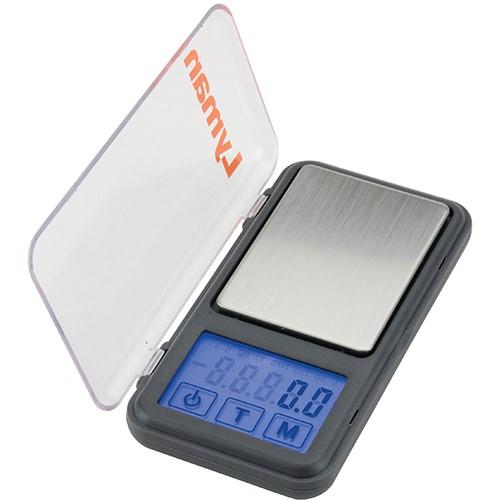
Lyman
Lyman Pocket Touch 1500 Electronic Reloading Scale Kit
$28.74
Related articles
All articles →
shooting sticks
Shooting Sticks vs. Bipods: Which Is Better for Your Hunt?
Shooting sticks and bipods both improve shooting stability, but they serve different hunting styles. Compare their strengths and choose the support that fits your terrain, rifle, and season.

deer hunting calibers
Best Deer Hunting Calibers for North Carolina Whitetail: An Honest Comparison
North Carolina gives deer hunters plenty of legal rifle options, but legal and suitable are not the same thing. Compare popular cartridges by recoil, shooting conditions, accuracy, and ammunition availability before opening day.

aging deer on the hoof
How to Age a Buck on the Hoof: Reading a Whitetail Buck's Body Before You Decide to Shoot
Antler size tells you less than you think. Learn how a buck's neck, body depth, back line, legs and head change with age, and how to use those clues before you decide to shoot.