Red Dot vs LPVO on a Deer Brush Gun: Which Optic Wins in NC Woods

October 12, 2026: Deer season is underway in Eastern North Carolina. Archery opened back in September, the blackpowder window is running now, and the Northeastern Zone gun opener lands on October 17. Plenty of hunters are already sitting timber and swamp edges, which is exactly where this question comes up. Always confirm current North Carolina Wildlife Resources Commission rules, county dates, and game-land restrictions for the exact place and season you plan to hunt.
Once the season and firearm line up, the optic question comes down to your woods. In thick timber, creek bottoms, and swamp edges, plenty of opportunities happen inside 100 yards. A red dot favors a fast, uncomplicated sight picture. A low-power variable optic (LPVO) gives you that 1x setting plus magnification when the lane opens up.
Neither one wins every hunt. The right choice fits the distances you actually see, helps you identify the animal and what lies beyond it, and feels natural when you mount the rifle under pressure. Here's how to choose between them.
Red dot and LPVO: what you're comparing
What a red dot does
A red dot projects an illuminated aiming point onto a lens. You look through the optic, keep both eyes open if that works for you, and place the dot where you want the bullet to go. It offers no magnification, so you see the target at its natural size through the window.
The dot's big advantage is a forgiving sight picture. You don't have to line up a front and rear sight, and you don't need to center your eye perfectly behind the optic. That makes a red dot easy to use at close range, especially after you practice shouldering the rifle and finding the dot without hunting for it.
"True 1x" can describe a red dot because the sight doesn't magnify the scene. A red dot also doesn't have an eye-relief distance the way a magnified scope does. You still need a clear view through the optic window, and its size and mounting position can affect how easily you find that view.
What a 1-4x or 1-6x LPVO does
An LPVO is a riflescope with a low-power setting near 1x and a magnification range that commonly ends at 4x or 6x. At the low setting, a well-designed optic can offer a near-natural view. Turn the magnification ring and the image grows, which can help you examine a deer or aiming area at a longer distance.
Many LPVOs use an etched reticle: a pattern physically marked in the glass. Illumination adds light to part or all of that reticle, but the etched pattern can remain visible when the battery runs out or you turn the light off. That gives an LPVO an aiming reference that doesn't rely on a glowing dot alone.
Some models offer daylight-bright illumination, but don't assume every illuminated reticle will stand out equally in direct sun. Look through the specific optic in the conditions you expect to hunt. At 1x, an LPVO still needs a consistent cheek weld and eye position; its eye box can feel less forgiving than a red dot's open sight picture.

Close-range speed: the red dot's strongest case
In thick cover, speed often means presenting the rifle, finding the aiming reference, and deciding whether you have a safe, ethical shot. All without getting tangled up in magnification or a narrow field of view. A red dot keeps that sequence simple. Its broad sight window and lack of magnification make it easier for many hunters to acquire a close target quickly.
An LPVO can work well at 1x, but it's not automatically as fast. A poor cheek weld or a slightly off-center head position can darken the view or make the image harder to pick up. If you leave it on higher power, the narrower field of view can also make it harder to locate a deer that appears suddenly at close range.
That said, a red dot doesn't turn an unpracticed rifle into a fast one. Practice bringing the rifle to your shoulder, seeing the aiming point, and keeping awareness of the whole scene. A moving deer can create a hurried decision. You don't have to take a shot just because the sight lets you get on target quickly; wait for a safe, clear opportunity within your ability.
Magnification's advantage, and its limits
An LPVO earns its place when the hunt includes a mix of tight timber and more open lanes. On 4x or 6x, magnification can help you inspect details and make a careful aiming decision at a distance where a red dot offers no extra visual help. It can also help you use the same rifle in more than one kind of cover.
But magnification does not let you see through brush. Twigs, leaves, and intervening branches still block or distort the view, and a closer look at a shape doesn't automatically make it a safe target. Magnification can also narrow your field of view and make a moving animal harder to track.
"Just in case" can tempt hunters into buying more magnification than their hunting actually calls for. Think about your usual lanes and the longest distance at which you can identify the target, see the background, and make a shot you're confident in. If your real opportunities rarely stretch beyond short woods distances, an optic's top-end power may add weight and complexity without solving a problem you often face.

Target identification and ethical decisions come first
An optic helps you aim; it does not make a shot safe by itself. Before you take one, positively identify the animal, confirm that the animal is legal to harvest, make sure you can see the intended aiming area, and consider what lies beyond it. If brush, darkness, glare, or an obstructed view keeps you from making those checks, let the animal go.
An LPVO's magnification may help you inspect a target at a distance, but it can also make you focus narrowly on the reticle and the animal instead of the background. A red dot encourages a broad, both-eyes-open view for many users, but it provides no magnification to help resolve details. Neither design replaces good judgment, a safe backstop, or a decision to pass.
Low light: a bright aiming point isn't a clear picture
Think about the last 15 minutes of legal shooting light in a creek bottom. The canopy can make the surroundings darker than an open field, and a deer may blend into shadow. In that setting, the optic needs to show you a usable image, not merely a bright reticle.
A red dot's illumination can help you keep track of the aiming point as light fades. Set it only as bright as you need: an overly bright dot can bloom and cover details. An LPVO's glass quality, image brightness, contrast, and exit pupil all affect what you can see. A crisp etched reticle also gives you an aiming reference if the illumination looks too bright or the battery quits.
A bright dot is not a clear image. If you can't confidently identify the animal and see the shot area, illumination won't fix that. Never use an optic to stretch legal shooting time; follow current rules on hunting hours, and stop when conditions prevent a responsible decision.
Red dots, green dots, and aging eyes
Eye conditions can change how an illuminated dot appears. Some hunters with astigmatism see a projected dot as a starburst, smear, comma, or cluster rather than a neat point. Brightness can make the effect more noticeable. If that happens to you, try viewing the dot at a lower setting and look through the actual optic before you buy.
Some people find a green dot easier to see; others prefer red. Your eyes, light conditions, and the optic's brightness range decide more than the color label. An LPVO with an etched reticle gives you a non-projected aiming reference, which makes it worth trying if a red dot never looks sharp to you. Magnification can also help some hunters inspect detail, though it won't correct every vision issue or replace an eye exam.
Weight, durability, batteries, and everyday handling
A red dot usually keeps the setup compact and simple. It relies on a battery for its illuminated point, so carry a spare if the design uses a replaceable battery and learn how to check the sight before the hunt. A dead battery can mean losing the aiming reference, depending on the optic's design.
An LPVO adds glass, a magnification ring, and typically more weight than a simple red dot. Its etched reticle can remain usable without illumination, but the scope still needs sound construction, secure mounting, and clear lenses. Either optic can take a bump in a truck or a wet walk through cover; neither should get a free pass from inspection. Check for fogging, lens damage, loose hardware, and changes to the sight picture before you rely on it.
For either setup, protect the lenses when practical, keep controls familiar, and test the optic after any hard impact. A cover that takes too long to open or a magnification ring you can't reach comfortably may look fine on a workbench and feel different when a deer steps out.
Match the optic to the rifle and the hunter
Lever guns and short woods rifles
A red dot pairs naturally with a handy rifle carried through dense cover, including many lever guns and short woods rifles. It keeps the sight picture straightforward and doesn't demand the same eye placement as a magnified optic. An LPVO can still work if you want flexibility, but consider how its weight, mounting height, and eye relief affect the rifle's balance and your cheek weld.
Bolt guns and AR-15-platform rifles
A bolt gun used across mixed timber and openings can benefit from a 1-4x or 1-6x LPVO if you value the ability to inspect a more distant target. An AR-15-platform rifle can also accept either type, depending on the lawful configuration, your hunting conditions, and personal preference. Choose based on how the rifle handles and how you hunt, not on the platform's reputation or what looks more versatile in a photo.

Clear recommendations for four kinds of hunters
- Dedicated thick-cover swamp hunter: Choose a durable red dot if your realistic shots stay close and you can identify deer confidently without magnification. If astigmatism makes the dot hard to see, try an etched-reticle alternative before you settle on a setup.
- Mixed farm-and-timber hunter: Consider a 1-6x LPVO. Leave it at 1x when close opportunities seem likely, and use higher magnification only when you have time, a clear view, and a safe target.
- Hunter who also shoots hogs or varmints: An LPVO can offer useful flexibility across different settings and distances. Choose a magnification range and reticle you can use quickly, then practice at the settings you expect to use, not just at the highest power.
- Aging-eyes or newer hunter: Don't assume a magnified optic automatically makes shooting easier. Compare a red dot, its color and brightness settings, and an LPVO's etched reticle in person. Pick the sight picture you can acquire consistently and use responsibly.
Make the choice on your rifle, not in a catalog
Before you decide, handle the rifle with the optic mounted, if possible. Check the eye position, cheek weld, field of view, controls, balance, and how quickly you can find the aiming point. Then practice from realistic hunting positions, at the distances and magnification settings you actually expect to use.
Get the optic installed securely and zeroed well before the hunt. Confirm that the rifle and optic hold zero after transport and practice, and verify your point of impact at the distances that matter to your setup. Mounting and sight-in work deserve care; if you're uncertain about fit, torque, or the zeroing process, ask a qualified professional for help. You can explore the current Iron Valor Armory shop and read more in the hunting and gear blog.
Iron Valor Armory serves hunters in Rocky Mount, NC, and surrounding communities with firearms, optics, and technical accessories for responsible hunting and shooting sports.
For a dedicated brush gun and close-range cover, the red dot is the simpler, faster tool for many hunters. For a rifle that must cover thick woods and longer, clearer lanes, a 1-4x or 1-6x LPVO offers more flexibility. Choose the optic that fits your eyes, your real hunting distances, and your ability to make a safe, ethical decision, then practice until it feels familiar.
Published by Iron Valor Armory · Rocky Mount, NC 27803
Shop optics & sights →Shop optics & sights in stock
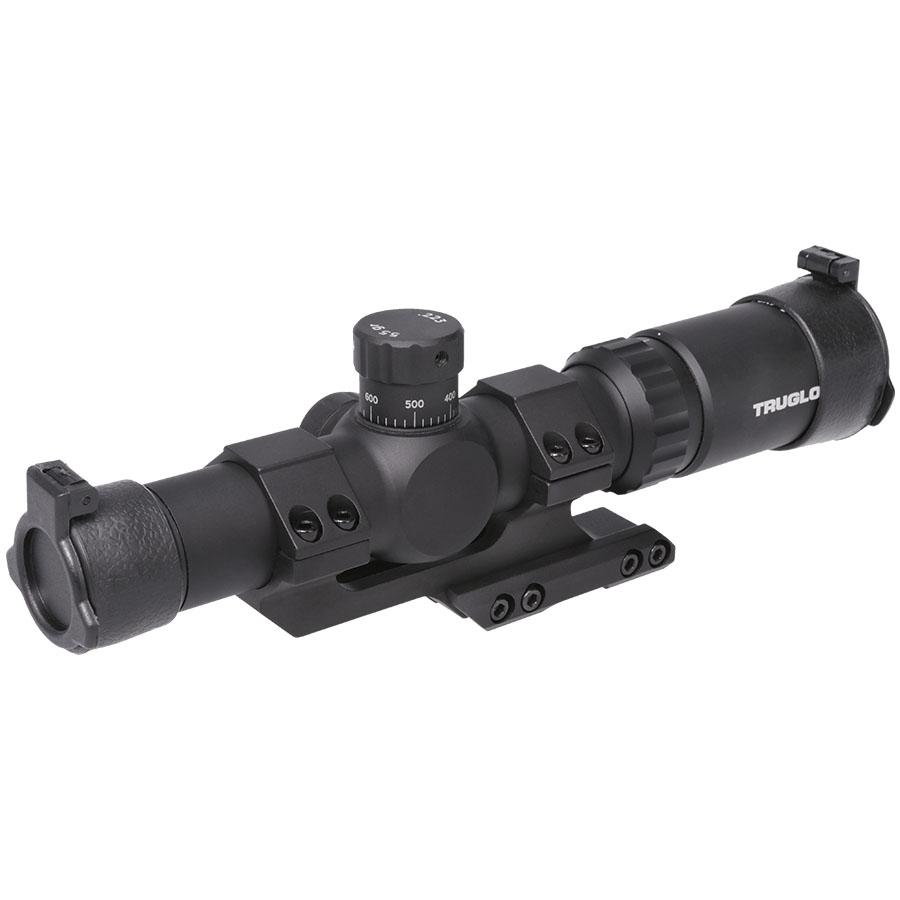
TRUGLO
Truglo Tru-Brite 30 SeriesTactical Rifle Scope 1-6x24mm 30mm SFP IR Power Ring Duplex Mil-Dot Illum Black
$149.99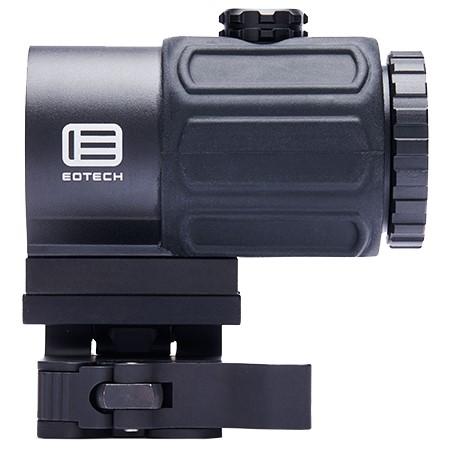
Eotech
EOTech Magnifier G43 Micro 3 Power Magnifier with QD Switch to Side (STS) Mount
$669.00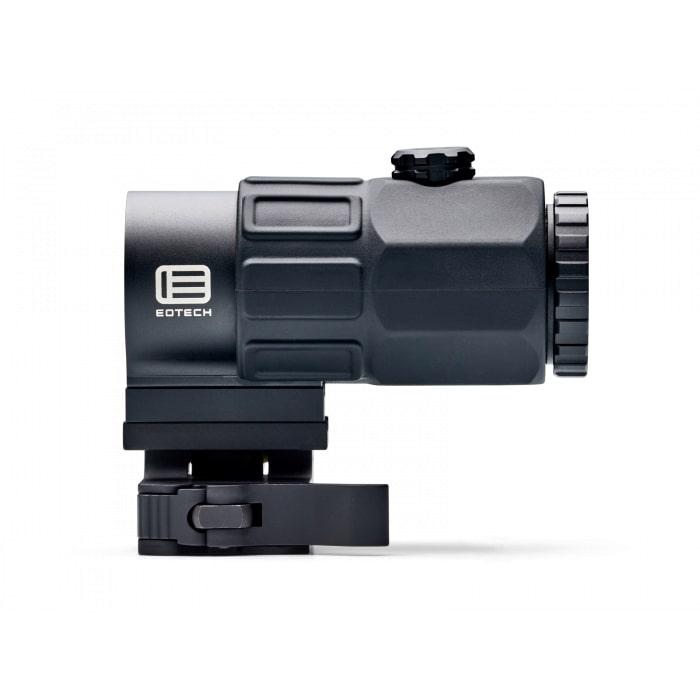
Eotech
EOTech Magnifier G45 5 Power Magnifier with QD Switch to Side Mount Black
$715.00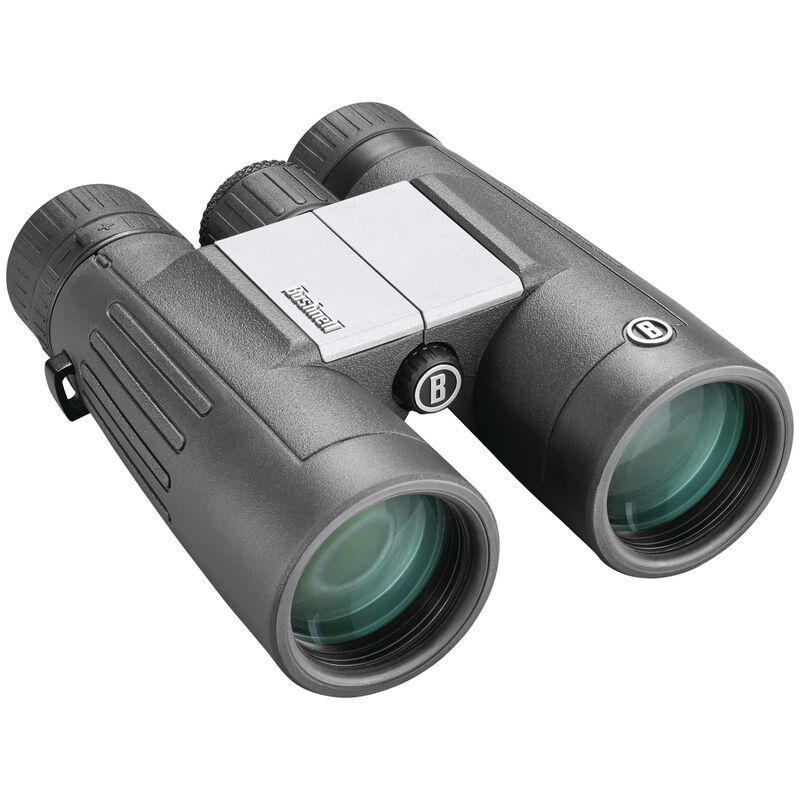
Bushnell
Bushnell Powerview 2 10x42mm Binoculars Black
$67.61
Related articles
All articles →
deer rut
North Carolina's November Deer Rut: When It Peaks and How to Hunt It
Rut tactics matter more than a date on the calendar. Learn how to hunt doe travel, funnels, fresh sign, and midday movement as North Carolina bucks search, chase, and breed.

deer hunting calibers
Best Deer Hunting Calibers for North Carolina Whitetail: An Honest Comparison
North Carolina gives deer hunters plenty of legal rifle options, but legal and suitable are not the same thing. Compare popular cartridges by recoil, shooting conditions, accuracy, and ammunition availability before opening day.

North Carolina deer hunting
After the Shot: Blood Trailing and Deer Recovery Gear for North Carolina Hunters
Rocky Mount’s October 17, 2026 gun opener is close. Here is how to read impact sign, wait correctly, preserve a blood trail, use a legal tracking dog, and build a dependable deer recovery kit.